
Destination
Bumthang
Four valleys and the oldest temples in Bhutan
- 2,600 m
- Mar–May, Sep–Nov
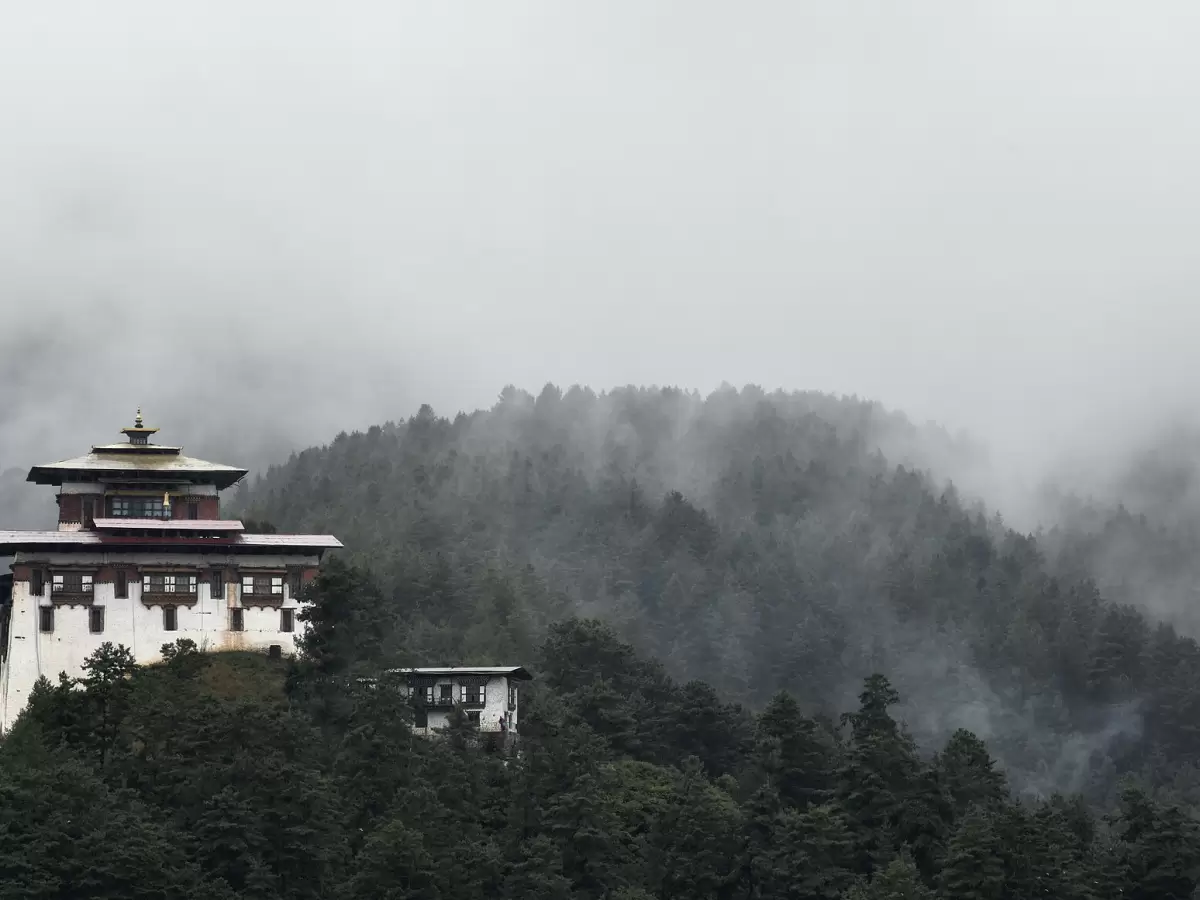
The valley
About Bumthang
Bumthang is the name for four valleys in central Bhutan: Chokhor, where the town of Jakar lies, and Tang, Ura and Chumey around it. Bhutanese think of it as the religious heart of the country. Guru Rinpoche is said to have come here in the 8th century, and Pema Lingpa, the treasure-finder from whom the royal family descends, was born in Tang.
The temples are close together and easy to walk between. Jambay Lhakhang dates from the 7th century. Kurjey Lhakhang is built around a rock that holds the imprint of Guru Rinpoche’s body. Tamshing, across the river, was founded by Pema Lingpa himself in 1501 and still has its original wall paintings.
Bumthang is also good country for doing less. The valleys are broad and gentle, with buckwheat fields, apple orchards and a local taste for cheese, honey and beer. Two nights is the minimum, and three lets you spend a day in Tang or Ura.
See and do
What to see
-
Jambay Lhakhang
One of the oldest temples in Bhutan, from the 7th century. Its festival in late autumn is known for a fire blessing held at night.
-
Kurjey Lhakhang
Three temples side by side, the oldest sheltering the rock where Guru Rinpoche left the mark of his body.
-
Tamshing Lhakhang
Founded in 1501 by Pema Lingpa. Pilgrims walk three times around the inner shrine wearing a coat of chain mail he is said to have made.
-
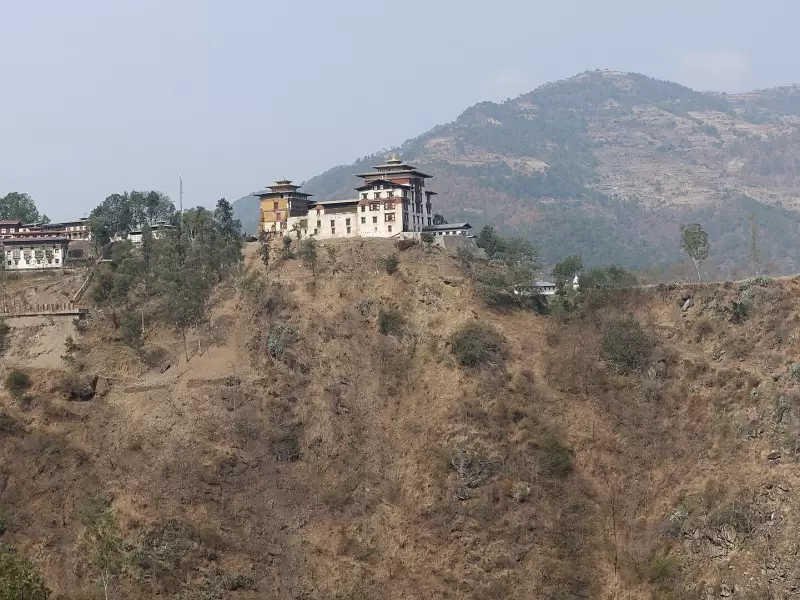
Jakar Dzong
The fortress above the town, its name meaning the castle of the white bird.
-
Mebar Tsho, the Burning Lake
A pool in a gorge of the Tang river where Pema Lingpa is said to have found hidden treasures, holding a lamp that stayed alight under water.
-
Tang valley and Ogyen Choling
A manor house turned museum at the head of a side valley, showing how a noble household lived.
-
Ura
The highest of the four valleys, with a close-packed village and a spring festival, the Ura Yakchoe.
Go there
Trips that visit Bumthang
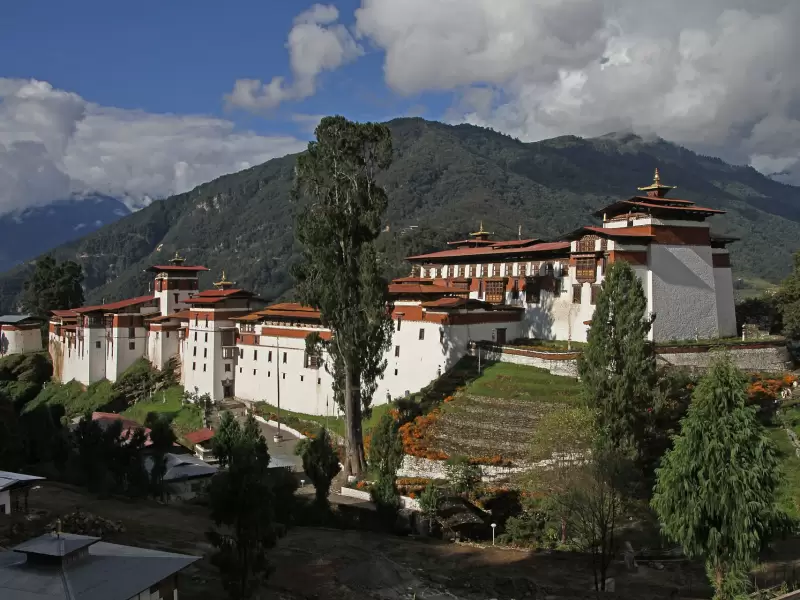
Cultural tour
Heart of the Himalayas
Punakha, Phobjikha, Trongsa and 1 more
Nine days from Paro to Bumthang by road, through Punakha, Phobjikha and Trongsa, with a short flight back.
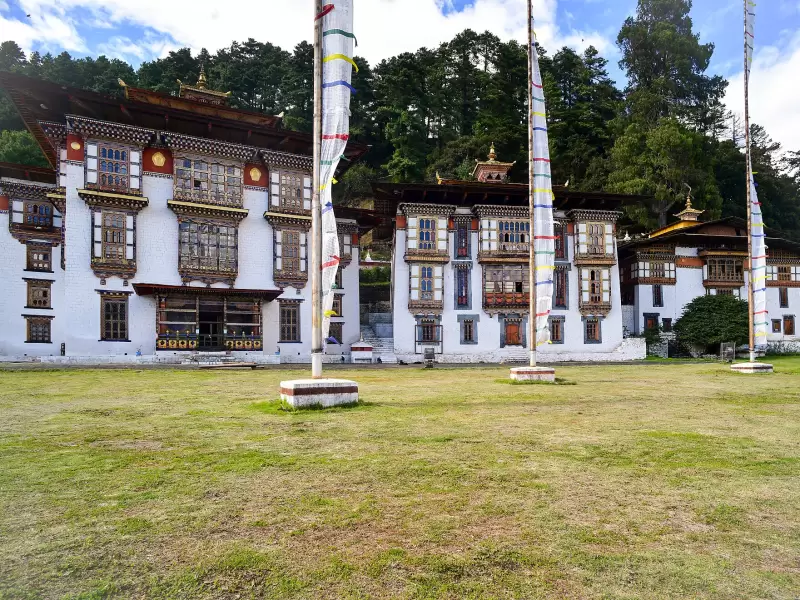
Cultural tour
Bhutan Grand Cultural Tour
Bumthang, Trongsa, Phobjikha and 1 more
Ten days from Paro to Bumthang, with three nights in central Bhutan and a day in the Tang valley.
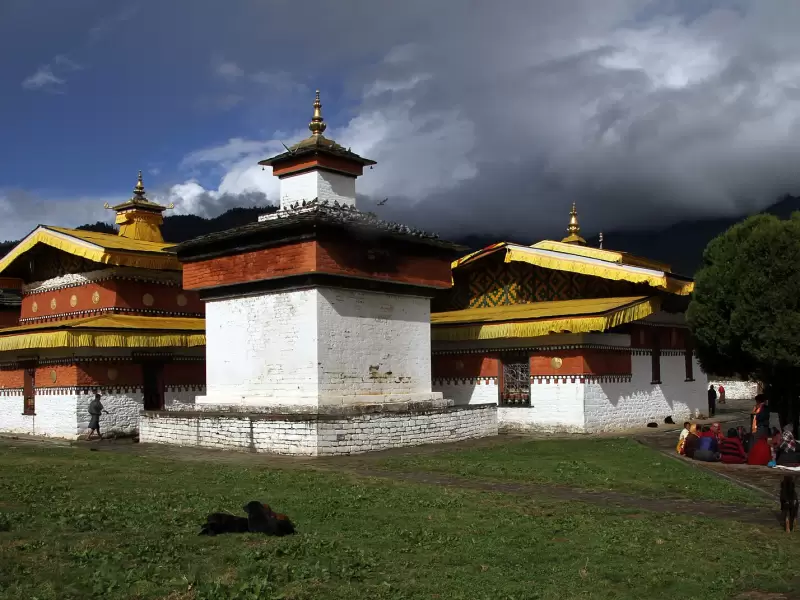
Festival tour
Jambay Lhakhang Drup Festival Tour
Bumthang, Trongsa, Phobjikha and 1 more
Ten days to central Bhutan for the late-autumn festival at Jambay Lhakhang, known for its fire blessing and midnight dance.
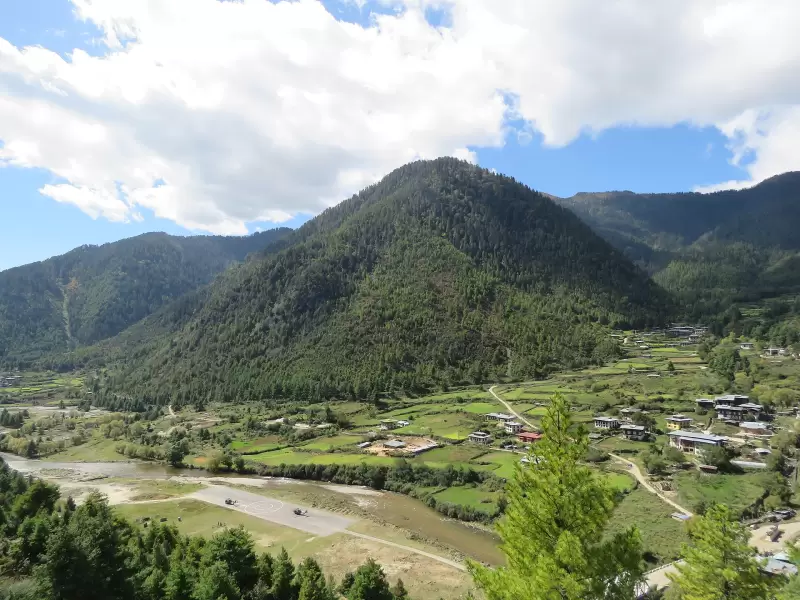
Cultural tour
Kingdom in Full
Haa, Bumthang, Trongsa and 2 more
Eleven days and seven valleys, from Haa in the far west to Bumthang in the centre, with every major dzong on the way.
Cultural tour
Bhutan from East to West
Trashigang and the east, Bumthang, Trongsa and 1 more
Seventeen days across the whole country, out to Trashigang and the weaving villages of the east and back to Paro.
Festivals
Festivals in Bumthang
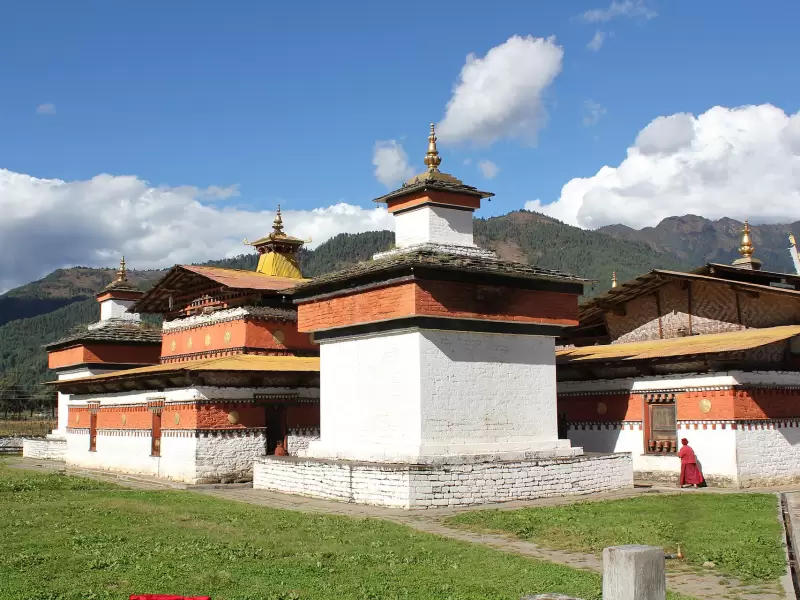
Jambay Lhakhang Drup
A fire blessing and a midnight dance at a 7th-century temple
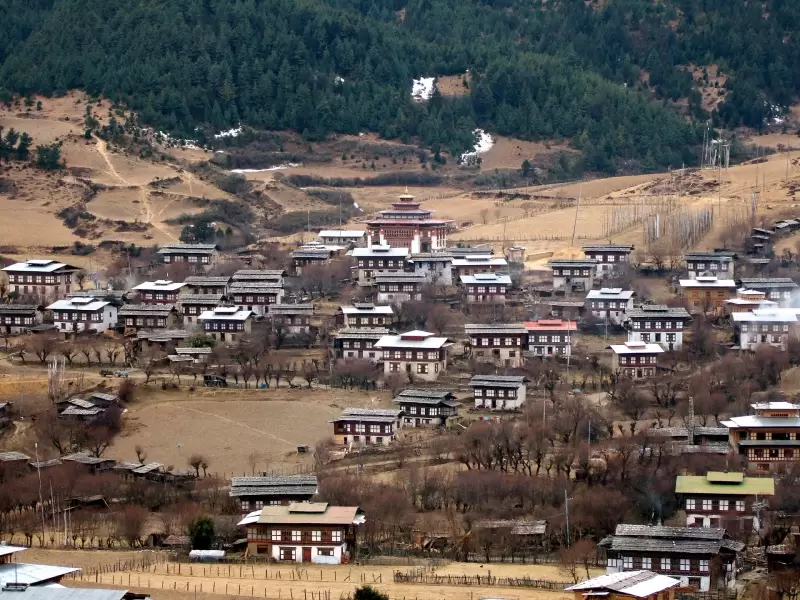
Ura Yakchoe
A village festival in the highest valley of Bumthang
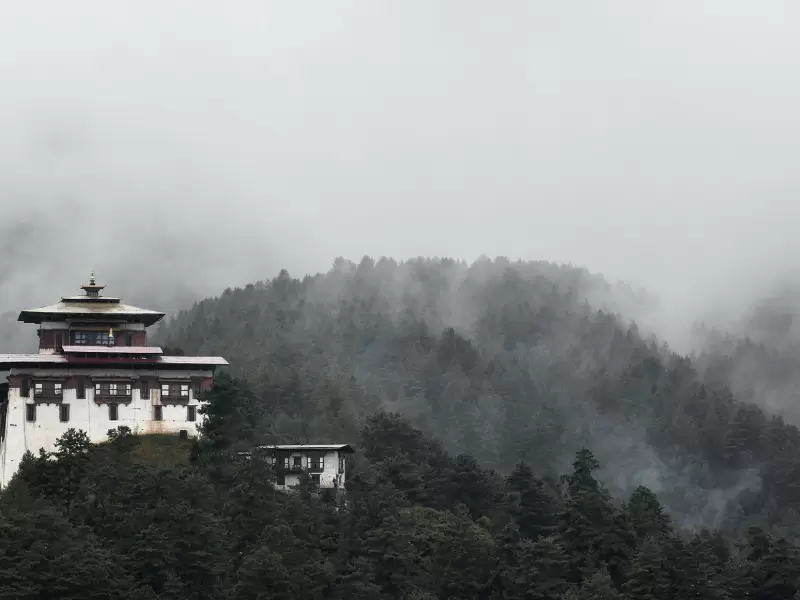
Jakar Tshechu
Masked dances at the dzong of the white bird
Trongsa Tshechu
A midwinter festival in the dzong the kings came from
Thangbi Mewang
A fire blessing after the harvest
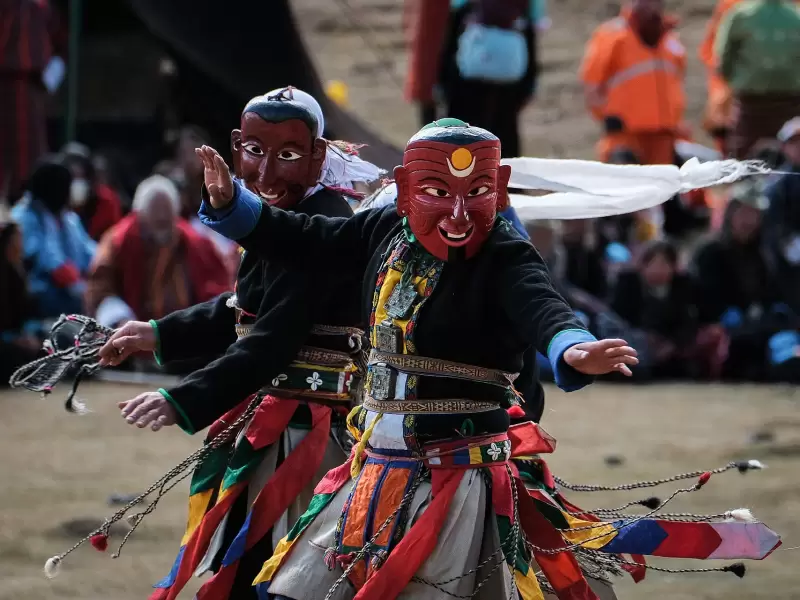
Tamshing Phala Chhoepa
The boar dance, at the temple Pema Lingpa built
Questions
Good to know
How many days do I need in Bhutan?
Four days is the least we would suggest, and it covers Paro and Thimphu. Six or seven days is what we suggest for a first visit: it adds Punakha, and at seven days the Phobjikha valley. To reach Bumthang in central Bhutan you need nine or ten days, and the far east takes two weeks or more.
Because the Sustainable Development Fee is charged per night, each extra day has a clear cost. We would rather you saw three valleys well than six in a hurry.
Are festival dates fixed?
Most are not. Bhutan’s festivals follow the lunar calendar, so they fall on different dates each year. The Department of Tourism and the Association of Bhutanese Tour Operators publish a list for each year and label it tentative, because dates can still move.
Our festival calendar shows the official dates and the day we last checked them. Confirm with us before you book flights. The Black-Necked Crane Festival is the exception: it is held on 11 November every year. If you are deciding between festivals, read how to choose a Bhutan festival.
Where it is
Bumthang on the map of Bhutan
Next door: Lhuentse Mongar Trongsa Wangdue Phodrang Zhemgang
Choose a district to read about it.