

Many people come to Bhutan for a rest of a particular kind. They want quiet, clean air, some walking, and a look at how a Buddhist country goes about its day. A Bhutan wellness and spiritual tour is our name for a trip planned around that: fewer places, longer stays, and room in every day for nothing in particular.
These trips are private and made to order. Tell us what you are looking for, whether that is meditation, a pilgrimage to particular temples, or simply a slower holiday, and we will shape the days to it.
What a trip can include
- A hot-stone bath. The Bhutanese dotsho: a wooden tub of water heated by river stones that have been roasted in a fire, usually with artemisia leaves. Farmhouses in Paro, Punakha and Bumthang prepare them, and it is the best thing we know after a day’s walk.
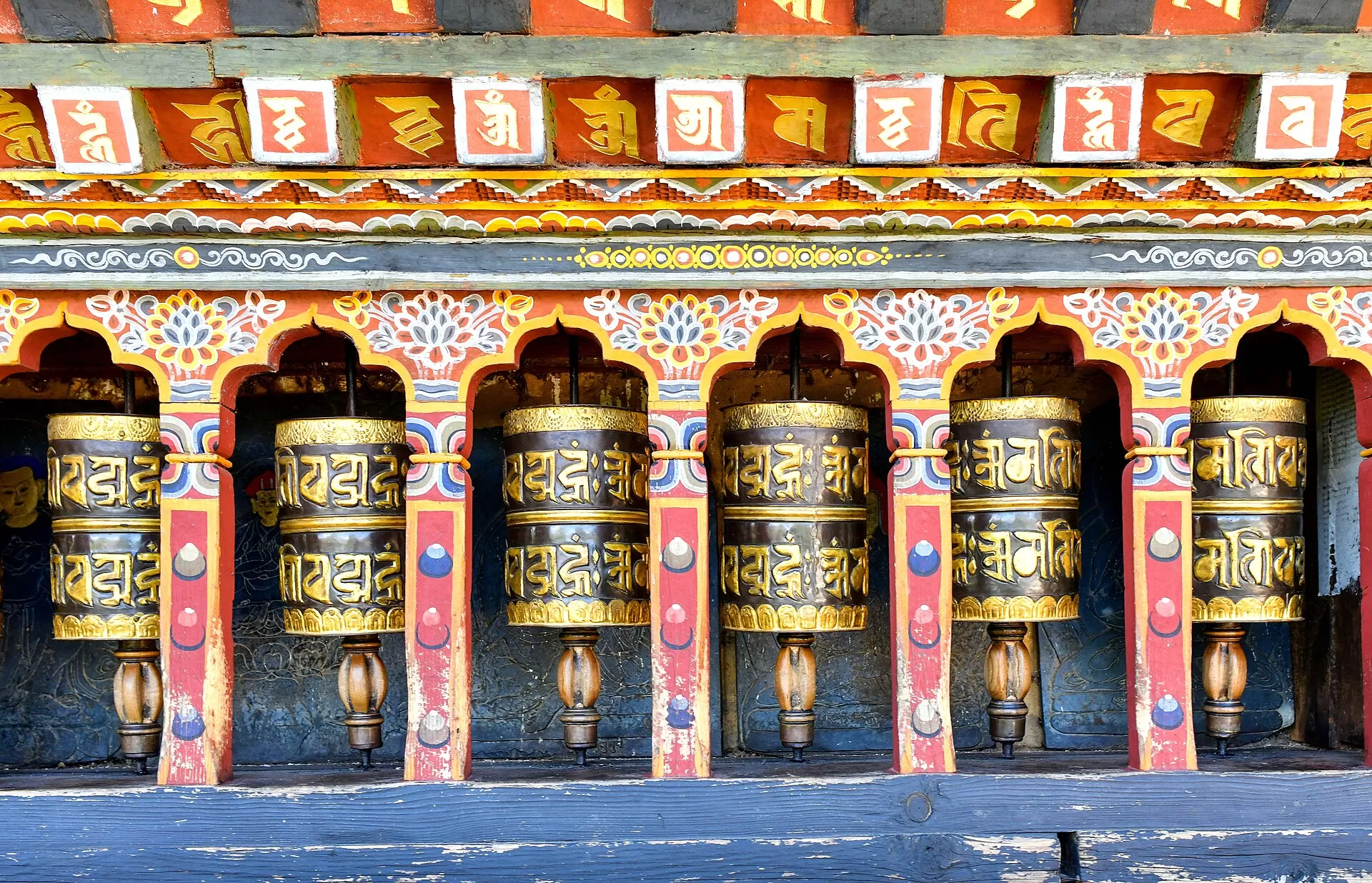
- Time in temples, not a tour of them. An early morning at Kyichu Lhakhang in Paro, one of the oldest temples in the country; an hour turning the prayer wheels at the Memorial Chorten in Thimphu with the people who come every day; butter lamps lit for someone you are thinking of.
- Meditation. Quiet places to sit, and where it can be arranged, instruction from a monk or a lay teacher.
- Gentle walks. The climb to Tiger’s Nest, taken slowly; the path through rice fields to Khamsum Yulley Namgyal Chorten above the Punakha river; the nature trail in Phobjikha.
- Hot springs. The tshachu at Gasa, where Bhutanese families go in winter to soak for days at a time.
- Traditional medicine. Bhutan has its own tradition, Sowa Rigpa, practised alongside modern medicine in the public health service. Its national centre is in Thimphu.
Where to go
Three or four places are enough. Paro for Tiger’s Nest and the old temples. Punakha, lower and warmer, for the river and the dzong. Phobjikha for silence and wide skies. With ten days or more, Bumthang: four valleys of temples and farmhouses, and the part of the country most closely tied to the saints who brought Buddhism here.
How it differs from our other tours
- Two or three nights in each place, so that you unpack
- Half-days left open, on purpose
- Hotels and lodges chosen for quiet, at whichever standard you prefer
- A guide who knows when to explain and when to leave you alone
If comfort matters most, this kind of trip pairs naturally with the lodges on our Bhutan in Luxury journey. If it is for two, see the honeymoon tour, which is planned at the same pace.
When to come
Any month can work, because the trip does not depend on mountain views. Spring and autumn have the best weather. Winter is cold, bright and very quiet, and is the season for hot springs and hot-stone baths. The summer rains keep visitors away and turn the valleys green. A festival adds colour and crowds: decide whether you want that. For the weather month by month, see the best time to visit Bhutan.
A word of honesty
Bhutan is not a spa resort and we are not therapists. The temples are places of worship first, and what visitors may join depends on the temple and the day. Paro and Thimphu stand above 2,200 m, so the first day is for resting whether you planned it or not. What we can promise is time, quiet and a guide who knows the country.
What it costs
The price is per person in US dollars and includes the Sustainable Development Fee, the visa, hotels, meals, guide, vehicle and driver. It depends on the length and the hotels, so we quote for each trip. what a trip to Bhutan costs explains the parts.
Plan your trip
Tell us how long you have and what you most want from the time.