
Festival
Paro Tshechu
Five days of masked dances at Rinpung Dzong
- 18–22 March 2027
- Rinpung Dzong, Paro
The festival
What happens
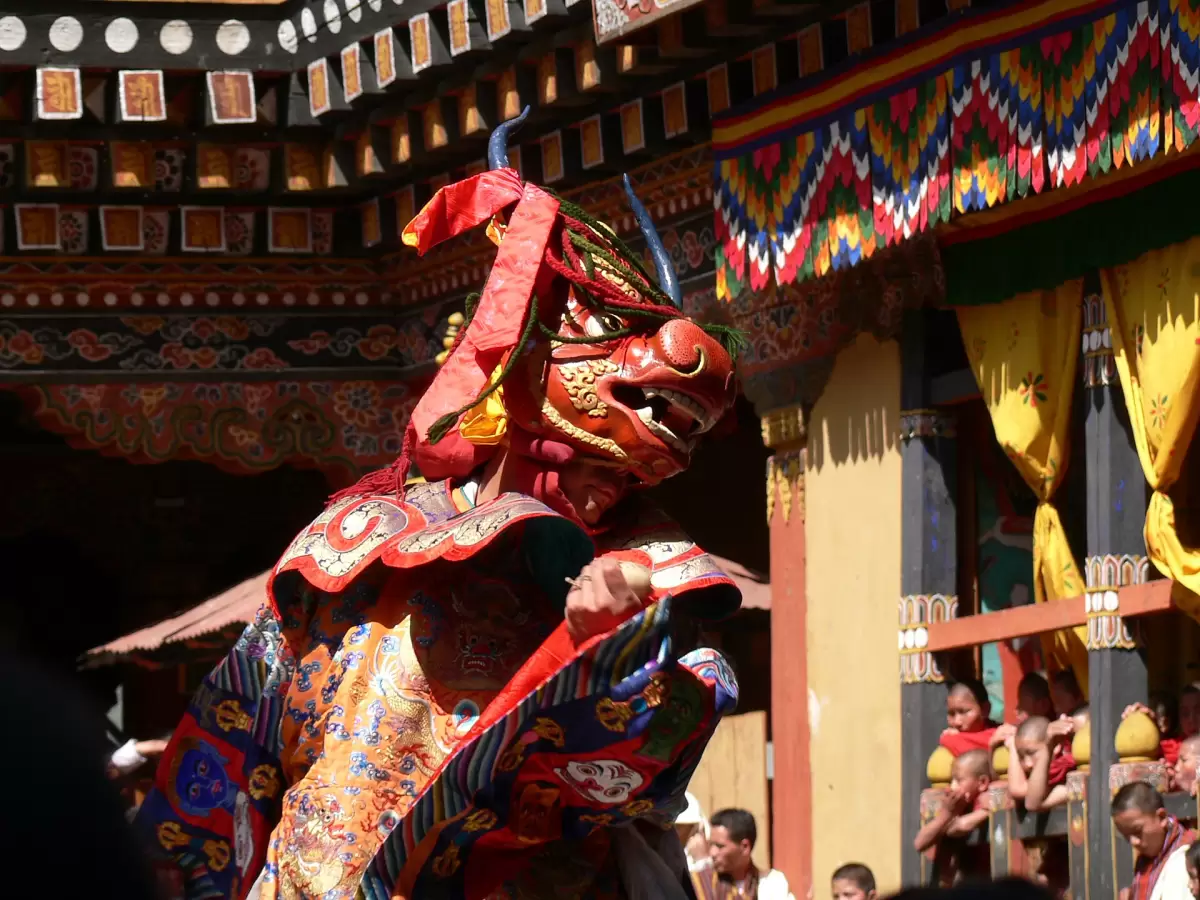
Paro Tshechu is one of the largest festivals in Bhutan and the best known among visitors. For five days each spring, monks and laymen perform masked dances in and beside Rinpung Dzong, watched by families from across the valley in their finest clothes.
A tshechu is held in honour of Guru Rinpoche, the saint who brought Buddhism to Bhutan in the 8th century. The word means “tenth day”, after the date in the lunar month on which he is remembered. The dances, called cham, are a form of teaching. Each one tells a story or carries a blessing, and Bhutanese believe that watching them brings merit.
What you will see
The dances follow one another through the day, with folk songs and dances by groups of women in between. Among those usually performed are the Black Hat dance, the Dance of the Lords of the Cremation Grounds, with its skull masks, and the long drama of the Judgement of the Dead. The atsaras, masked clowns with red faces, keep the crowd laughing and collect small donations.
The festival ends before sunrise on the last day, when a giant appliqué thangka of Guru Rinpoche, the thongdrel, is unrolled down the side of a building in the dzong. It is taken down again before the sun reaches it. Bhutanese believe that simply seeing it cleanses a person of wrongdoing, and people queue in the dark to touch their foreheads to its hem.
Practical notes
- Hotels in Paro fill early for the festival. Book as soon as the dates are published.
- Dress modestly: long sleeves, and long trousers or a skirt. Hats come off inside the dzong.
- Arrive early for a good place, and bring a cushion, water and sun protection. The ground is open to the sky.
- Stay out of the dance ground, and ask before photographing people at close range.
- The thongdrel is shown before dawn, so expect a very early start. It is unrolled at about three in the morning and taken down before the sun reaches it.
- There is no ticket for the festival ground: it is a public religious festival. Come with your guide and come early, because it fills quickly.
See it for yourself
Trips that fit this festival
Any of these can be timed to the festival dates. Tell us which days you want to be there.
Festival tour
Paro Tshechu Festival Tour
Paro, Thimphu, Punakha
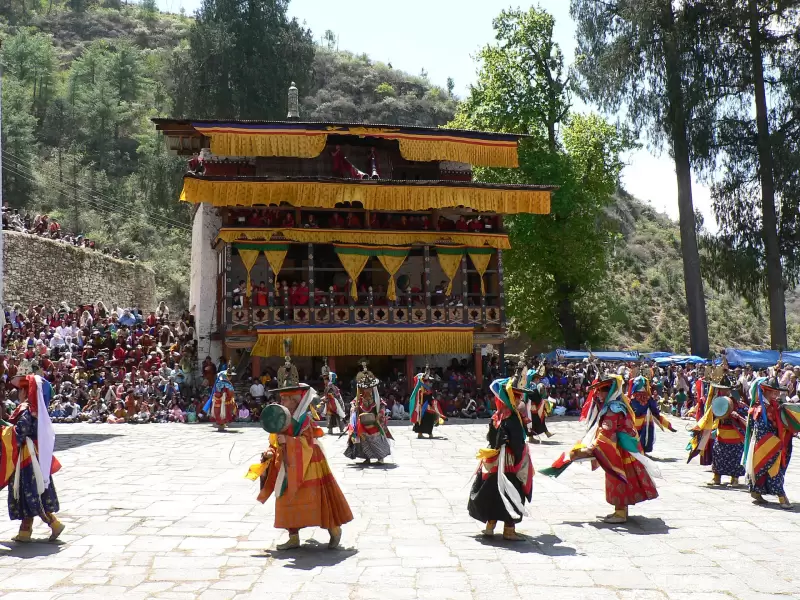
Eight days timed to the Paro Tshechu: Thimphu and Punakha first, then two days of masked dances and the thongdrel at dawn.
Cultural tour
Bhutan Short Trip
Paro, Thimphu
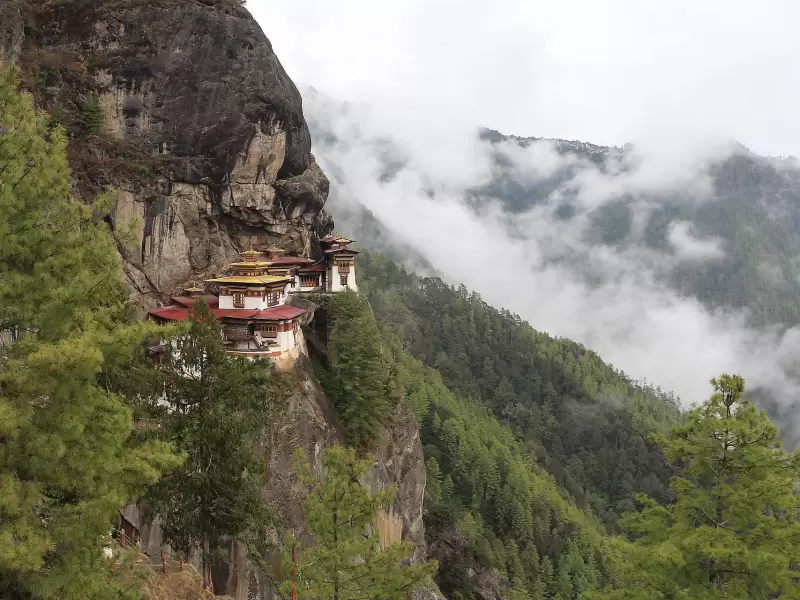
The shortest trip we suggest: Tiger's Nest, the dzongs of Paro and a day in Thimphu, with your own guide and driver.
Cultural tour
Western Valleys Discovery
Thimphu, Punakha, Paro
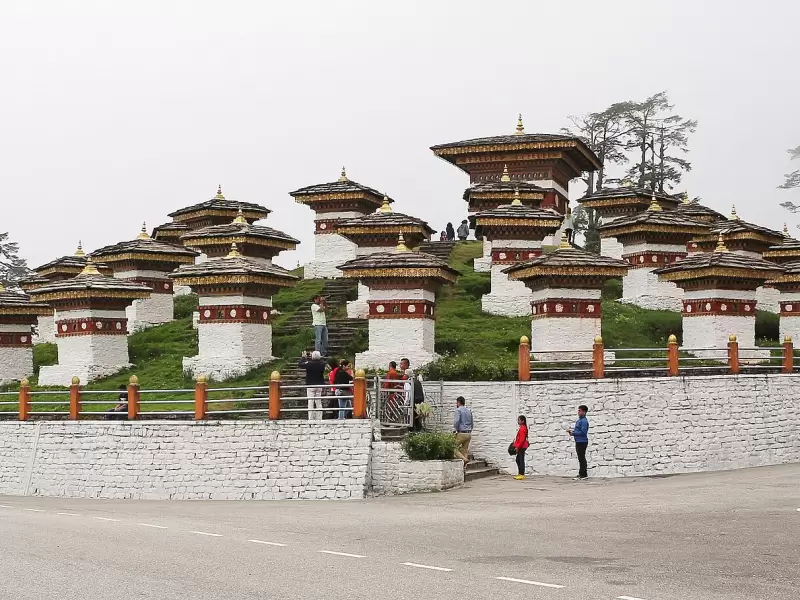
Five days across three valleys: Thimphu, a day over Dochu La to Punakha Dzong, and Paro with the hike to Tiger's Nest.
Where
Rinpung Dzong, Paro
- Rinpung Dzong, Paro Festival ground
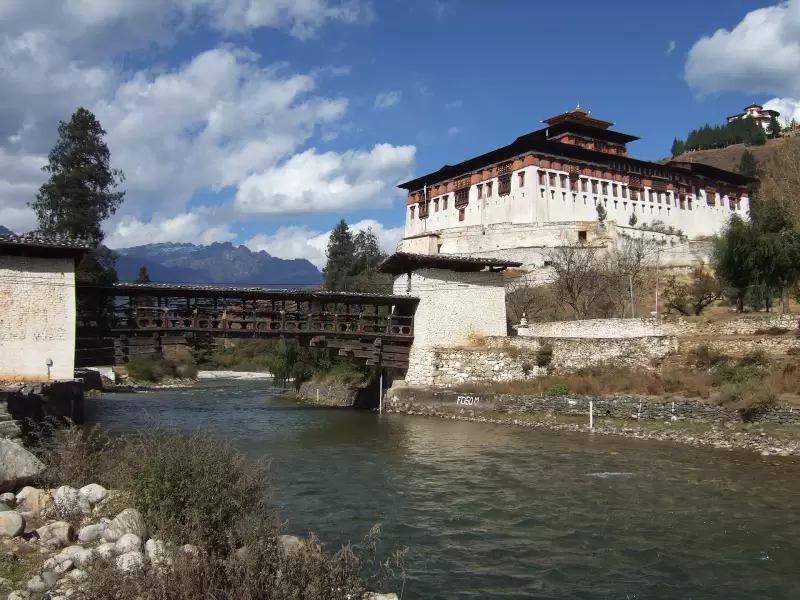
Paro
Tiger's Nest, Rinpung Dzong and the start of the trails
Questions
Asked about this festival
Are festival dates fixed?
Most are not. Bhutan’s festivals follow the lunar calendar, so they fall on different dates each year. The Department of Tourism and the Association of Bhutanese Tour Operators publish a list for each year and label it tentative, because dates can still move.
Our festival calendar shows the official dates and the day we last checked them. Confirm with us before you book flights. The Black-Necked Crane Festival is the exception: it is held on 11 November every year. If you are deciding between festivals, read how to choose a Bhutan festival.
What should I wear to a festival?
A festival is a religious occasion and Bhutanese come in their best clothes. Wear long sleeves and full-length trousers or a long skirt, and take off your hat inside a dzong. You will be sitting on stone for hours, often in strong sun, so bring a cushion, a sun hat for outside the dzong, water and a warm layer for the early morning.
Can I take photographs at a festival?
Yes, in the courtyard or festival ground, from where you are sitting. Do not step into the dance area or block other people’s view, and ask before photographing anyone at close range. Photography is never allowed inside temples and shrines.
A few rituals may not be photographed at all, among them the midnight Tercham at Jambay Lhakhang. Your guide will tell you. Drones are not permitted.
How far ahead should I book a festival tour?
As early as you can. Paro Tshechu and Thimphu Tshechu fall in the two busiest seasons of the year, and both the flights and the hotels closest to the festival fill well ahead. Smaller festivals, such as those in Bumthang and Phobjikha, are held in valleys with few hotel rooms to begin with.
Enquire
Plan a trip around Paro Tshechu
Hotels near festival grounds fill early. Tell us your dates and we will check what is still available.