
Festival
Ura Yakchoe
A village festival in the highest valley of Bumthang
- 18–22 April 2027
- Ura Lhakhang, Bumthang
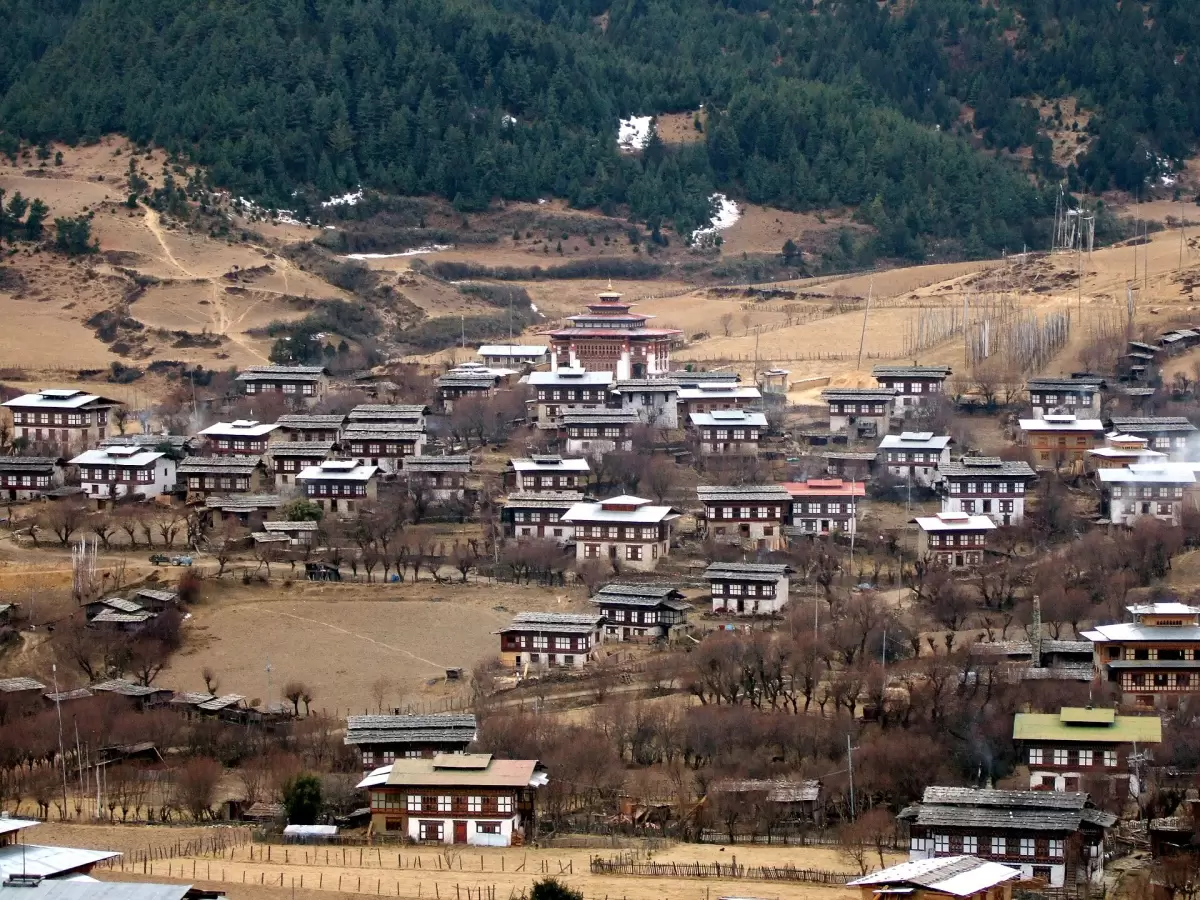
The festival
What happens
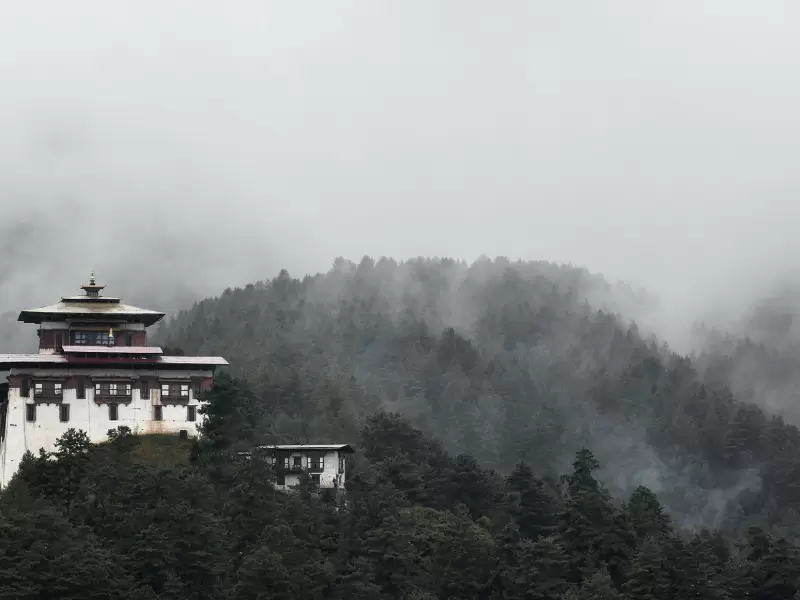
Ura is the highest of the four valleys of Bumthang, about 3,100 m up on the road towards eastern Bhutan. Its village is a tight cluster of large houses with stone-paved lanes between them, and a temple beside it. For a few days each spring the whole community gathers there for the Yakchoe.
This is a small, local festival, and that is its appeal. There is no great dzong and no crowd of thousands. Villagers who have moved away come home for it, everyone knows everyone else, and visitors are few enough to be noticed and made welcome.
The story behind it
The festival is tied to a legend. Guru Rinpoche is said to have come to Ura disguised as a beggar, and an old woman who was spinning wool invited him in to eat. When she went back to her spinning he had gone, and in her wool basket lay a statue of Vajrapani. The statue has been handed down in her family ever since.
The festival opens with a procession that brings the relic, and the lama who presides, from the nearby temple of Gaden to Ura. It is then placed on view in the temple so that people can receive its blessing.
What you will see
Over the following days there are masked dances in the temple courtyard, folk dances by the women of the village, and a good deal of eating and drinking. The dancers are men of the village, and the atmosphere is closer to a family gathering than a ceremony.
When and how to go
The Yakchoe falls in April or May, when the rhododendrons are in flower on Thrumshing La, the pass beyond the village. Ura is 48 km from Jakar, an hour and a half to two hours by road, so it is visited as a day trip from a hotel in Bumthang. Our ten-day Bhutan Grand Cultural Tour spends three nights in Bumthang and can be timed to fit.
Practical notes
- Dress modestly and warmly. Ura is high, and spring days there can turn cold quickly.
- Ask before photographing people, and do not photograph inside the temple.
- The programme runs on village time, and start times shift. Your guide will find out what is happening when.
See it for yourself
Trips that fit this festival
Any of these can be timed to the festival dates. Tell us which days you want to be there.
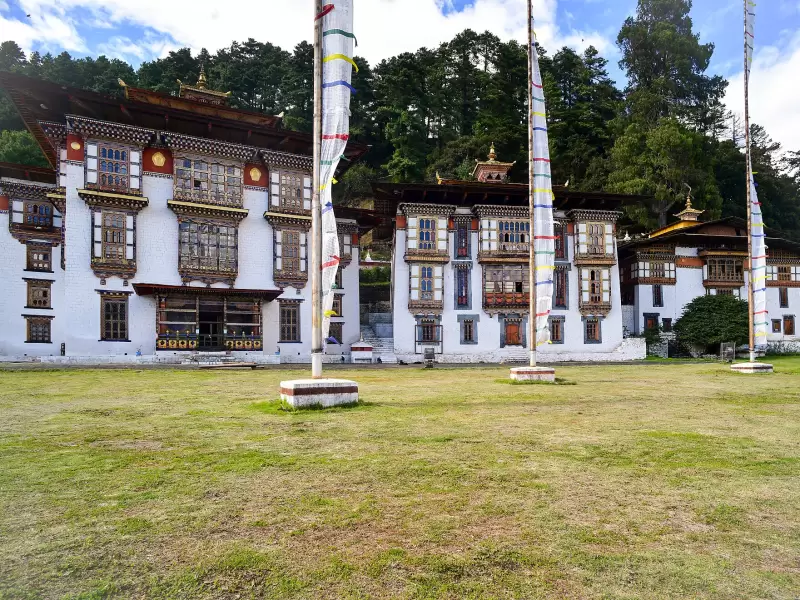
Cultural tour
Bhutan Grand Cultural Tour
Bumthang, Trongsa, Phobjikha and 1 more
Ten days from Paro to Bumthang, with three nights in central Bhutan and a day in the Tang valley.
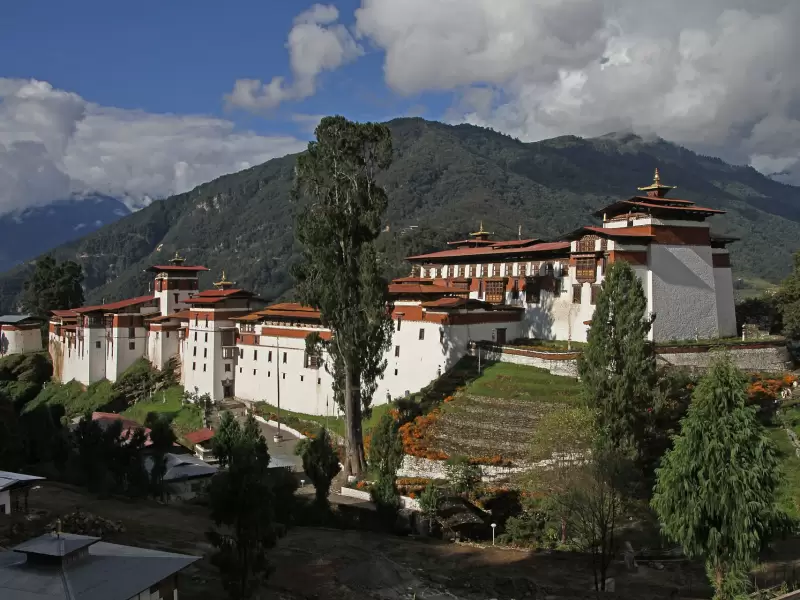
Cultural tour
Heart of the Himalayas
Punakha, Phobjikha, Trongsa and 1 more
Nine days from Paro to Bumthang by road, through Punakha, Phobjikha and Trongsa, with a short flight back.
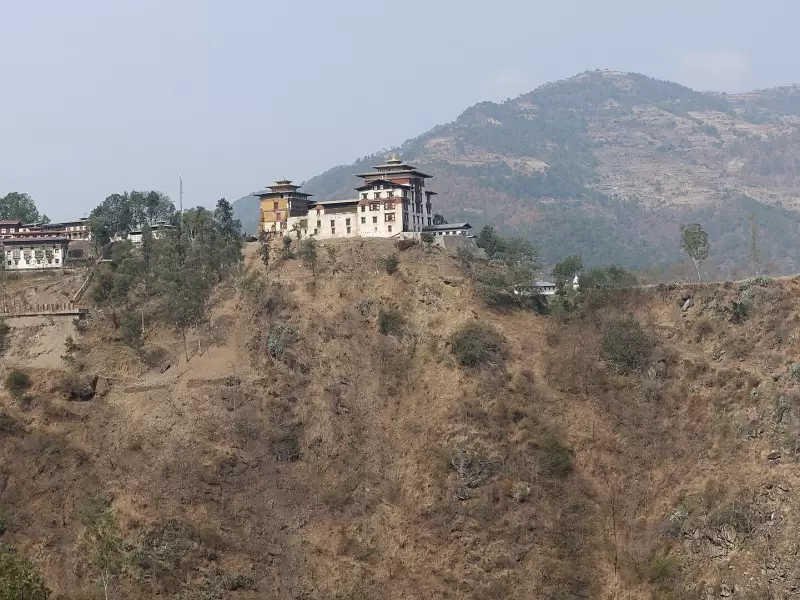
Cultural tour
Bhutan from East to West
Trashigang and the east, Bumthang, Trongsa and 1 more
Seventeen days across the whole country, out to Trashigang and the weaving villages of the east and back to Paro.
Where
Ura Lhakhang, Bumthang
- Ura, Bumthang Festival ground
Bumthang
Four valleys and the oldest temples in Bhutan
Questions
Asked about this festival
Are festival dates fixed?
Most are not. Bhutan’s festivals follow the lunar calendar, so they fall on different dates each year. The Department of Tourism and the Association of Bhutanese Tour Operators publish a list for each year and label it tentative, because dates can still move.
Our festival calendar shows the official dates and the day we last checked them. Confirm with us before you book flights. The Black-Necked Crane Festival is the exception: it is held on 11 November every year. If you are deciding between festivals, read how to choose a Bhutan festival.
What should I wear to a festival?
A festival is a religious occasion and Bhutanese come in their best clothes. Wear long sleeves and full-length trousers or a long skirt, and take off your hat inside a dzong. You will be sitting on stone for hours, often in strong sun, so bring a cushion, a sun hat for outside the dzong, water and a warm layer for the early morning.
Can I take photographs at a festival?
Yes, in the courtyard or festival ground, from where you are sitting. Do not step into the dance area or block other people’s view, and ask before photographing anyone at close range. Photography is never allowed inside temples and shrines.
A few rituals may not be photographed at all, among them the midnight Tercham at Jambay Lhakhang. Your guide will tell you. Drones are not permitted.
Enquire
Plan a trip around Ura Yakchoe
Hotels near festival grounds fill early. Tell us your dates and we will check what is still available.