
Destination
Thimphu
The capital, small enough to walk
- 2,334 m
- Mar–May, Sep–Nov
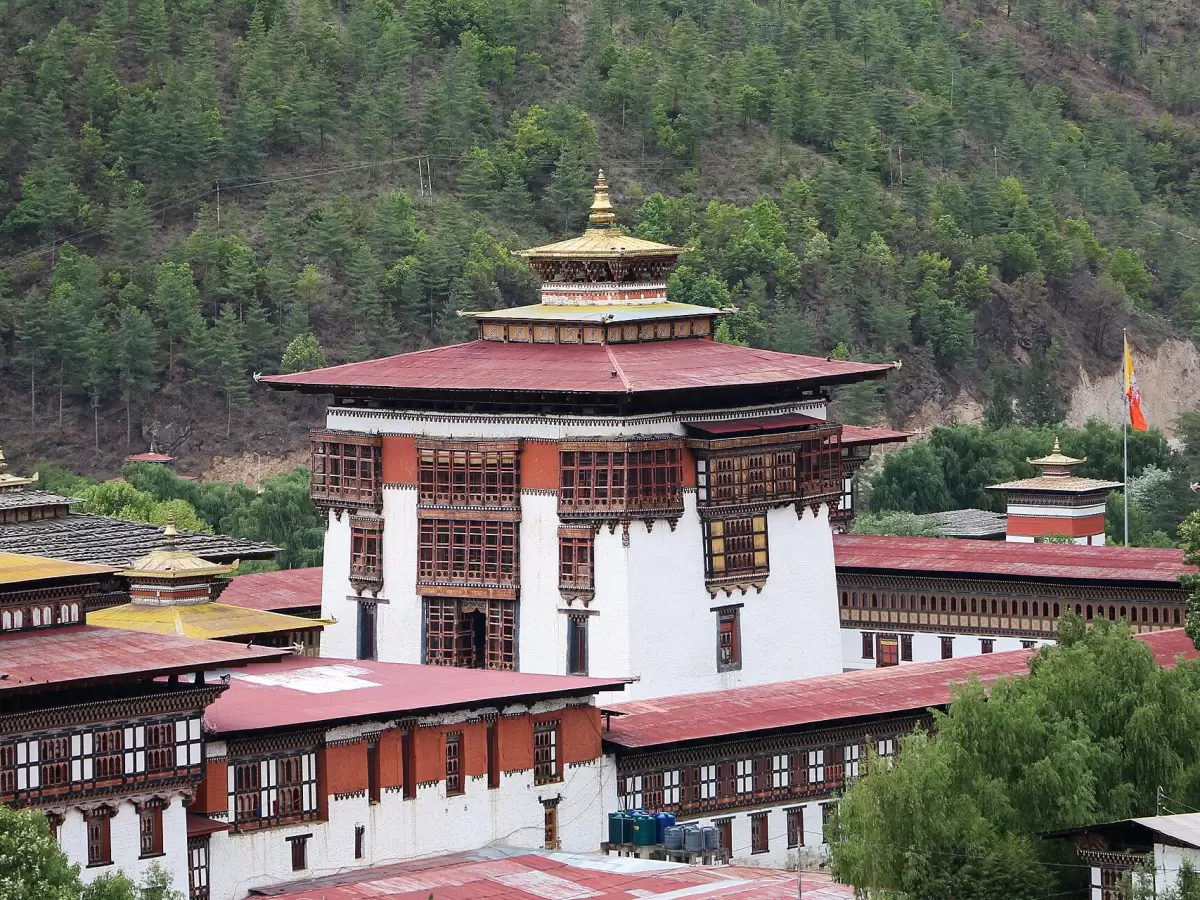
The valley
About Thimphu
Thimphu is the capital and the largest town in Bhutan, and it is still small enough to cross on foot. Government sits in Tashichho Dzong at the north end of the valley. The rest of the town is a mix of temples, craft workshops, cafés and markets, and the main junction is directed by a policeman in white gloves, because the city has no traffic lights.
This is the best place to see how Bhutan lives now. Monks and civil servants, schoolchildren in national dress and teenagers in trainers share the same pavements. The crafts you see in the dzongs are taught here, and at the weekend farmers from the surrounding valleys bring their produce to the market by the river.
A full day here covers the main sights. Two days lets you add the weekend market, a walk to a monastery above the valley, or an archery match at Changlimithang. In autumn the city holds its tshechu at Tashichho Dzong.
See and do
What to see
-
Buddha Dordenma
A 51.5 m bronze Buddha on a hill above the city.
-
Tashichho Dzong
The seat of government and of the monastic body in summer. Open to visitors after office hours.
-
National Memorial Chorten
A white stupa built in 1974, where people from the city walk their daily rounds.
-
National Institute for Zorig Chusum
The school of the thirteen traditional arts, where you can watch students at work.
-
Changangkha Lhakhang
A 12th-century temple above the town.
-
Takin Preserve
A forested enclosure on the edge of town for Bhutan's national animal.
-
Textile Museum and Postal Museum
Two small museums: one for Bhutan's weaving, one for its stamps, where you can have your own printed.
-
Weekend market and Changlimithang
The farmers' market by the river and, nearby, the archery ground.
Go there
Trips that visit Thimphu
Cultural tour
Bhutan Short Trip
Paro, Thimphu
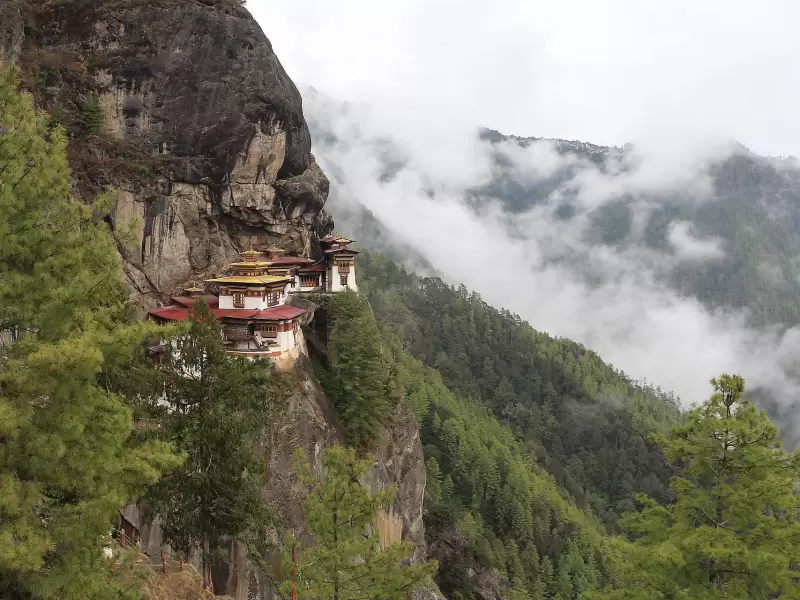
The shortest trip we suggest: Tiger's Nest, the dzongs of Paro and a day in Thimphu, with your own guide and driver.
Cultural tour
Western Valleys Discovery
Thimphu, Punakha, Paro
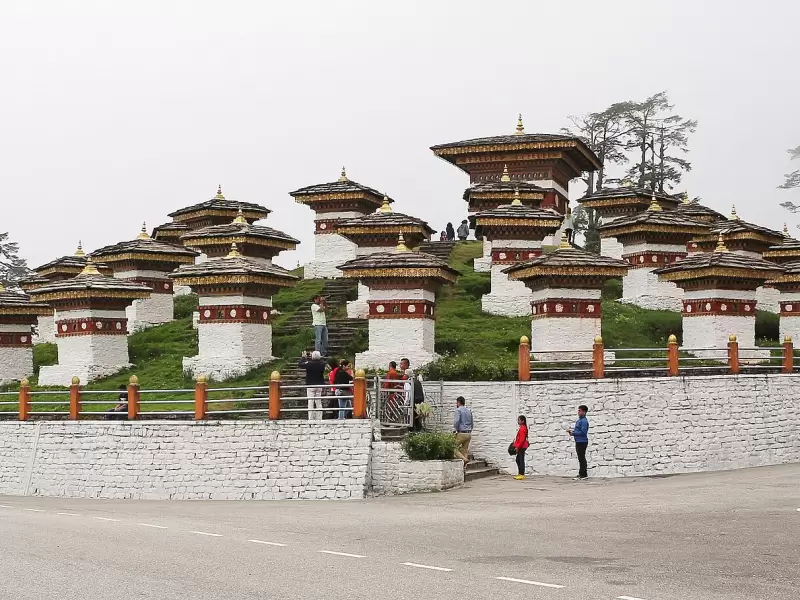
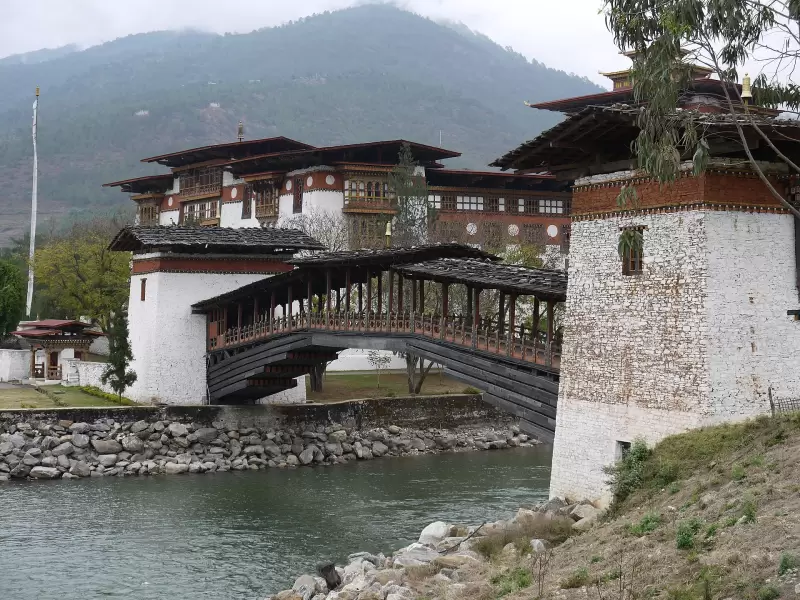
Five days across three valleys: Thimphu, a day over Dochu La to Punakha Dzong, and Paro with the hike to Tiger's Nest.
Cultural tour
Bhutan Signature Journey
Thimphu, Punakha, Paro
Six days with a night in each of the three western valleys: two in Thimphu, one in Punakha and two in Paro.
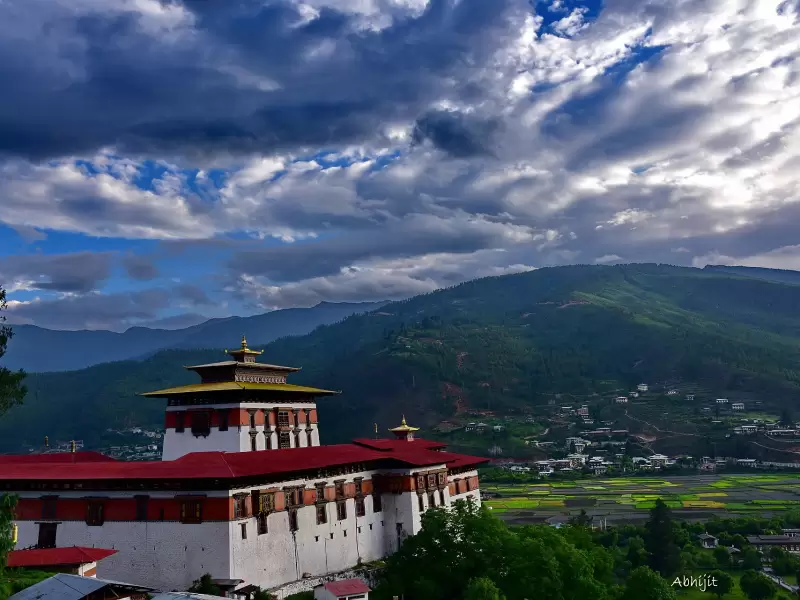
Luxury and special interest
Bhutan in Luxury
Thimphu, Punakha, Paro
A week in Thimphu, Punakha and Paro at an unhurried pace, staying in Bhutan's five-star lodges.
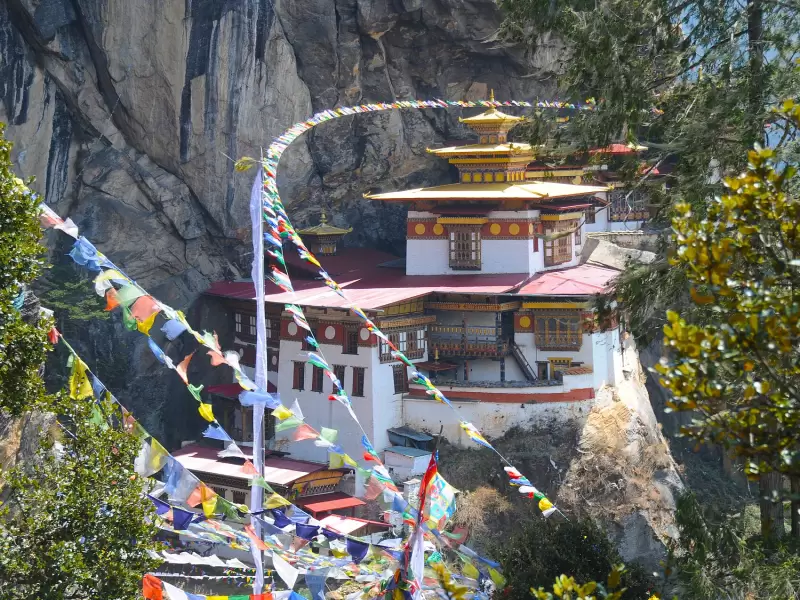
Trek
Bumdra Trek
Paro, Thimphu, Punakha
One night camped high above Paro, then a walk down to Tiger's Nest from above, with Thimphu and Punakha to follow.
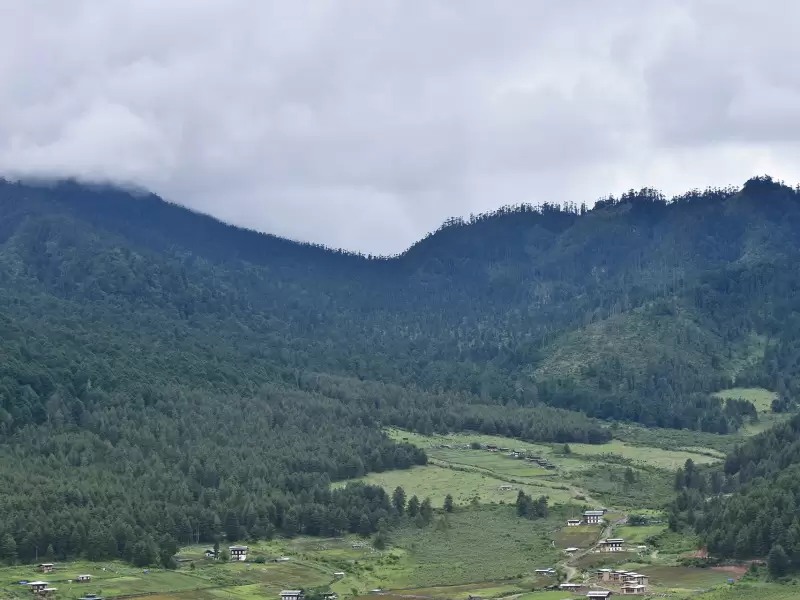
Cultural tour
Complete Western Bhutan
Thimphu, Punakha, Phobjikha and 1 more
A week through four valleys: Thimphu, Punakha, the high crane valley of Phobjikha, and Paro with Tiger's Nest.
Festivals
Festivals in Thimphu
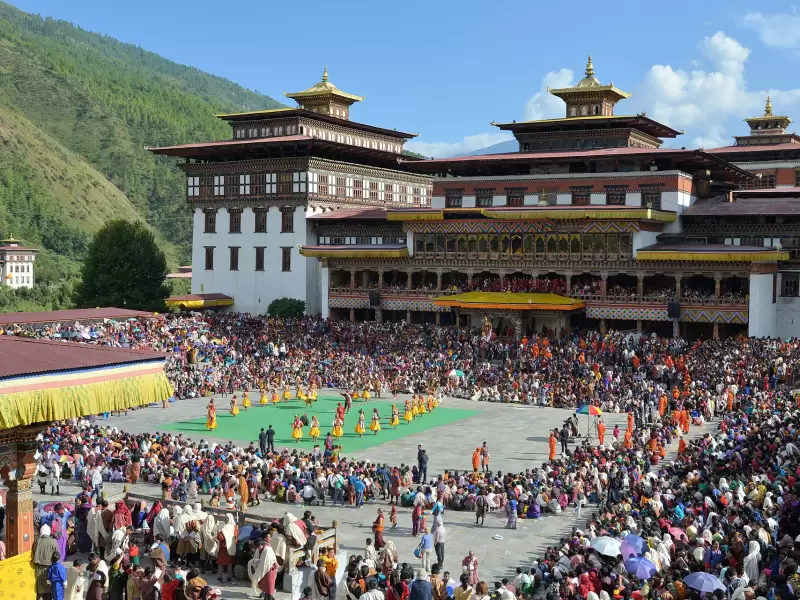
Thimphu Tshechu
The capital's festival, at Tashichho Dzong
Druk Wangyel Tshechu
The festival on the pass, danced by the army
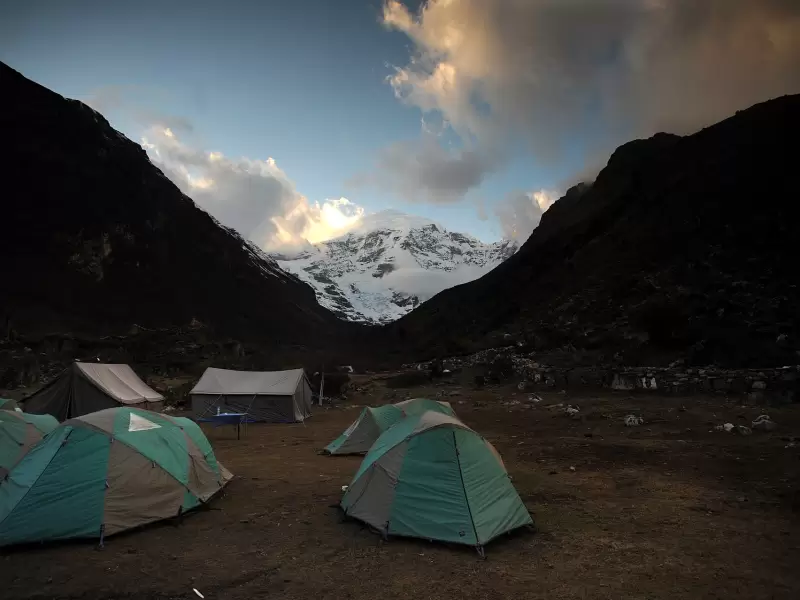
Jomolhari Mountain Festival
A highland festival two days' walk from the road
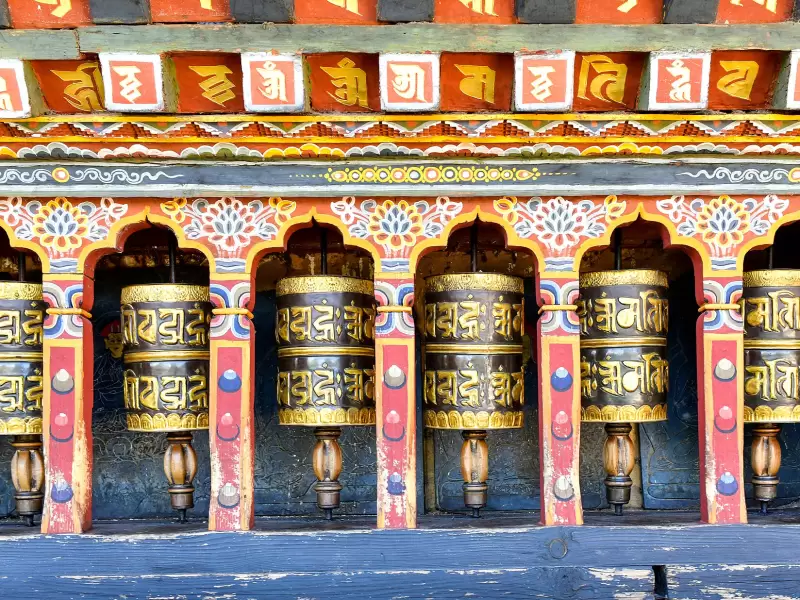
Dechenphu Tshechu
A day for the guardian deity of Thimphu
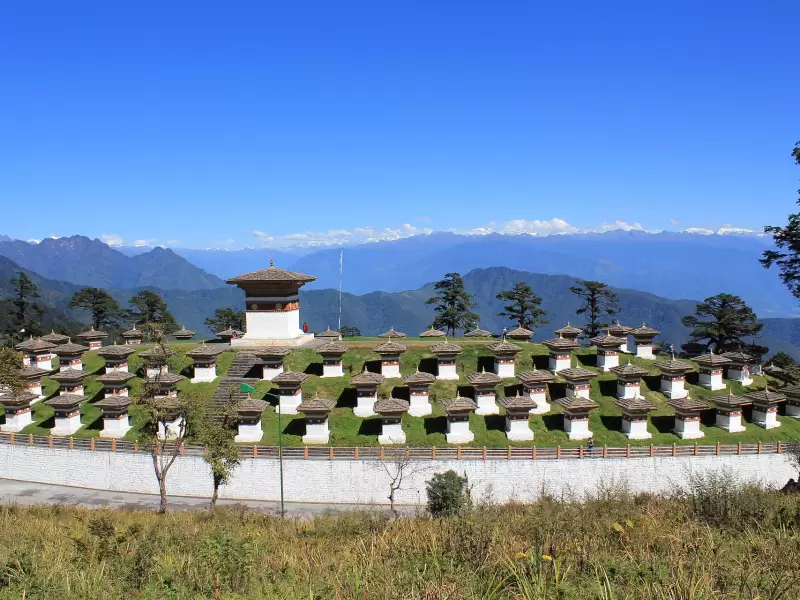
Rhododendron Festival
Two days among the rhododendrons below Dochu La
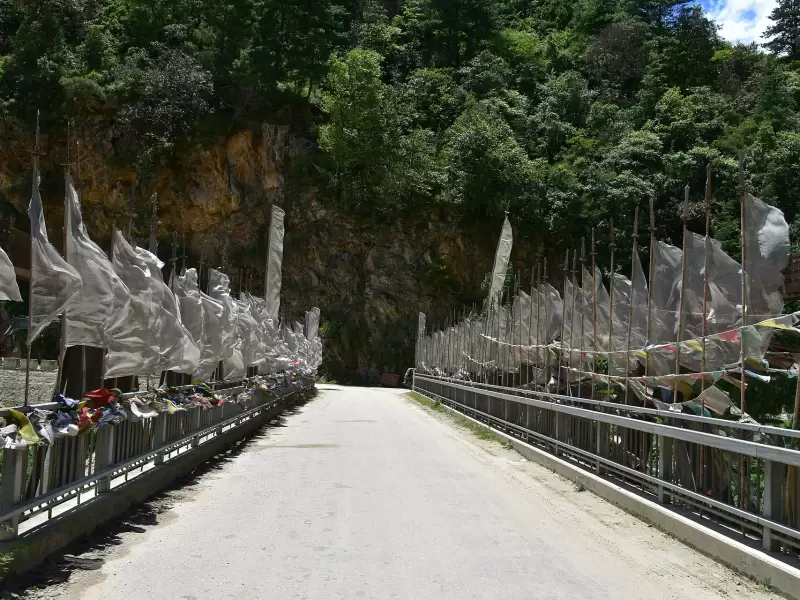
Tour of the Dragon
Bumthang to Thimphu by bicycle, in one day
Questions
Good to know
What should I wear to dzongs and temples?
Clothes that cover you from shoulders to knees at the least, and preferably long sleeves and full-length trousers or a long skirt. A shirt with a collar is ideal. Take off your hat on entering, and your shoes before going into a temple. Shorts, sleeveless tops and flip-flops will get you turned away. More on our etiquette page.
Is there Wi-Fi and mobile signal?
Hotels in the main valleys have Wi-Fi, though it can be slow. Mobile coverage is good in towns and along the main road and patchy between valleys. You can buy a local SIM card at the visitor centre in Paro airport or from a Bhutan Telecom or TashiCell office, and your guide will help. On treks, expect no signal for most of the route.
Can I use cards and ATMs in Bhutan?
Visa and Mastercard work at ATMs and banks in the main towns, and some larger hotels and shops take cards. Elsewhere you need cash. Bring some US dollars in clean notes, which are easy to change, and draw ngultrum in Paro or Thimphu before you head east.
Because your hotels, meals and transport are already paid for, most people spend little: drinks, souvenirs and tips. See money and currency.