
How to choose a Bhutan festival: a first-timer’s guide
Big tshechu or village festival, spring or autumn, Paro or Bumthang: how to pick the festival that suits your trip.
Bhutan’s official festival list for a single year runs to more than forty events, in every season and almost every district. Seeing one adds a great deal to a trip. The question is which. This guide sets out the choices.
What a tshechu is
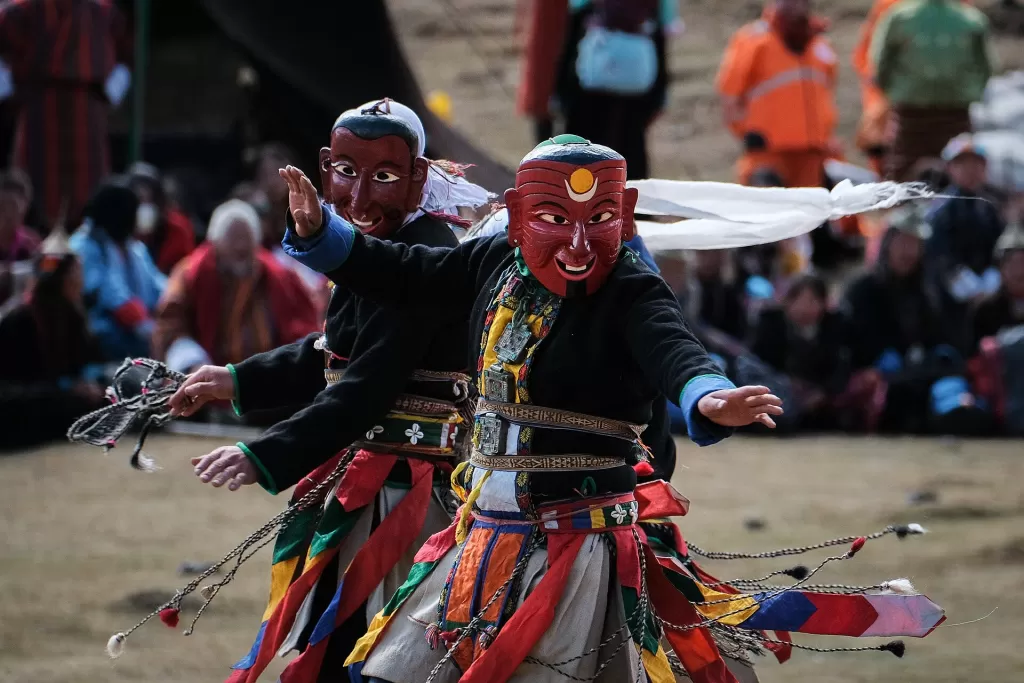
Most Bhutanese festivals are tshechus, held in honour of Guru Rinpoche, who brought Buddhism to the country. For several days monks and laymen perform cham, masked dances that act out religious stories, in the courtyard of a dzong or temple. People come in their best clothes, bring food, meet relatives and watch all day. It is a religious duty, a holiday and a reunion at once.
Some festivals end with the showing of a thongdrel, a huge appliqué image unrolled down a wall before dawn and put away before the sun reaches it. To see one is believed to bring great merit.
Big festival or small?
This is the first decision, and the most important.
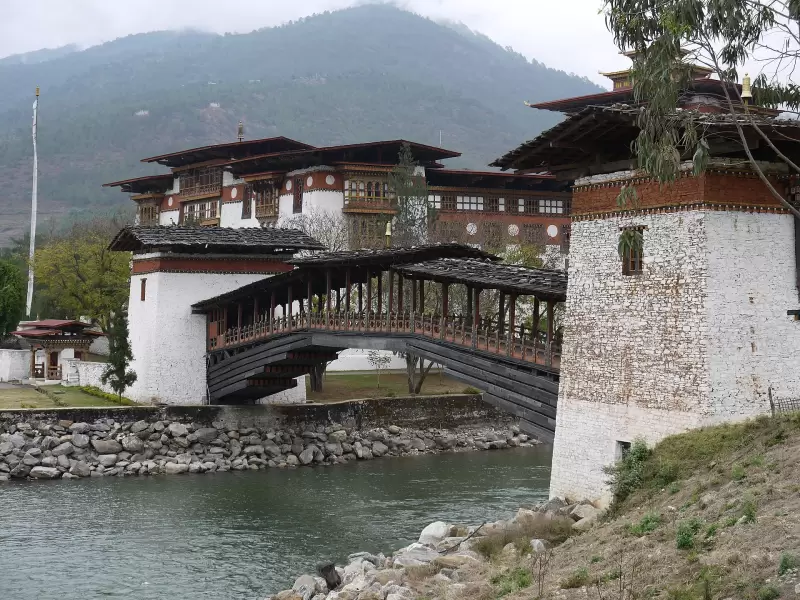
The big dzong tshechus, at Paro, Thimphu and Punakha, are grand occasions. The setting is magnificent, the dances are performed by large, well-rehearsed companies, and the crowds are part of the spectacle. They are also crowded, hotels fill early, and you will be one of many visitors.
The village festivals, at places such as Ura, Jambay Lhakhang and Gangtey, are small and local. You sit a few metres from the dancers among farmers and their children, and you may be one of a handful of outsiders. The dancing is less polished and the experience is closer.
Neither is better. If you want the full pageant, choose a big one. If you want to feel like a guest, choose a small one. Some itineraries can manage both.
Six festivals compared
| Festival | 2027 dates (tentative) | Where | Character |
|---|---|---|---|
| Punakha Drubchen and Tshechu | 13 to 18 February | Punakha Dzong | A re-enacted battle, then masked dances. Mild winter weather. |
| Paro Tshechu | 18 to 22 March | Rinpung Dzong, Paro | The best known. Five days, ending with a thongdrel. |
| Ura Yakchoe | 18 to 22 April | Ura, Bumthang | A village festival around a sacred relic. Very few visitors. |
| Thimphu Tshechu | 10 to 12 October | Tashichho Dzong | The capital’s festival, in the clearest month of the year. |
| Black-Necked Crane Festival | 11 November | Gangtey Goenpa, Phobjikha | One day, with children’s crane dances. Cranes in the valley. |
| Jambay Lhakhang Drup | 14 to 17 November | Jambay Lhakhang, Bumthang | A fire blessing and a midnight dance at an ancient temple. |
Choosing by season
Late winter: Punakha. The valley is warm when the rest of the country is cold, and there are few other visitors.
Spring: Paro Tshechu if you want the famous one. Ura Yakchoe if you want the opposite, and are happy to travel as far as Bumthang. Rhododendrons are in flower for both.
Autumn: Thimphu Tshechu, with the best mountain views of the year. Bumthang has a run of festivals through October and November, of which Jambay Lhakhang Drup is the best known.
Early winter: the Black-Necked Crane Festival, which has the advantage of a fixed date, and the Druk Wangyel Tshechu on the Dochu La pass on 13 December.
How much of a festival do you need?
Less than you might think. A tshechu runs for three to five days, and one full day is enough for most visitors, two if a thongdrel is involved. The dances are long and many are repeated. The best plan is a trip that reaches the festival for its most important day and spends the rest of the time seeing the country.
The last day is usually the one to aim for. It is when the thongdrel is shown, where there is one, and it is usually the busiest.
Three things to know before you book
- The dates are tentative. Festivals follow the lunar calendar, and the official list is published with a warning that dates can move. We check the list regularly and show the date we last did. Confirm with us before buying flights.
- Book early. Flights to Paro and hotels near the big festivals are the first things to sell out in Bhutan’s year.
- It is a religious event. Dress modestly, stay out of the dance ground, and follow your guide’s lead on photographs. Our etiquette page covers it.
Where to go from here
The festival calendar lists every festival on the official list with its dates. Our festival tours are built around five of the six above, and any other itinerary can be moved to fit a festival you have set your heart on.