
Destination
Punakha
The old capital, where two rivers meet
- 1,242 m
- Feb–May, Oct–Dec
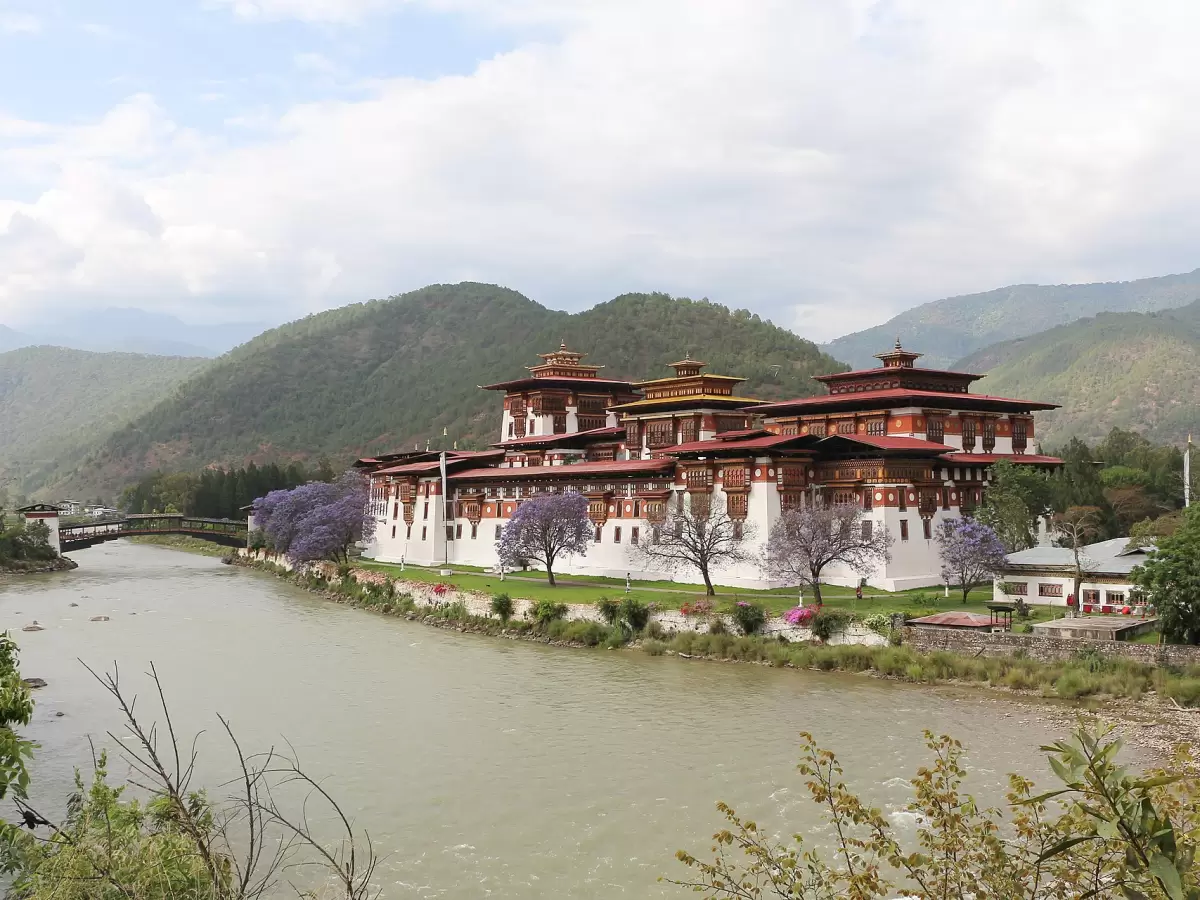
The valley
About Punakha
Punakha sits more than a thousand metres lower than Thimphu, and you feel it as soon as the road drops off Dochu La. The air warms, the pines give way to rice terraces and banana plants, and two rivers, the Pho Chhu and the Mo Chhu, run down the valley to meet beside Punakha Dzong.
Punakha was Bhutan’s capital until the middle of the 20th century, and the dzong is still where the country marks its great occasions. The first king was crowned here in 1907. Each winter the Je Khenpo, the head of the monastic body, moves down from Thimphu with his monks, and at the end of winter the dzong hosts two festivals back to back.
One night is enough to see the dzong and Chimi Lhakhang. Two nights give you time for the walk up to Khamsum Yulley Namgyal Chorten, a morning on the river and a quieter look at village life.
See and do
What to see
-
Punakha Dzong
Built in 1637 at the meeting of the Pho Chhu and Mo Chhu. You cross a covered bridge and climb steep wooden steps into three courtyards and a great assembly hall.
-
Chimi Lhakhang
A small temple from 1499, dedicated to the saint Drukpa Kunley and visited by couples hoping for children. It is a 20-minute walk through rice fields.
-
Khamsum Yulley Namgyal Chorten
A tiered chorten on a ridge above the Mo Chhu. The climb takes about 45 minutes, starting over a footbridge and through paddy.
-
Suspension bridge
A footbridge about 160 m long, hung with prayer flags, a short walk upstream from the dzong.
-
Dochu La
The pass on the road from Thimphu, with 108 chortens and, on a clear morning, a long line of Himalayan peaks.
Go there
Trips that visit Punakha
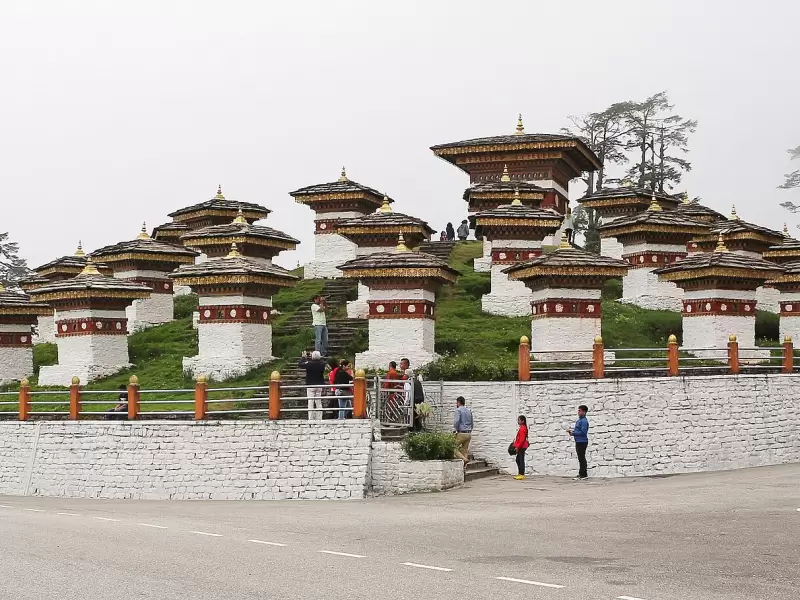
Cultural tour
Western Valleys Discovery
Thimphu, Punakha, Paro
Five days across three valleys: Thimphu, a day over Dochu La to Punakha Dzong, and Paro with the hike to Tiger's Nest.
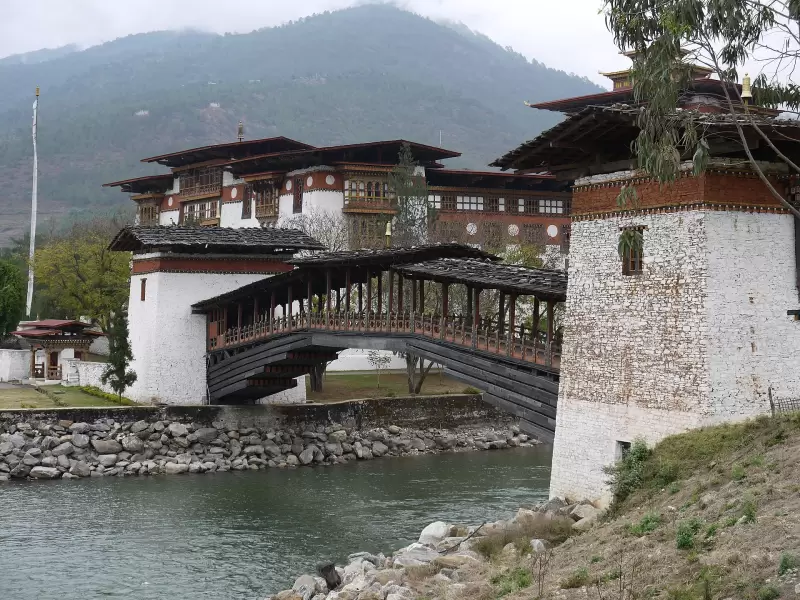
Cultural tour
Bhutan Signature Journey
Thimphu, Punakha, Paro
Six days with a night in each of the three western valleys: two in Thimphu, one in Punakha and two in Paro.
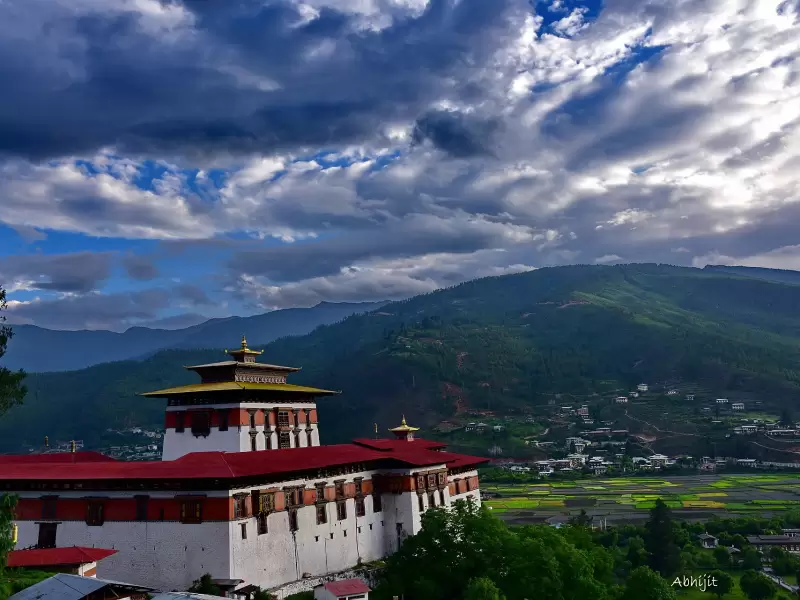
Luxury and special interest
Bhutan in Luxury
Thimphu, Punakha, Paro
A week in Thimphu, Punakha and Paro at an unhurried pace, staying in Bhutan's five-star lodges.
Trek
Bumdra Trek
Paro, Thimphu, Punakha
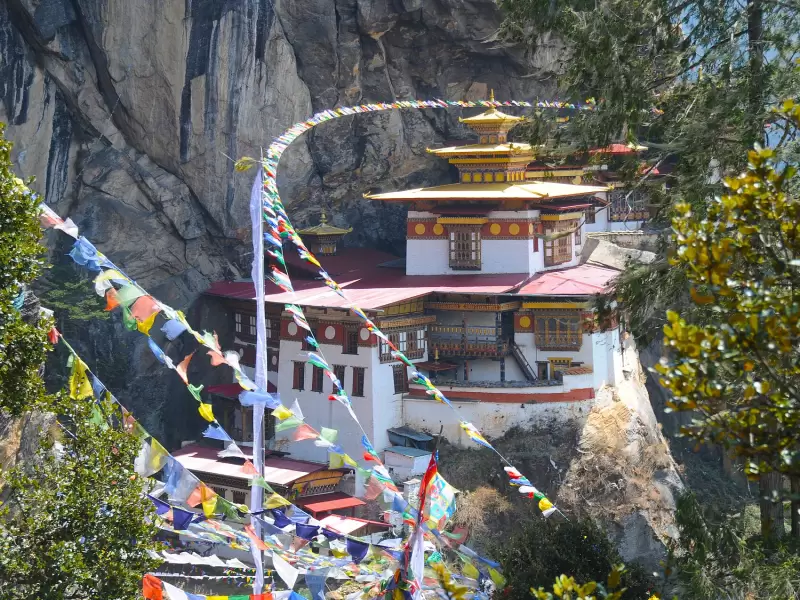
One night camped high above Paro, then a walk down to Tiger's Nest from above, with Thimphu and Punakha to follow.
Cultural tour
Complete Western Bhutan
Thimphu, Punakha, Phobjikha and 1 more
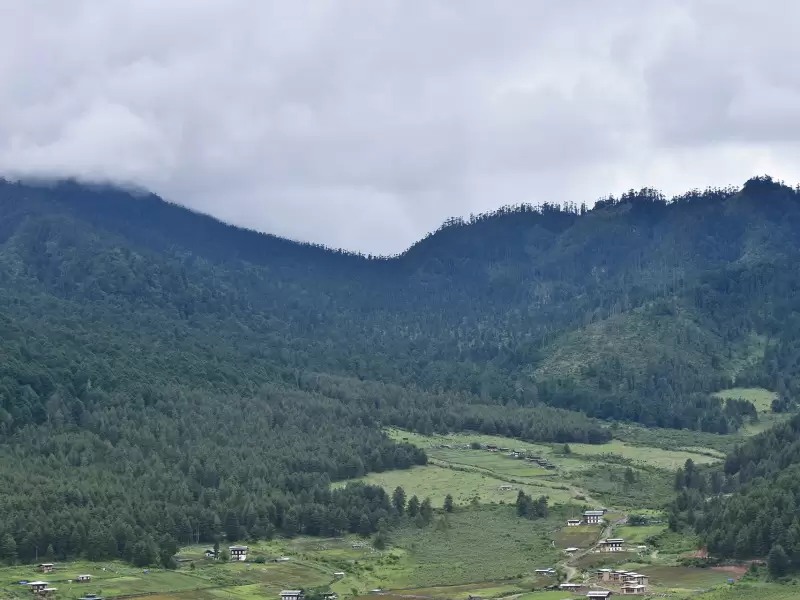
A week through four valleys: Thimphu, Punakha, the high crane valley of Phobjikha, and Paro with Tiger's Nest.
Festival tour
Punakha Drubchen and Tshechu Festival Tour
Punakha, Thimphu, Paro
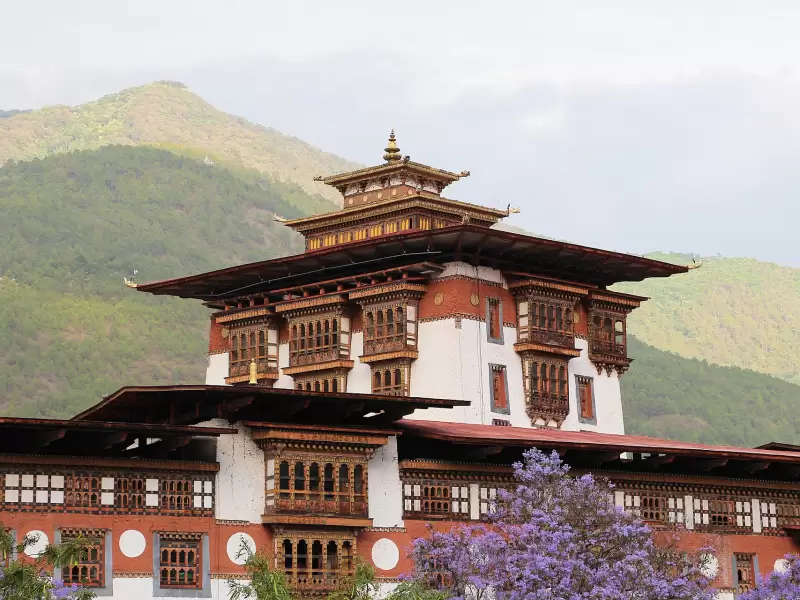
A week in late winter built around two festivals at Punakha Dzong: a re-enacted 17th-century battle, then three days of masked dances.
Festivals
Festivals in Punakha
Punakha Drubchen and Tshechu
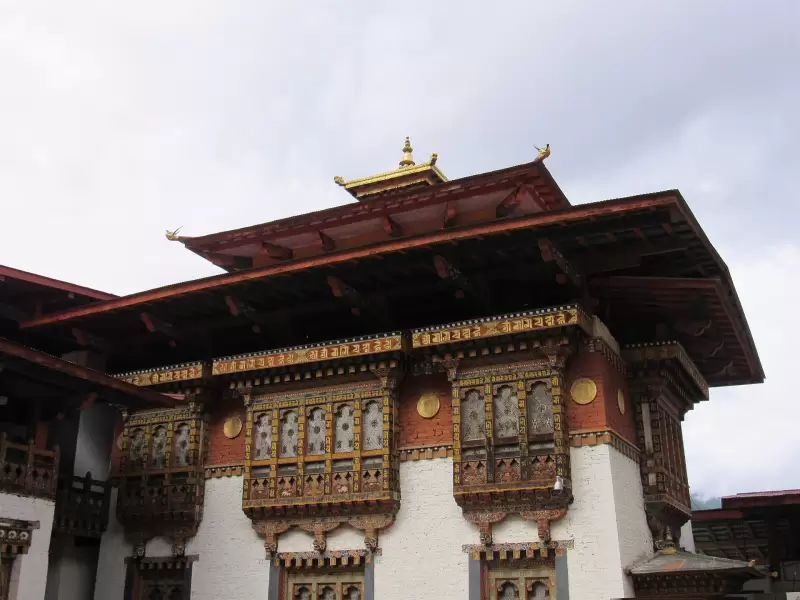
A battle re-enacted, then three days of masked dances
Druk Wangyel Tshechu
The festival on the pass, danced by the army
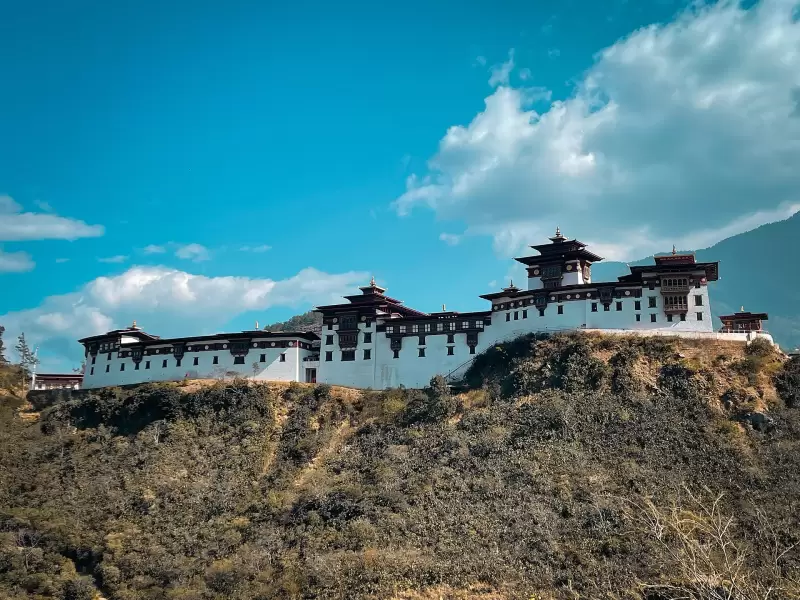
Wangdue Tshechu
The dance of the ox, at the dzong rebuilt after the fire
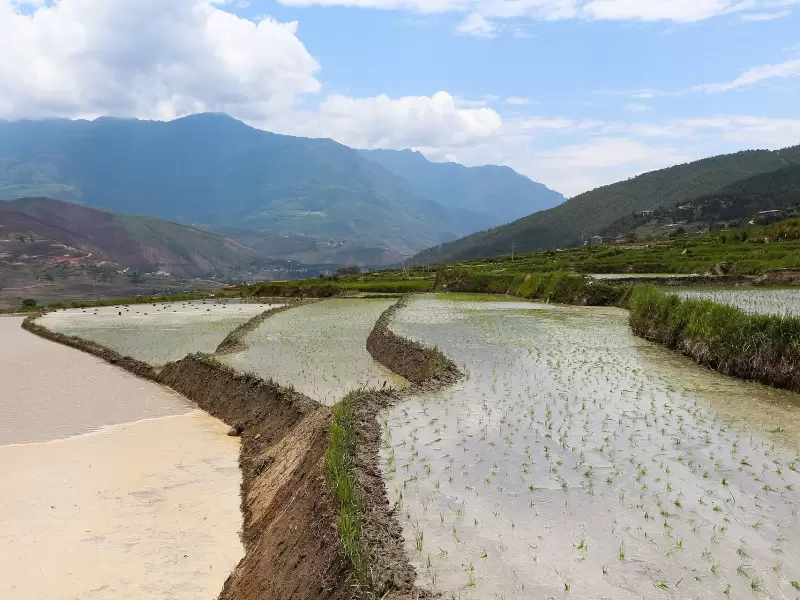
Talo Tshechu
Three songs on a ridge above Punakha
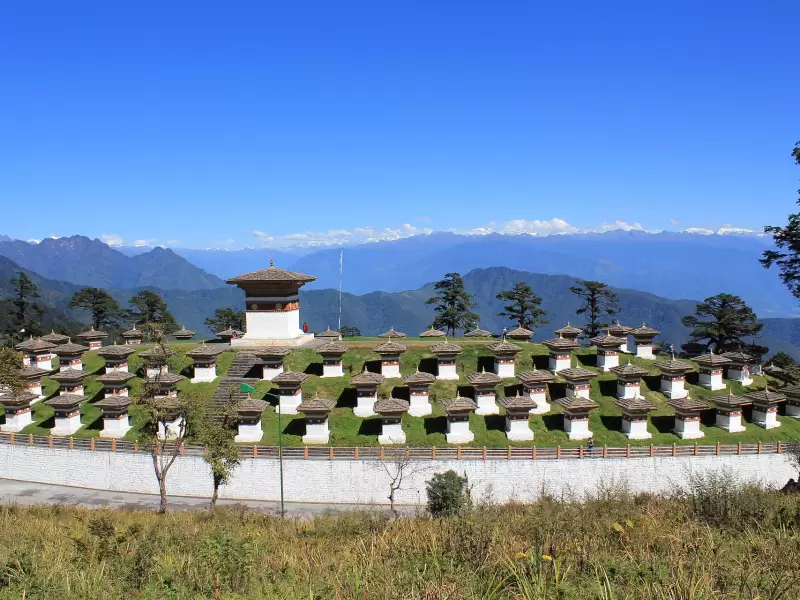
Rhododendron Festival
Two days among the rhododendrons below Dochu La
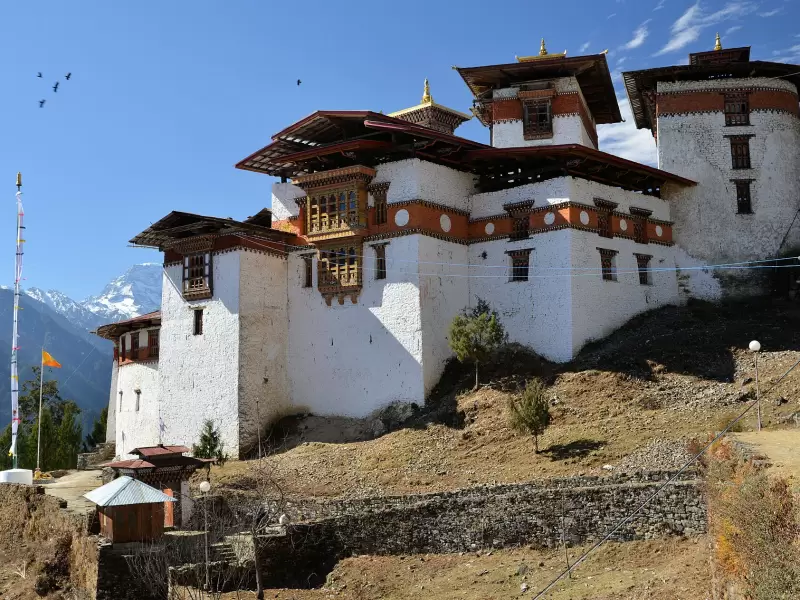
Gasa Tshechu
A dance of twenty-one men, under the snow peaks
Questions
Good to know
When is the best time to visit Bhutan?
Spring (March to May) and autumn (September to November) have the most settled weather and are the busiest months. Spring brings rhododendrons and Paro Tshechu. Autumn brings the clearest mountain views and Thimphu Tshechu.
Winter is cold but dry and sunny, with few visitors, and it is the season for black-necked cranes and the Punakha festivals. Summer is the monsoon: green and quiet, with cloud on the passes. Our month-by-month guide goes into detail.
Can I add Punakha to a 4-day trip?
Not comfortably. Punakha lies two to three hours beyond Thimphu, over the Dochu La pass, so a visit takes a full day at the least. In four days you would have to give up Tiger’s Nest or most of Thimphu to fit it in.
If Punakha matters to you, take five days. Our Western Valleys Discovery adds it as a day trip, and the six-day Bhutan Signature Journey gives it a night.
What should I wear to dzongs and temples?
Clothes that cover you from shoulders to knees at the least, and preferably long sleeves and full-length trousers or a long skirt. A shirt with a collar is ideal. Take off your hat on entering, and your shoes before going into a temple. Shorts, sleeveless tops and flip-flops will get you turned away. More on our etiquette page.
Where it is
Punakha on the map of Bhutan
Next door: Gasa Thimphu Wangdue Phodrang
Choose a district to read about it.