
Festival
Punakha Drubchen and Tshechu
A battle re-enacted, then three days of masked dances
- 13–15 February 2027
- Punakha Dzong, Punakha
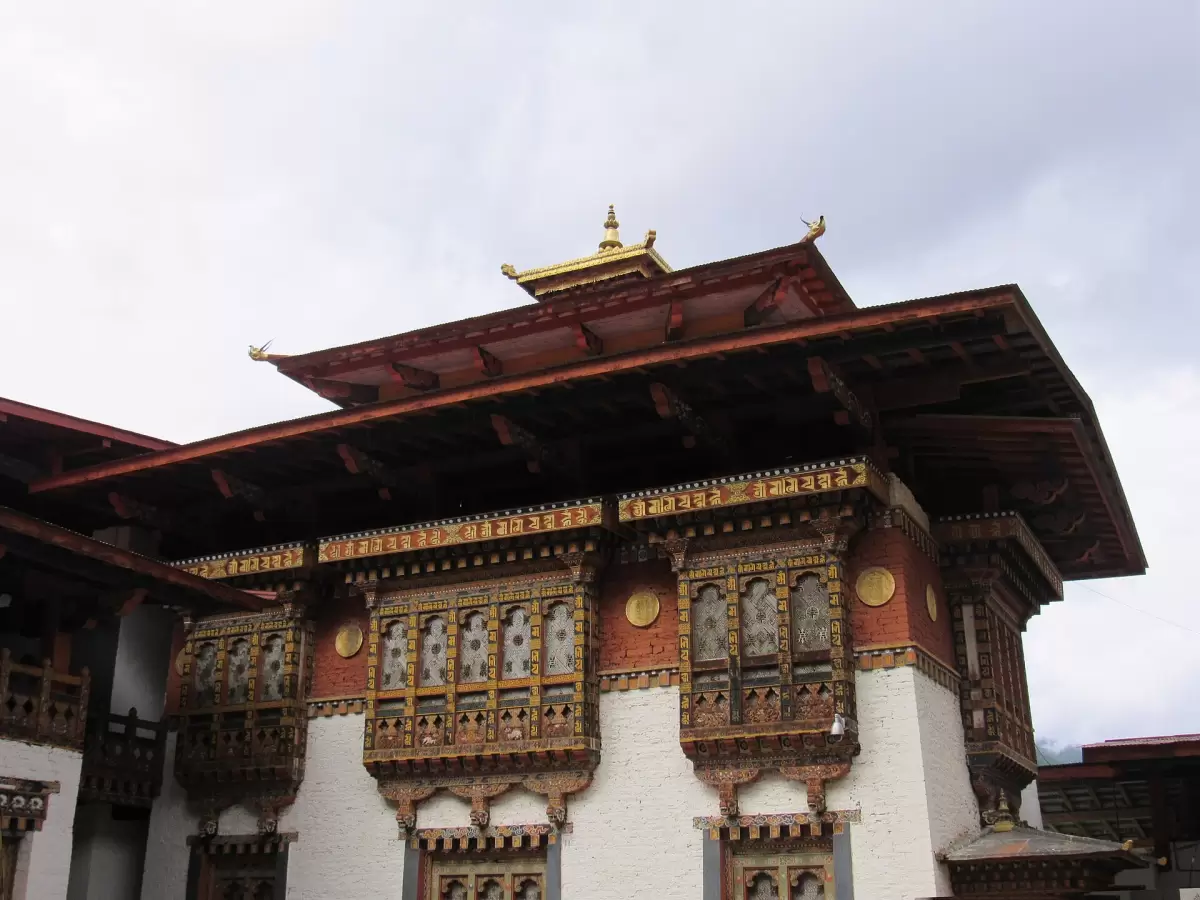
The festival
What happens
Punakha Dzong hosts two festivals in a row at the end of winter. The Drubchen lasts three days and is unlike any other festival in Bhutan. The Tshechu follows immediately and is a festival of masked dances like those of Paro and Thimphu. Seeing the end of one and the start of the other takes only two days.
The Drubchen
In the 17th century Tibetan armies invaded Bhutan several times, and the Bhutanese, under Zhabdrung Ngawang Namgyal, turned them back. The Drubchen commemorates that defence. On its last day local men known as pazaps dress as the warriors of the time and act out the battle in and around the dzong. The pazaps are not soldiers or monks. They are local men from the villages that, by tradition, supplied the Zhabdrung’s militia. Those villages are the eight great blocks of Wang, the old name for the valley of Thimphu, five of which now lie in Punakha district.
The day ends with a procession from the dzong down to the Mo Chhu, recalling the trick by which the Zhabdrung is said to have persuaded the invaders that the relic they had come for was lost to the river.
The Tshechu
The Punakha Tshechu is a recent addition, first held in 2005. Alongside the usual masked dances it includes a dance drama about the coming of the Zhabdrung to Punakha and the building of the dzong, and a thongdrel of the Zhabdrung is put on view.
Why go in winter
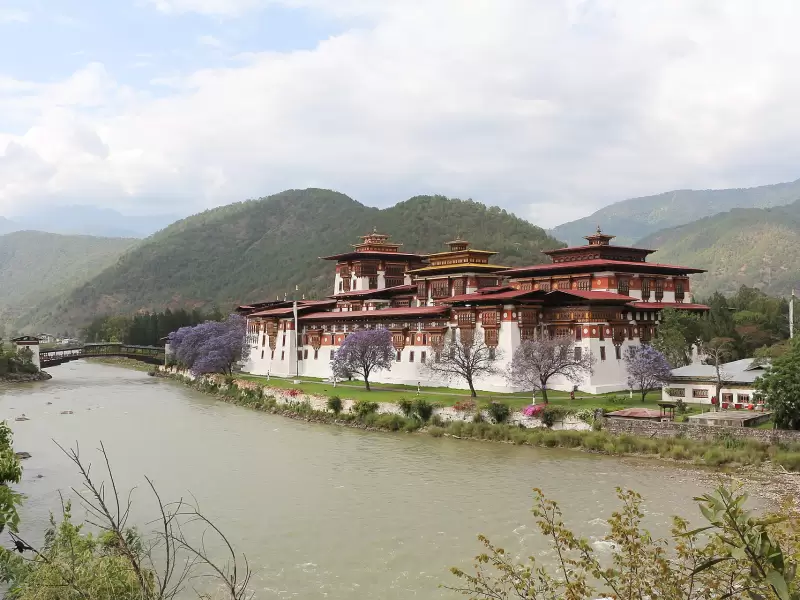
Punakha lies at 1,242 m, far lower than Thimphu or Paro, and its winter days are mild and usually sunny. February and early March are quiet months for visitors, and the mountain views from Dochu La are often at their clearest. The dzong itself, built in 1637 where two rivers meet, is the winter home of the monastic body, so it is full of monks at this season.
Practical notes
- Dress modestly: long sleeves, and long trousers or a skirt. Hats come off inside the dzong.
- Mornings and evenings are cool even in Punakha. Thimphu and Paro will be cold, so bring a warm jacket.
- Stay clear of the pazaps’ route during the re-enactment, and follow your guide’s lead on where to stand.
- Ask before photographing people at close range. No photographs inside the temples.
See it for yourself
Trips that fit this festival
Any of these can be timed to the festival dates. Tell us which days you want to be there.
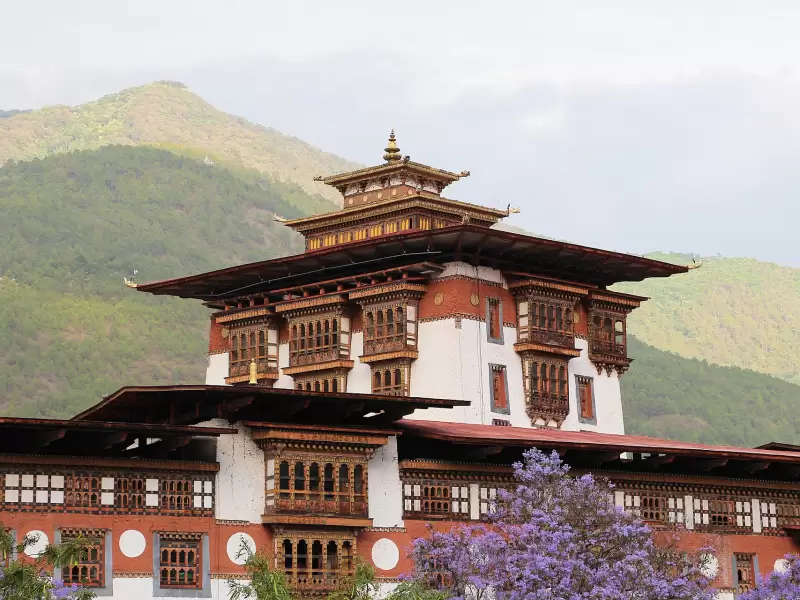
Festival tour
Punakha Drubchen and Tshechu Festival Tour
Punakha, Thimphu, Paro
A week in late winter built around two festivals at Punakha Dzong: a re-enacted 17th-century battle, then three days of masked dances.
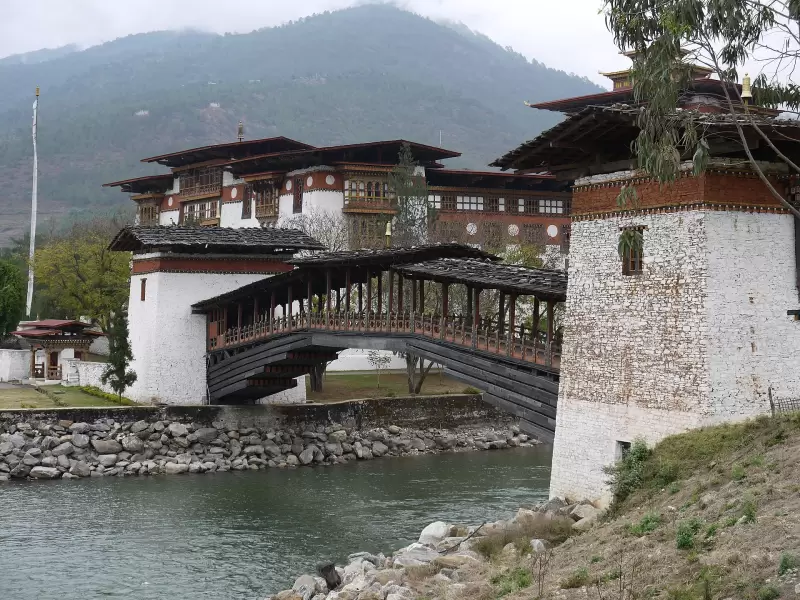
Cultural tour
Bhutan Signature Journey
Thimphu, Punakha, Paro
Six days with a night in each of the three western valleys: two in Thimphu, one in Punakha and two in Paro.
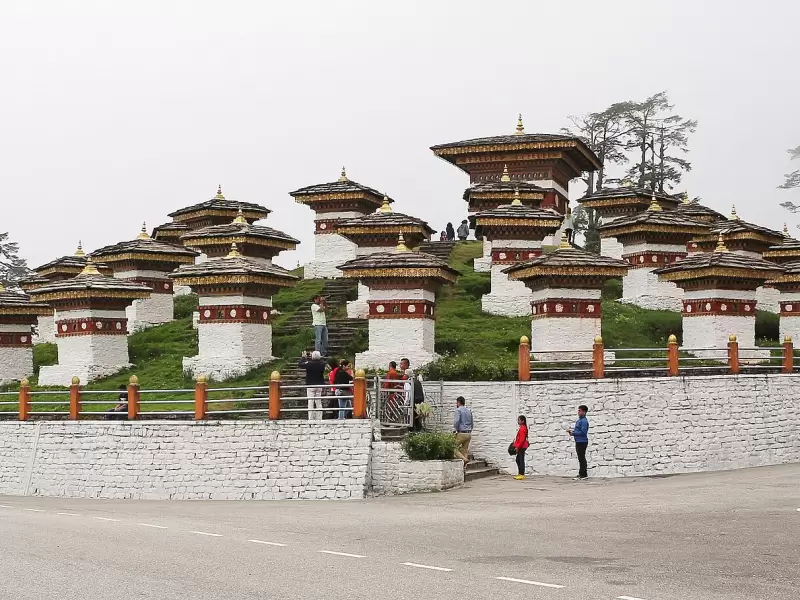
Cultural tour
Western Valleys Discovery
Thimphu, Punakha, Paro
Five days across three valleys: Thimphu, a day over Dochu La to Punakha Dzong, and Paro with the hike to Tiger's Nest.
Where
Punakha Dzong, Punakha
- Punakha Dzong Festival ground
Punakha
The old capital, where two rivers meet
Questions
Asked about this festival
Are festival dates fixed?
Most are not. Bhutan’s festivals follow the lunar calendar, so they fall on different dates each year. The Department of Tourism and the Association of Bhutanese Tour Operators publish a list for each year and label it tentative, because dates can still move.
Our festival calendar shows the official dates and the day we last checked them. Confirm with us before you book flights. The Black-Necked Crane Festival is the exception: it is held on 11 November every year. If you are deciding between festivals, read how to choose a Bhutan festival.
What should I wear to a festival?
A festival is a religious occasion and Bhutanese come in their best clothes. Wear long sleeves and full-length trousers or a long skirt, and take off your hat inside a dzong. You will be sitting on stone for hours, often in strong sun, so bring a cushion, a sun hat for outside the dzong, water and a warm layer for the early morning.
Can I take photographs at a festival?
Yes, in the courtyard or festival ground, from where you are sitting. Do not step into the dance area or block other people’s view, and ask before photographing anyone at close range. Photography is never allowed inside temples and shrines.
A few rituals may not be photographed at all, among them the midnight Tercham at Jambay Lhakhang. Your guide will tell you. Drones are not permitted.
Enquire
Plan a trip around Punakha Drubchen and Tshechu
Hotels near festival grounds fill early. Tell us your dates and we will check what is still available.