
Festival
Gomphu Kora
A night-long walk around a rock, in the far east
- 16–18 March 2027
- Gom Kora Lhakhang, Trashi Yangtse
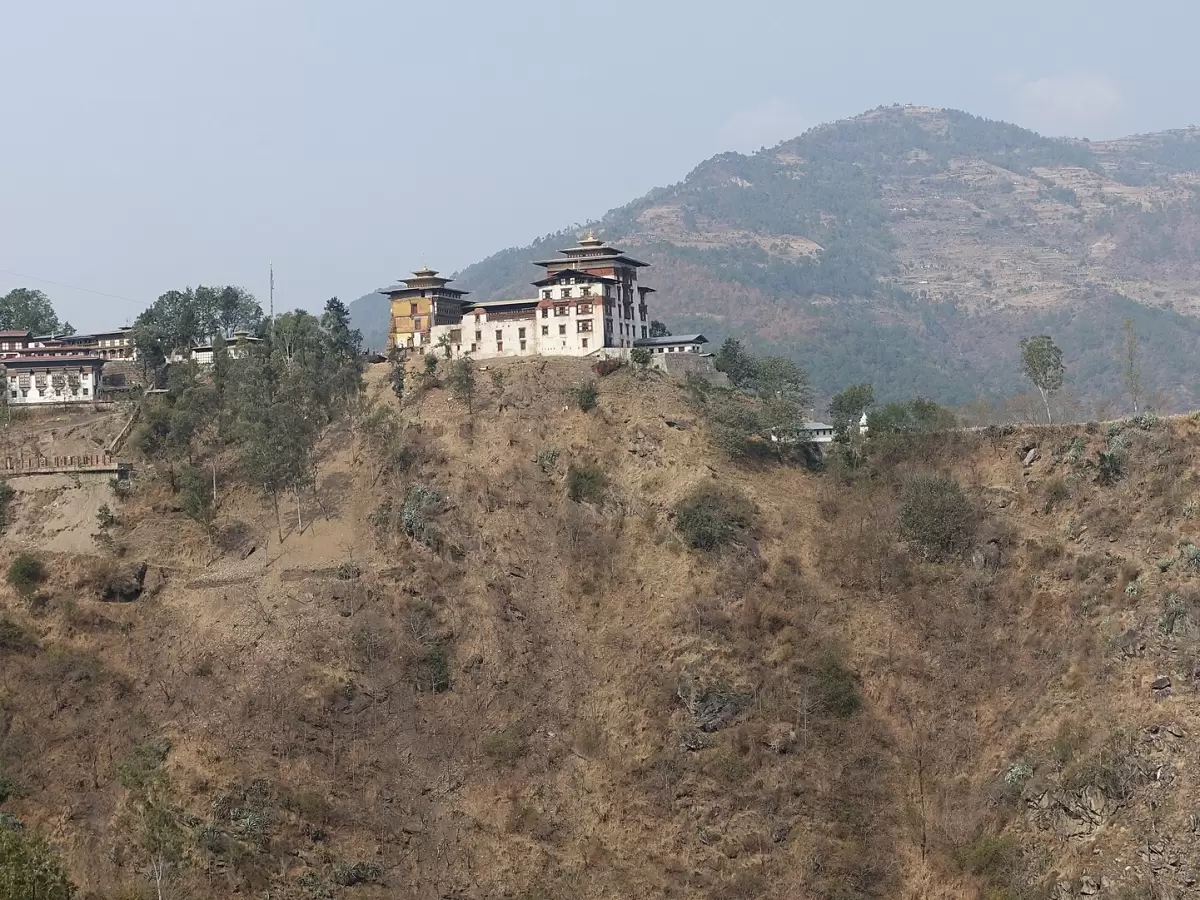
The festival
What happens
Gom Kora stands beside the Drangme Chhu on the road from Trashigang to Trashi Yangtse: a small temple in a garden of banana and bougainvillea, and behind it a black rock the size of a house. The name means what is done here. Gomphu is a place of meditation, and kora is the walk round a holy place that Buddhists make, always keeping it on the right.
The story is that in the 8th century a demon fled from Samye in Tibet and hid in this rock, and that Guru Rinpoche followed it, meditated in the cave beneath the rock for three days, and subdued it. Marks on the rock are shown as the print of his body and of his hat. A temple was built beside it in later centuries.
What happens
The festival is held for three days in the second month of the Bhutanese calendar, in March or April. There are masked dances by day, as at a tshechu. But the heart of it is the kora. As dusk falls, people begin to walk round the temple and the rock, saying prayers, and they go on until dawn, thousands of them, by the light of butter lamps.
There is a narrow passage through the rock, and pilgrims squeeze through it in the belief that those who can pass have been cleansed of their faults. Many come from far off. People of the Dakpa community of Tawang, in the Indian state of Arunachal Pradesh, cross the border on foot with their families and camp at the site, as they are said to have done for centuries.
It has always been a market and a meeting too. Herders come down from Merak and Sakteng, farmers sell what they have grown and woven, and it is a commonplace in the east that many marriages began at Gom Kora.
Practical notes
- The east is far from Paro: three days by road, or a domestic flight to Yonphula, which the weather often cancels. Most visitors come in by road from Guwahati in India.
- Gom Kora is low and warm. Nights in March are mild, and you can stay out for part of the kora without discomfort.
- Hotels in Trashigang and Trashi Yangtse are few and simple.
- Walk clockwise, with everyone else, and ask before photographing pilgrims.
See it for yourself
A trip planned around Gomphu Kora
A private trip, with your own guide and driver, timed so that you are there for the festival. Every day of it can be changed.
- 11 days / 10 nights
- Samdrup Jongkhar to Paro
From US$2,635 per person Enquire about this trip
-
Day 1
Arrive at Samdrup Jongkhar
Guwahati, in Assam, is the nearest airport, about three hours by road from the border. Your guide meets you at the gate at Samdrup Jongkhar, and the evening is free in this small, warm border town.
- Travel
- About 3 hours by road from Guwahati
- Overnight
- Samdrup Jongkhar
- Meals
- Dinner
-
Day 2
Samdrup Jongkhar to Trashigang
A full day on the road north, climbing out of the plains through forest to the ridges of the east. We stop at the weaving centre at Khaling and at Sherubtse College in Kanglung before the road drops to Trashigang.
- Travel
- 180 km, about 7 hours
- Altitude
- Trashigang, 1,160 m
- Overnight
- Trashigang
- Meals
- Breakfast, lunch, dinner
-
Day 3
Gomphu Kora
We drive north along the river to Gom Kora for the day's dances and the market, return to Trashigang to rest, and go back at dusk for the kora. Stay as long into the night as you like: your guide and driver stay with you.
- Travel
- 23 km, under an hour
- Altitude
- Trashigang, 1,160 m
- Overnight
- Trashigang
- Meals
- Breakfast, lunch, dinner
-
Day 4
Trashi Yangtse and Chorten Kora
We follow the river north to Trashi Yangtse to see Chorten Kora, the great white stupa beside the Kholong Chhu, and the school where the traditional arts of the east are taught, among them the turning of wooden bowls.
- Travel
- 112 km there and back, about 4 hours of driving
- Altitude
- Trashi Yangtse, 1,750 m
- Overnight
- Trashigang
- Meals
- Breakfast, lunch, dinner
-
Day 5
Trashigang to Mongar
We visit Trashigang Dzong on its spur above the river in the morning, then drive west over Kori La to Mongar.
- Travel
- 90 km, 3 to 4 hours
- Altitude
- Mongar, 1,600 m
- Overnight
- Mongar
- Meals
- Breakfast, lunch, dinner
-
Day 6
Over Thrumshing La to Bumthang
The longest drive of the trip and the finest: down to the Kuri Chhu, then up through cliffs and forest to Thrumshing La, the highest road pass on the highway, and down past Ura into Bumthang.
- Travel
- 198 km, 7 to 8 hours
- Altitude
- Bumthang, 2,600 m
- Overnight
- Bumthang
- Meals
- Breakfast, lunch, dinner
-
Day 7
The temples of Bumthang
We visit Jambay Lhakhang, one of the oldest temples in the country, walk on to Kurjey Lhakhang and cross the river to Tamshing Lhakhang.
- Altitude
- Bumthang, 2,600 m
- Overnight
- Bumthang
- Meals
- Breakfast, lunch, dinner
-
Day 8
Fly to Paro
The flight to Paro takes about 25 minutes. In the afternoon we visit the National Museum and Rinpung Dzong.
- Travel
- Flight of about 25 minutes
- Altitude
- Paro, 2,200 m
- Overnight
- Paro
- Meals
- Breakfast, lunch, dinner
-
Day 9
Hike to Tiger's Nest
We walk up to Taktsang in the morning, with a rest at the teahouse on the way, and visit Kyichu Lhakhang in the afternoon.
- Travel
- About 7 km on foot, 4 to 5 hours
- Altitude
- Tiger's Nest, 3,120 m
- Overnight
- Paro
- Meals
- Breakfast, lunch, dinner
-
Day 10
Thimphu
An hour's drive brings us to the capital for the day: the Buddha Dordenma, the National Memorial Chorten and the weekend market if it is on. We return to Paro in the evening.
- Travel
- 108 km there and back, about 2 hours of driving
- Altitude
- Thimphu, 2,334 m
- Overnight
- Paro
- Meals
- Breakfast, lunch, dinner
-
Day 11
Depart from Paro
Your guide and driver take you to the airport after breakfast.
- Meals
- Breakfast
Prices
What the trip costs
| Group size | Price in US dollars |
|---|---|
| Solo traveller | US$3,505 |
| 2 travellers | US$2,835 per person |
| 3 or more travellers | US$2,635 per person |
Prices are per person in US dollars and include the Sustainable Development Fee and the visa fee. The domestic flight from Bumthang to Paro is not included: it is charged at the airline's fare.
This trip runs privately, on the dates of the festival. Festival dates are tentative until the year itself, so confirm them with us before you book flights.
Included
- Sustainable Development Fee (US$100 per person per night)
- Bhutan visa fee (US$40) and visa processing
- 3-star hotels, in a twin or double room
- All meals: breakfast, lunch and dinner
- Licensed English-speaking guide throughout
- Private vehicle and driver, including airport transfers
- Bottled water in the vehicle
Not included
- Entry fees for monuments and museums, about US$90 per person
- Flights to and from Paro
- Domestic flight from Bumthang to Paro
- Travel insurance
- Tips for your guide and driver
- Drinks, laundry and personal spending
- Single room supplement, US$35 per room per night
See it for yourself
Other trips that fit this festival
Any of these can be timed to the festival dates. Tell us which days you want to be there.
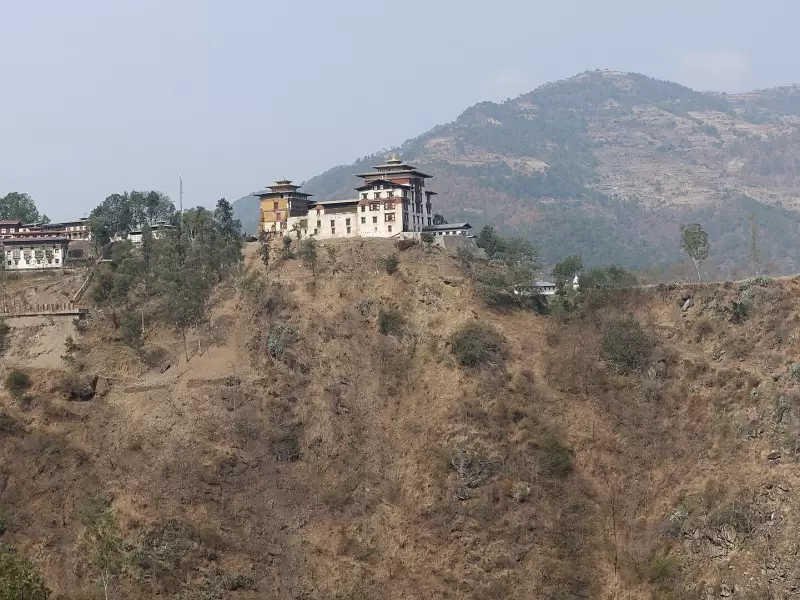
Cultural tour
Bhutan from East to West
Trashigang and the east, Bumthang, Trongsa and 1 more
Seventeen days across the whole country, out to Trashigang and the weaving villages of the east and back to Paro.
Where
Gom Kora Lhakhang, Trashi Yangtse
- Trashigang The nearest town; Gom Kora is to the north, beside the river
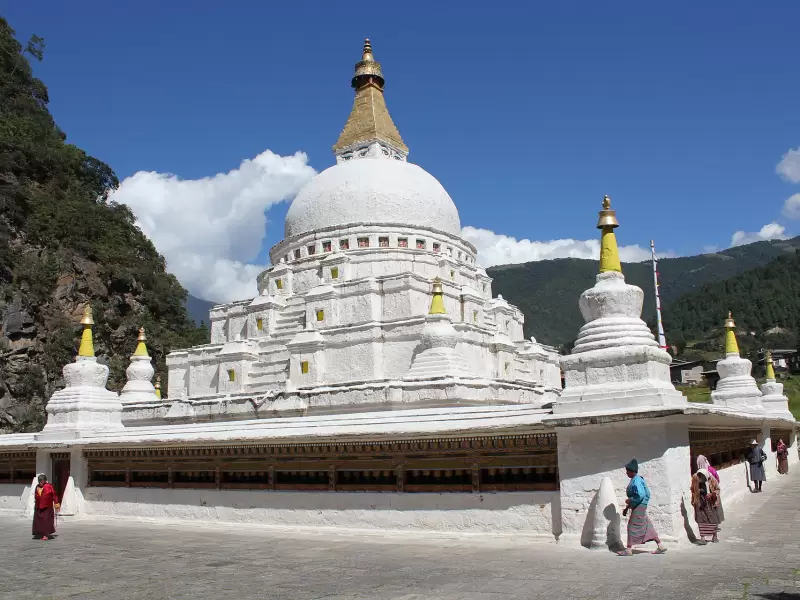
Trashiyangtse
Chorten Kora, wintering cranes and wooden bowls
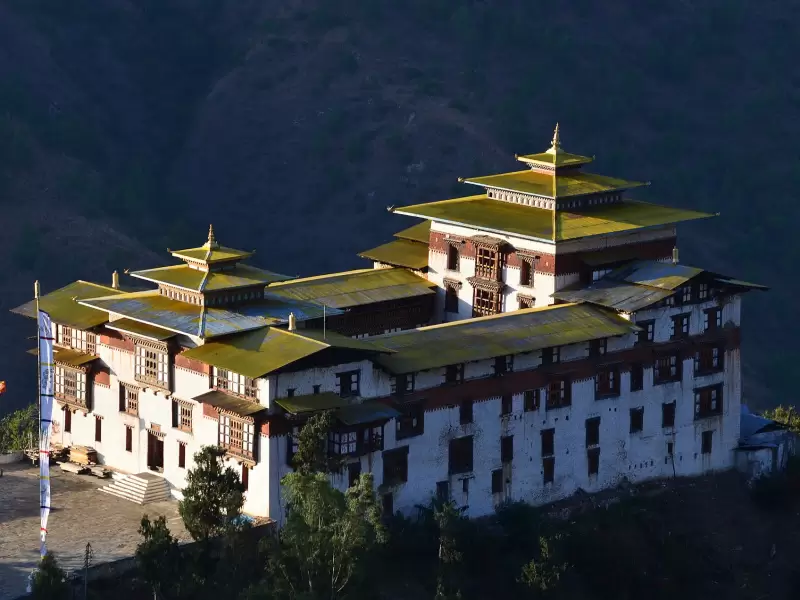
Trashigang and the east
Weaving villages, pilgrim sites and long roads
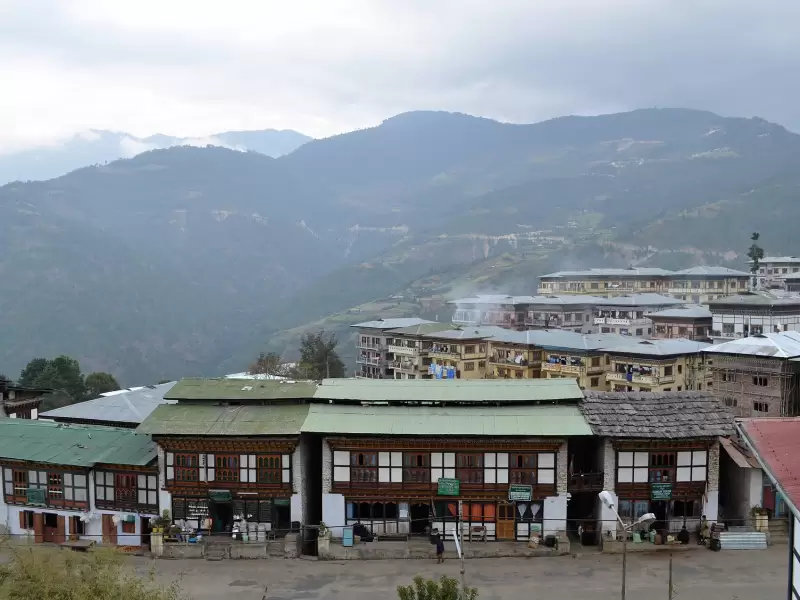
Mongar
Over Thrumshing La into the east
Questions
Asked about this festival
Are festival dates fixed?
Most are not. Bhutan’s festivals follow the lunar calendar, so they fall on different dates each year. The Department of Tourism and the Association of Bhutanese Tour Operators publish a list for each year and label it tentative, because dates can still move.
Our festival calendar shows the official dates and the day we last checked them. Confirm with us before you book flights. The Black-Necked Crane Festival is the exception: it is held on 11 November every year. If you are deciding between festivals, read how to choose a Bhutan festival.
Can I take photographs at a festival?
Yes, in the courtyard or festival ground, from where you are sitting. Do not step into the dance area or block other people’s view, and ask before photographing anyone at close range. Photography is never allowed inside temples and shrines.
A few rituals may not be photographed at all, among them the midnight Tercham at Jambay Lhakhang. Your guide will tell you. Drones are not permitted.
What should I wear to a festival?
A festival is a religious occasion and Bhutanese come in their best clothes. Wear long sleeves and full-length trousers or a long skirt, and take off your hat inside a dzong. You will be sitting on stone for hours, often in strong sun, so bring a cushion, a sun hat for outside the dzong, water and a warm layer for the early morning.
Enquire
Plan a trip around Gomphu Kora
Hotels near festival grounds fill early. Tell us your dates and we will check what is still available.