
Luxury and special interest
Bhutan Photography Tour
Western Bhutan, timed for the light
- 8 days / 7 nights
- Easy
- Up to 3,120 m
- Mar–May, Oct–Dec
Overview
What this trip is like
Most tours of Bhutan are planned around opening hours and driving times. This one is planned around the light. It follows the same road as our other trips through the west of the country, from Thimphu over Dochu La to Punakha and the Phobjikha valley and back to Paro, but it reaches each place at the hour when it looks its best, and gives you time to wait there.
So some mornings start before dawn, and some afternoons are left empty for the last hour of sun. We are on Dochu La for sunrise, when the mountains are clearest. Punakha has two nights, so that you can photograph the dzong in the evening and the valley in the morning. In Phobjikha we are out at first light, when mist lies on the valley floor. And we climb to Tiger’s Nest later than most walkers do, because in the morning the sun is behind the cliff and the monastery stands in shade.
You do not need to be an expert, or to carry anything more than the camera or phone you already use. The trip is private, so the vehicle stops when you ask and nobody is waiting for you to finish. Your guide knows where photography is welcome and where it is not, and will ask on your behalf before you photograph someone at close range.
A few rules apply everywhere in Bhutan. Photography is not allowed inside temples and shrine rooms, though courtyards and the outsides of buildings are fine. Drones are not permitted for visitors.
October to December bring the clearest skies and the best mountain views. Spring, from March to May, has rhododendrons on the passes and jacaranda in flower at Punakha Dzong. If you would like to photograph a festival, we can move the dates to take in one of the tshechus.
Itinerary
Day by day
-
Day 1
Arrive in Paro and drive to Thimphu
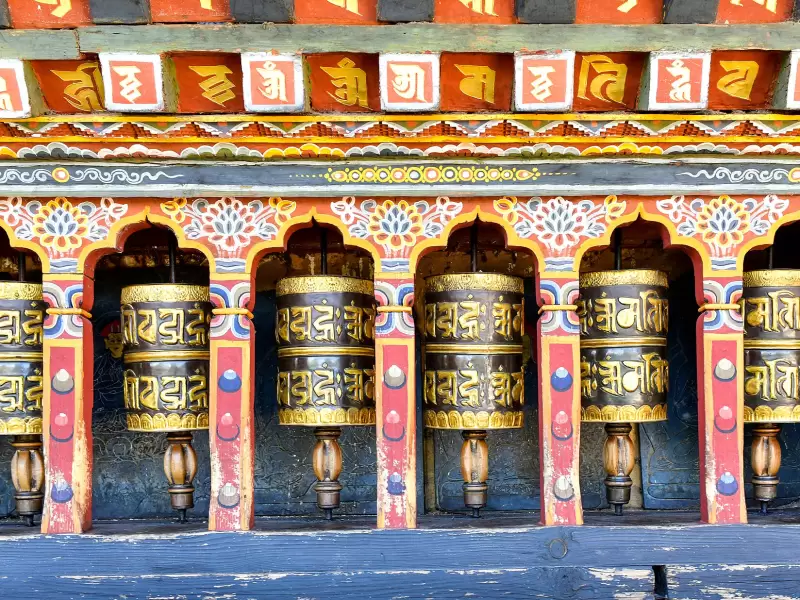
Your guide meets you at the airport and we drive to Thimphu, an hour away. The first afternoon is kept short, to let you get used to the altitude. We visit Changangkha Lhakhang, where families bring newborn babies to be blessed and the prayer wheels along the wall are rarely still.
At dusk we walk round the National Memorial Chorten. People come here at the end of the day to circle the shrine with prayer beads and hand-held prayer wheels, and the butter lamps are lit as the light goes.
- Travel
- 54 km, about 1 hour
- Altitude
- Thimphu, 2,334 m
- Overnight
- Thimphu
- Meals
- Lunch, dinner
-
Day 2
Thimphu
We are at the Buddha Dordenma first thing, while the wide stone terrace around the statue is still empty. The rest of the morning is for people at work: the students of the National Institute for Zorig Chusum, who learn painting, wood carving, embroidery and the other traditional arts, and are used to visitors watching them. If your dates include a weekend, the farmers' market by the river is the most colourful place in town.
Tashichho Dzong opens to visitors in the late afternoon, once the offices inside have closed, and its courtyard is at its best in the last of the light. We end at the Sangaygang viewpoint above the town as the lamps come on below.
- Altitude
- Thimphu, 2,334 m
- Overnight
- Thimphu
- Meals
- Breakfast, lunch, dinner
-
Day 3
Sunrise on Dochu La, then Punakha
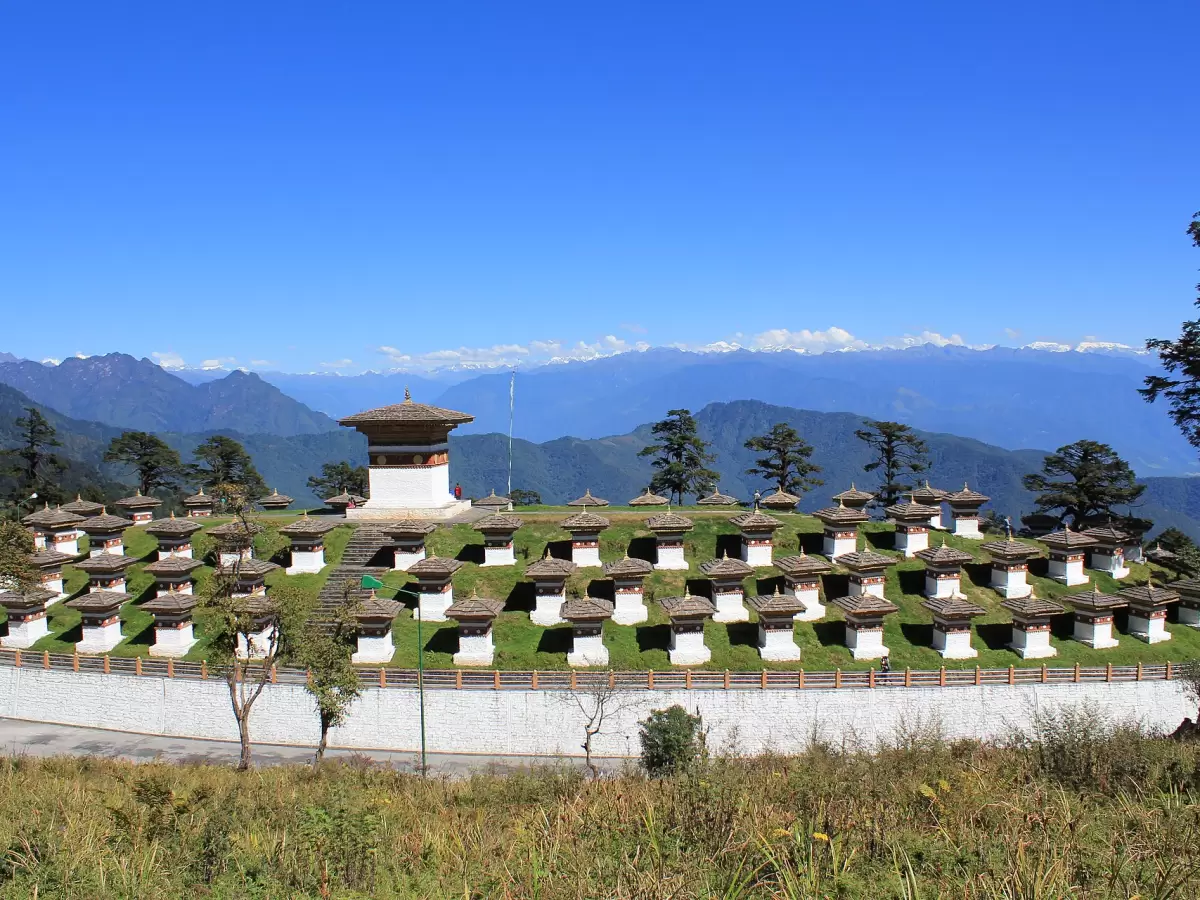
We leave the hotel in the dark, to be on Dochu La as the sun comes up. The pass is 45 minutes from Thimphu, at 3,100 m. In clear weather the mountains along the northern border stand in a line behind the 108 chortens, and the first light reaches the peaks before it reaches the pass. Cloud often builds by the middle of the morning, which is why we come early. Nobody can promise the view: on some mornings the pass is in cloud, and the chortens in mist make a different picture.
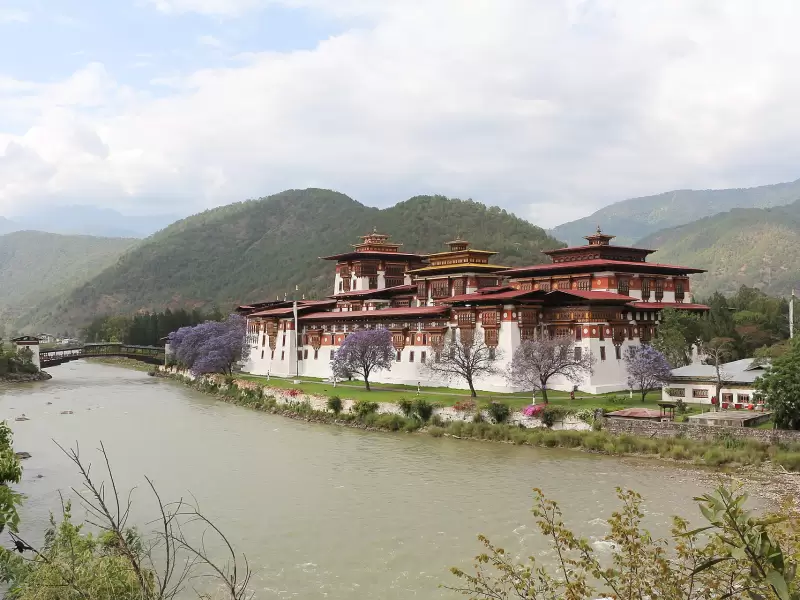
The road then drops more than 1,800 m to Punakha. After lunch and a rest we go to Punakha Dzong, built in 1637 where two rivers meet. We photograph it first from the far bank, with the covered bridge in front of it, and then go into the courtyards. The light is warmest in the last hour before the dzong closes.
- Travel
- 76 km, 2 to 3 hours
- Altitude
- Dochu La, 3,100 m; Punakha, 1,242 m
- Overnight
- Punakha
- Meals
- Breakfast, lunch, dinner
-
Day 4
A day in the Punakha valley
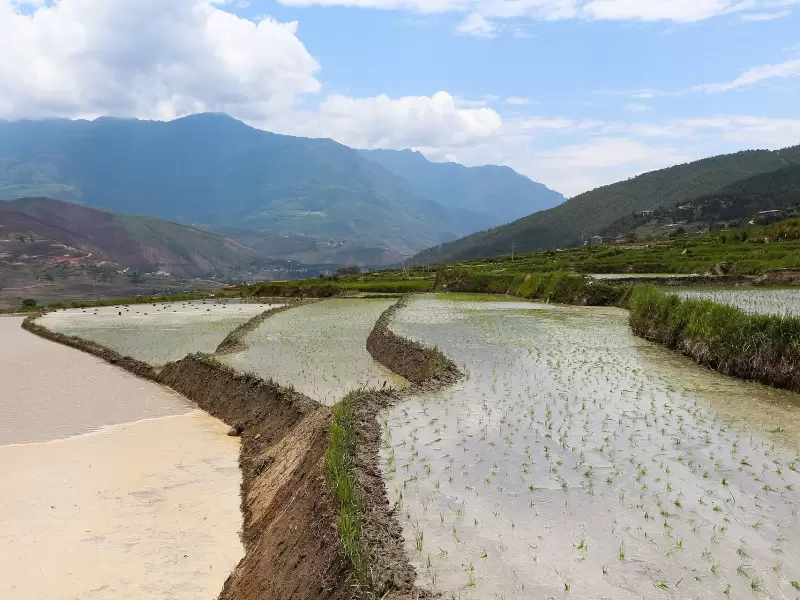
With no drive to make, the day follows the light. We start early with the walk to Khamsum Yulley Namgyal Chorten: across a footbridge, up through rice terraces, to a ridge that looks down the Mo Chhu valley. The terraces are flooded and bright when the rice is planted in early summer, green through the rains, and gold in October before the harvest.
We rest through the middle of the day, when the light is flat and the valley is hot. Later we cross the suspension bridge upstream of the dzong, about 160 m from bank to bank and hung with prayer flags, and walk through the fields to Chimi Lhakhang. Farmers, schoolchildren and pilgrims use the same path, and the late afternoon is the time to be on it.
- Altitude
- Punakha, 1,242 m
- Overnight
- Punakha
- Meals
- Breakfast, lunch, dinner
-
Day 5
Punakha to the Phobjikha valley
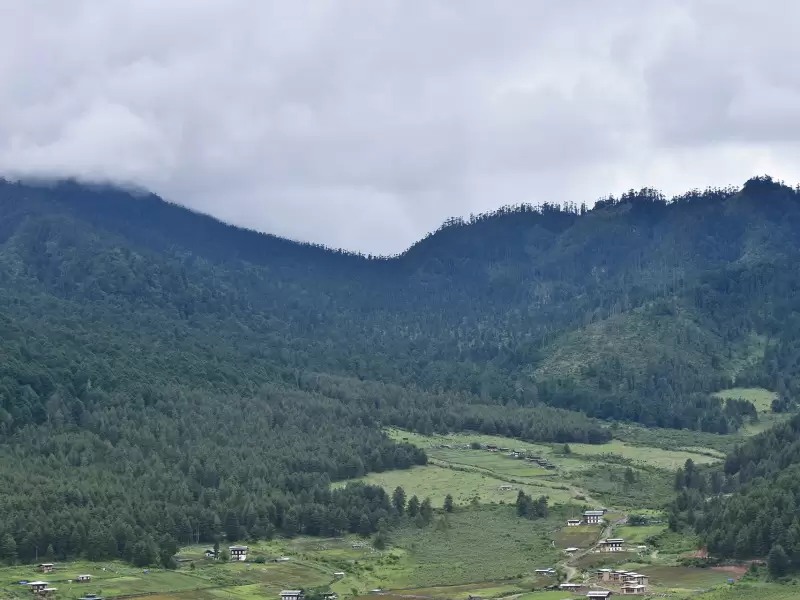
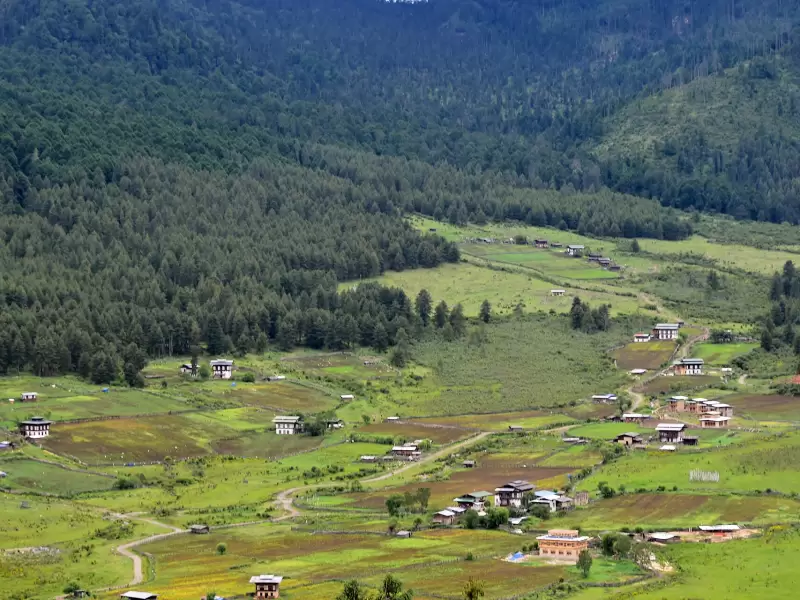
We drive south past Wangdue Phodrang and then climb for two hours through forest that changes with every few hundred metres of height. Phobjikha opens out suddenly at the top: a wide valley floor at 3,000 m, with farmhouses along its edges.
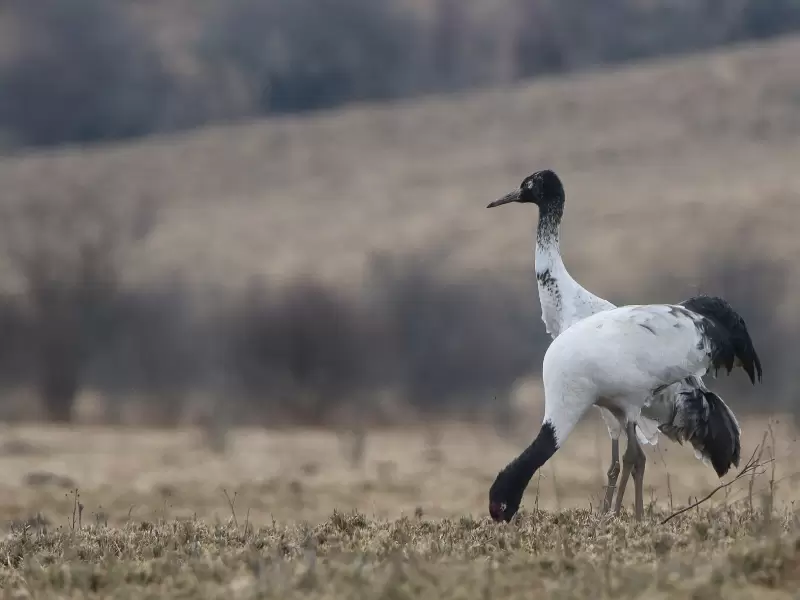
We visit Gangtey Goenpa, the monastery on the ridge, and walk part of the valley trail towards dusk. From November to March the black-necked cranes winter here, and in the evening they fly in from the fields to roost. A long lens helps, because nobody may go near the birds.
- Travel
- 75 km, 2 to 3 hours
- Altitude
- Phobjikha, 3,000 m
- Overnight
- Phobjikha
- Meals
- Breakfast, lunch, dinner
-
Day 6
First light in Phobjikha, then back to Paro
The valley is at its best in the first hour of the day, when mist lies on the marsh and, in the colder months, frost on the fields. We are out before breakfast and come back to the hotel to warm up.
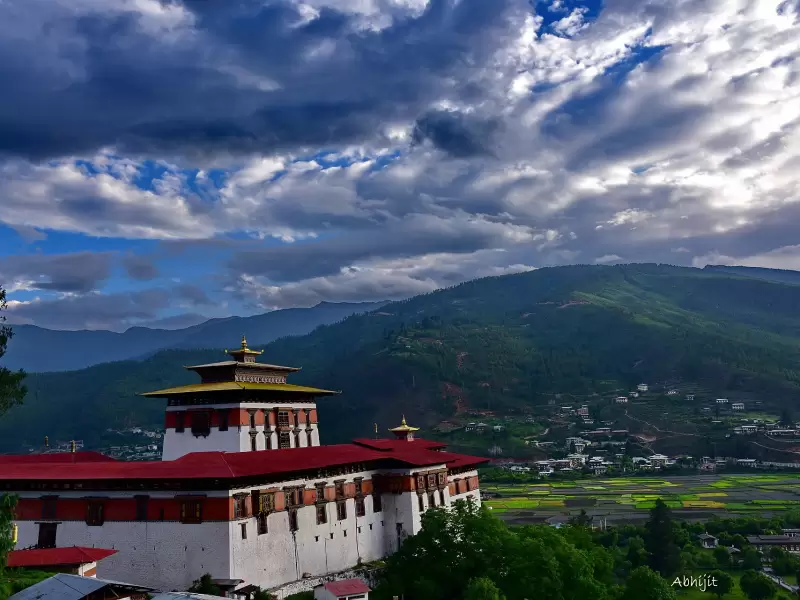
Then comes the one long drive of the trip, five to six hours back over Dochu La to Paro, with a second chance at the mountain view on the way. We reach Paro in the late afternoon. After dark Rinpung Dzong is lit, and the view of it from across the river is worth staying out for.
- Travel
- 185 km, 5 to 6 hours
- Altitude
- Paro, 2,200 m
- Overnight
- Paro
- Meals
- Breakfast, lunch, dinner
-
Day 7
Tiger's Nest in the afternoon light
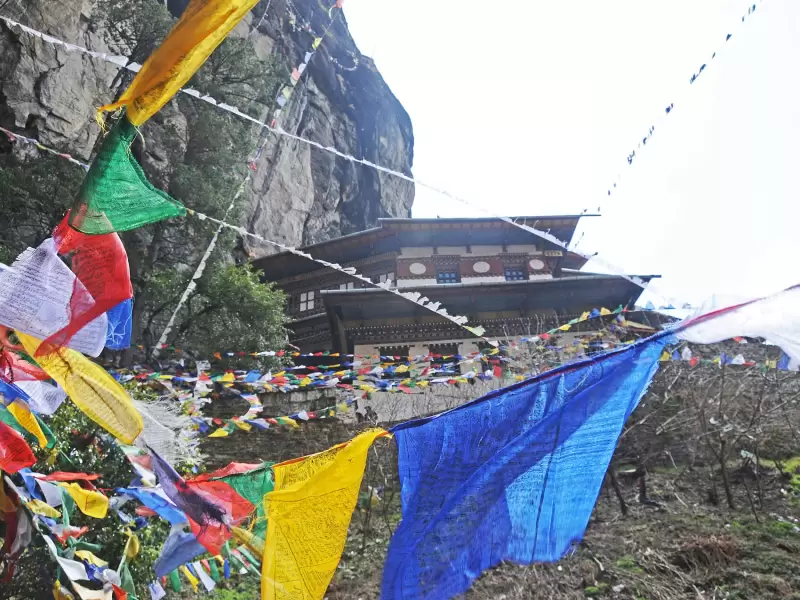
Most walkers set out for Taktsang at first light. We do not, because in the morning the sun is behind the cliff and the monastery is in shade. We spend the first hours at Kyichu Lhakhang, one of the oldest temples in the country, where elderly pilgrims sit turning the prayer wheels, and start the climb in the middle of the morning.
The trail rises through blue pine to a teahouse, and then to the viewpoint level with the monastery, which we reach when the light has come round onto its walls. Cameras and phones are left at the gate before you go into the temples themselves. We are back down by late afternoon.
- Travel
- About 7 km on foot, 4 to 5 hours
- Altitude
- Tiger's Nest, 3,120 m
- Overnight
- Paro
- Meals
- Breakfast, lunch, dinner
-
Day 8
Depart from Paro
Your guide and driver take you to the airport and stay until you are checked in.
- Meals
- Breakfast
Route
Where you go
- Paro airport Arrival and departure
- Thimphu Nights 1 and 2
- Dochu La Sunrise on day 3, 3,100 m
- Punakha Nights 3 and 4
- Phobjikha Night 5
- Paro Nights 6 and 7
- Tiger's Nest Day 7 hike
Prices
What it costs
| Group size | Price in US dollars |
|---|---|
| Solo traveller | US$2,415 |
| 2 travellers | US$1,995 per person |
| 3 or more travellers | US$1,855 per person |
Prices are per person in US dollars and include the Sustainable Development Fee and the visa fee.
Departures
This trip runs privately on any date you choose. Tell us when you would like to travel.
Included
- Sustainable Development Fee (US$100 per person per night)
- Bhutan visa fee (US$40) and visa processing
- 3-star hotels, in a twin or double room
- All meals: breakfast, lunch and dinner
- Licensed English-speaking guide throughout
- Private vehicle and driver, including airport transfers
- Bottled water in the vehicle
Not included
- Entry fees for monuments and museums, about US$65 per person
- Flights to and from Paro
- Travel insurance
- Tips for your guide and driver
- Drinks, laundry and personal spending
- Single room supplement, US$35 per room per night
Photographs
On the way
Questions
Asked about this trip
Where can I take photographs in Bhutan?
Almost anywhere out of doors: the landscape, the towns, the outsides of dzongs and temples, and their courtyards. Photography is not allowed inside temples and shrine rooms, and at Tiger’s Nest cameras and phones are left at the gate before you go in.
Ask before you photograph anyone at close range. Most people say yes, and your guide will ask for you. Drones are not permitted for visitors. Our photography tour is planned around the hours when each place looks its best.
When is the best time to visit Bhutan?
Spring (March to May) and autumn (September to November) have the most settled weather and are the busiest months. Spring brings rhododendrons and Paro Tshechu. Autumn brings the clearest mountain views and Thimphu Tshechu.
Winter is cold but dry and sunny, with few visitors, and it is the season for black-necked cranes and the Punakha festivals. Summer is the monsoon: green and quiet, with cloud on the passes. Our month-by-month guide goes into detail.
How hard is the hike to Tiger’s Nest?
It is a steady uphill walk, not a climb. The round trip is about 7 km and most people take four to five hours including the visit. The path is wide and well used, a teahouse marks the halfway point, and the last stretch is a long flight of stone steps down and then up again. From the car park, at about 2,600 m, you gain a little over 500 m to reach the monastery at 3,120 m.
Anyone used to walking for a couple of hours can manage it at their own pace. Go slowly, because the air is thin. There is more in our guide to the hike.
Enquire
Ask us about Bhutan Photography Tour
Tell us your dates and how many of you there are. Anything in the itinerary can be changed.
On this trip
Places and festivals
Punakha
The old capital, where two rivers meet
Phobjikha
The valley of the black-necked cranes
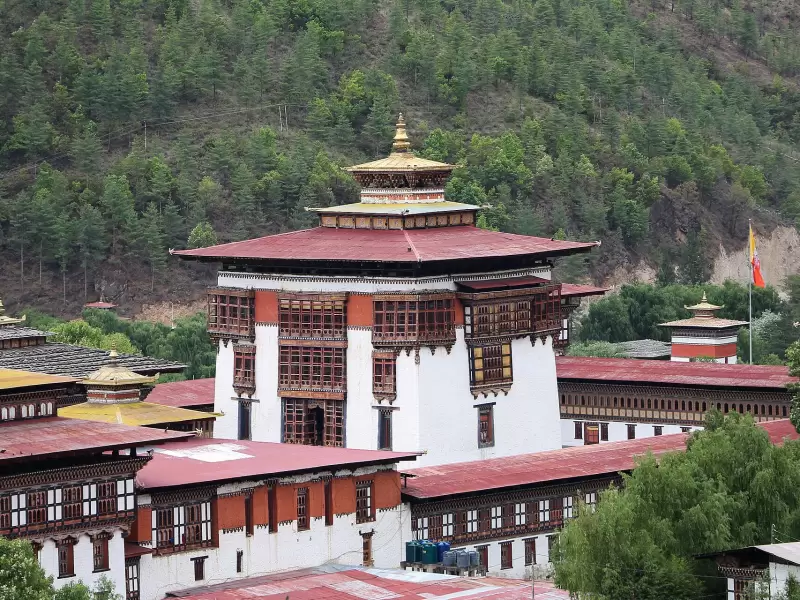
Thimphu
The capital, small enough to walk
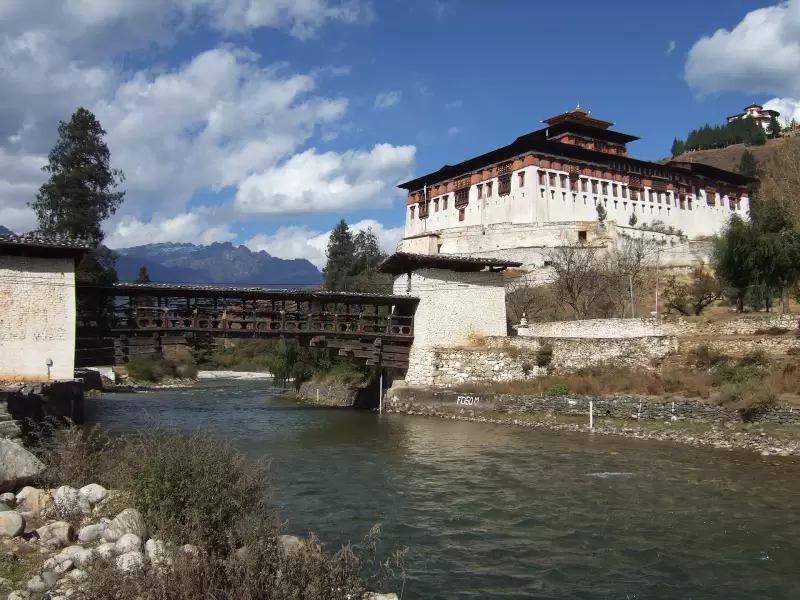
Paro
Tiger's Nest, Rinpung Dzong and the start of the trails
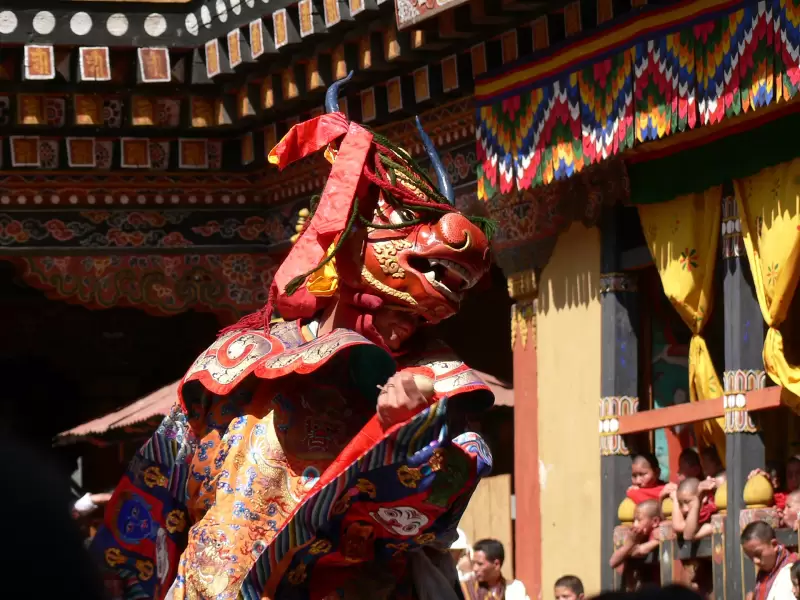
Paro Tshechu
Five days of masked dances at Rinpung Dzong
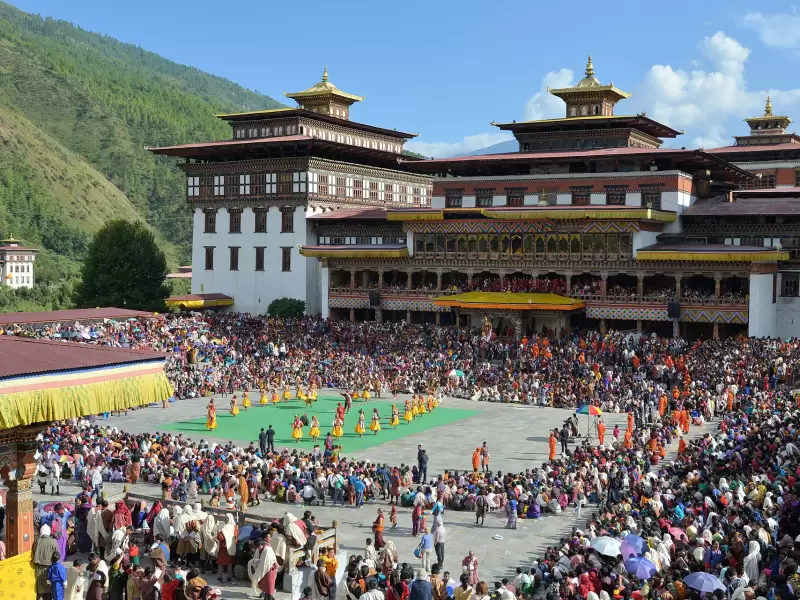
Thimphu Tshechu
The capital's festival, at Tashichho Dzong
Compare
Similar trips
Luxury and special interest
Bhutan in Luxury
Thimphu, Punakha, Paro
A week in Thimphu, Punakha and Paro at an unhurried pace, staying in Bhutan's five-star lodges.
Luxury and special interest
Bhutan Honeymoon Tour
Punakha, Phobjikha, Paro and 1 more
Ten unhurried days for two in western Bhutan: at least two nights in every valley, short drives, and afternoons left free.
Keep looking
All our tours and treks
Every trip can be changed to fit your dates and pace. Open any of them from here.
Cultural tours
- Bhutan Short Trip 4 days / 3 nights
- Western Valleys Discovery 5 days / 4 nights
- Bhutan Signature Journey 6 days / 5 nights
- Complete Western Bhutan 7 days / 6 nights
- Bhutan Highlands Explorer 8 days / 7 nights
- Heart of the Himalayas 9 days / 8 nights
- Bhutan Grand Cultural Tour 10 days / 9 nights
- Kingdom in Full 11 days / 10 nights
- Bhutan from East to West 17 days / 16 nights
Festival tours
- Paro Tshechu Festival Tour 8 days / 7 nights
- Thimphu Tshechu Festival Tour 8 days / 7 nights
- Punakha Drubchen and Tshechu Festival Tour 7 days / 6 nights
- Jambay Lhakhang Drup Festival Tour 10 days / 9 nights
- Black-Necked Crane Festival Tour 8 days / 7 nights
Luxury and special interest
- Bhutan in Luxury 7 days / 6 nights
- Bhutan Photography Tour 8 days / 7 nights
- Bhutan Honeymoon Tour 10 days / 9 nights
Treks
- Bumdra Trek 7 days / 6 nights
- Tsaluna Trek 9 days / 8 nights
- Druk Path Trek 11 days / 10 nights
- Dagala Thousand Lakes Trek 10 days / 9 nights
- Soi Yaksa Trek 12 days / 11 nights
- Jomolhari Trek 11 days / 10 nights
- Laya–Gasa Trek 18 days / 17 nights
- Snowman Trek 29 days / 28 nights