
Festival tour
Punakha Drubchen and Tshechu Festival Tour
Two festivals at Punakha Dzong, in the mild days of late winter
- 7 days / 6 nights
- Easy
- Up to 3,120 m
- Feb–Mar
Overview
What this trip is like
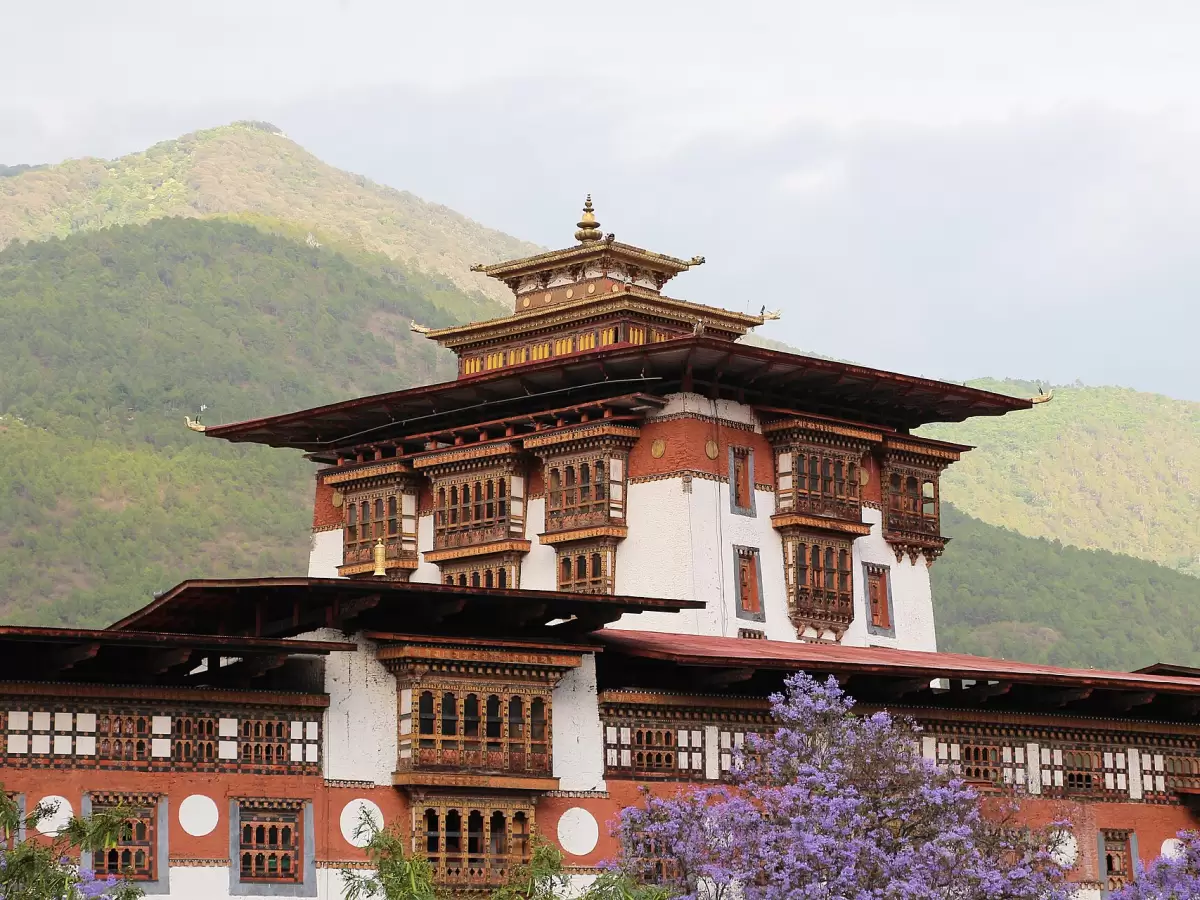
Punakha holds two festivals back to back at the end of winter. The Drubchen comes first. Its final day re-enacts a 17th-century victory over an invading Tibetan army, with local men, the pazaps, dressed as the warriors of the time. The Tshechu follows straight after, with masked dances in the courtyards of the dzong.
This trip catches the last day of one and the first day of the other. It suits winter well: Punakha lies at only 1,242 m, so the days are mild when Thimphu and Paro are cold, the skies are usually clear, and there are fewer visitors than in spring or autumn.
In 2027 the Drubchen is listed for 13 to 15 February and the Tshechu for 16 to 18 February, so the trip would start on 13 February and end on 19 February. The dates are tentative and follow the lunar calendar. We confirm them with you before you book flights.
The background to both festivals is on our Punakha Drubchen and Tshechu page.
Itinerary
Day by day
-
Day 1
Arrive in Paro and drive to Thimphu
Winter flights into Paro often have the best mountain views of the year. Your guide meets you at the airport and we drive to Thimphu, where the afternoon takes in the National Memorial Chorten and the Buddha Dordenma. Evenings are cold in February, so keep a warm jacket to hand.
- Travel
- 54 km, about 1 hour
- Altitude
- Thimphu, 2,334 m
- Overnight
- Thimphu
- Meals
- Lunch, dinner
-
Day 2
Thimphu
We visit the National Institute for Zorig Chusum, the Textile Museum and Changangkha Lhakhang, and drive up to the Takin Preserve. Tashichho Dzong is quieter than usual at this season, because the monastic body has moved to Punakha for the winter.
- Altitude
- Thimphu, 2,334 m
- Overnight
- Thimphu
- Meals
- Breakfast, lunch, dinner
-
Day 3
Over Dochu La to the Drubchen
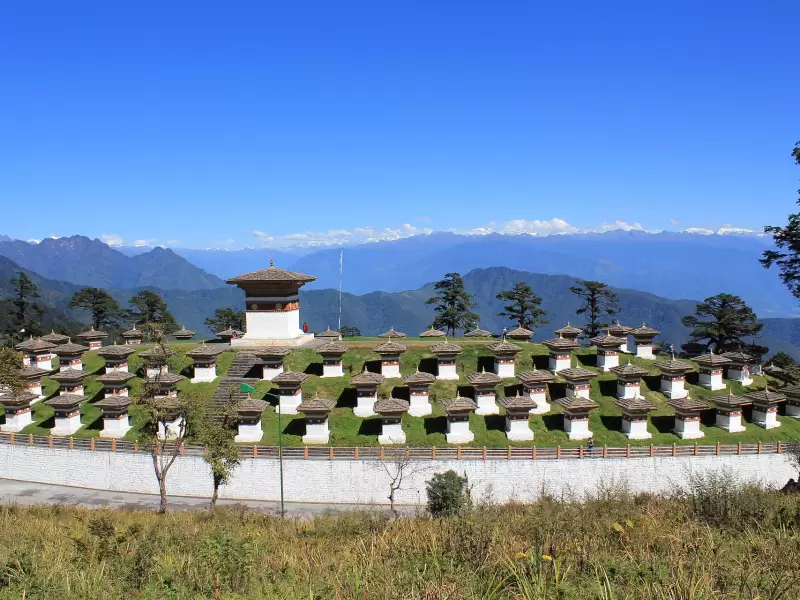
We leave early. Dochu La may have snow on the ground in February, and the view north is usually sharp. By late morning we are at Punakha Dzong for the last day of the Drubchen.
The pazaps gather in the courtyard in battle dress and act out the defence of the dzong against the Tibetan army. The day ends with a procession down to the Mo Chhu. Your guide tells the story as it unfolds.
- Travel
- 76 km, 2 to 3 hours
- Altitude
- Punakha, 1,242 m
- Overnight
- Punakha
- Meals
- Breakfast, lunch, dinner
-
Day 4
The first day of the Punakha Tshechu
The Tshechu opens the morning after the Drubchen ends. We watch the masked dances in the dzong's courtyard, among families who have come down from the hill villages for the day.
In the afternoon we walk across the fields to Chimi Lhakhang and drive upstream to the suspension bridge.
- Altitude
- Punakha, 1,242 m
- Overnight
- Punakha
- Meals
- Breakfast, lunch, dinner
-
Day 5
Khamsum Yulley walk, then on to Paro
We walk up to Khamsum Yulley Namgyal Chorten in the morning. The fields are bare at this time of year and the view up the Mo Chhu is wide. Then we drive back over Dochu La to Paro and visit Rinpung Dzong before dinner.
- Travel
- 128 km, 3 to 4 hours
- Altitude
- Paro, 2,200 m
- Overnight
- Paro
- Meals
- Breakfast, lunch, dinner
-
Day 6
Hike to Tiger's Nest
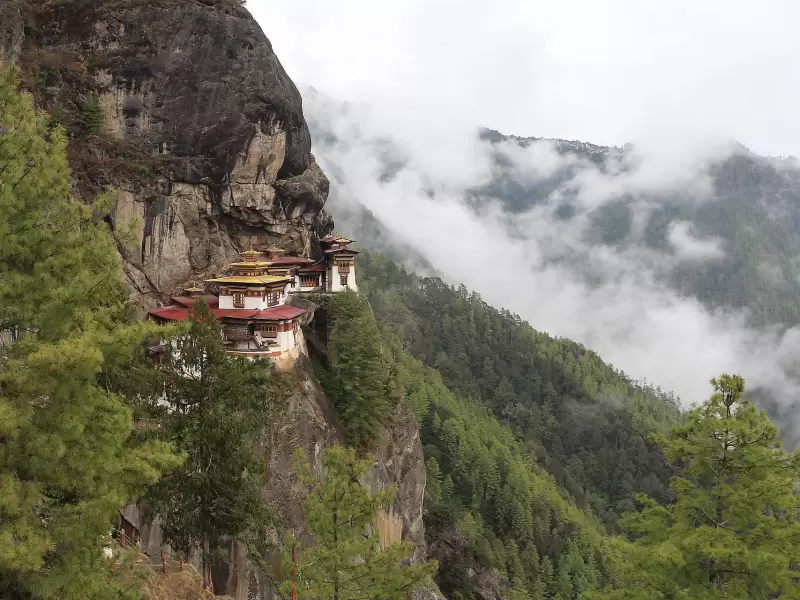
Winter is a good season for Taktsang. The air is cold and clear, the path is quiet, and there may be ice on the upper steps, so we take them carefully. After lunch we visit Kyichu Lhakhang and the National Museum.
- Travel
- About 7 km on foot, 4 to 5 hours
- Altitude
- Tiger's Nest, 3,120 m
- Overnight
- Paro
- Meals
- Breakfast, lunch, dinner
-
Day 7
Depart from Paro
Your guide and driver take you to the airport after breakfast.
- Meals
- Breakfast
Route
Where you go
- Paro airport Arrival and departure
- Thimphu Nights 1 and 2
- Dochu La 3,100 m
- Punakha Dzong Festival ground, nights 3 and 4 in Punakha
- Paro Nights 5 and 6
- Tiger's Nest Day 6 hike
Prices
What it costs
| Group size | Price in US dollars |
|---|---|
| Solo traveller | US$2,125 |
| 2 travellers | US$1,715 per person |
| 3 or more travellers | US$1,595 per person |
Prices are per person in US dollars and include the Sustainable Development Fee and the visa fee.
Departures
This trip runs privately on any date you choose. Tell us when you would like to travel.
Included
- Sustainable Development Fee (US$100 per person per night)
- Bhutan visa fee (US$40) and visa processing
- 3-star hotels, in a twin or double room
- All meals: breakfast, lunch and dinner
- Licensed English-speaking guide throughout
- Private vehicle and driver, including airport transfers
- Bottled water in the vehicle
Not included
- Entry fees for monuments and museums, about US$80 per person
- Flights to and from Paro
- Travel insurance
- Tips for your guide and driver
- Drinks, laundry and personal spending
- Single room supplement, US$35 per room per night
Photographs
On the way
Questions
Asked about this trip
Are festival dates fixed?
Most are not. Bhutan’s festivals follow the lunar calendar, so they fall on different dates each year. The Department of Tourism and the Association of Bhutanese Tour Operators publish a list for each year and label it tentative, because dates can still move.
Our festival calendar shows the official dates and the day we last checked them. Confirm with us before you book flights. The Black-Necked Crane Festival is the exception: it is held on 11 November every year. If you are deciding between festivals, read how to choose a Bhutan festival.
What should I wear to a festival?
A festival is a religious occasion and Bhutanese come in their best clothes. Wear long sleeves and full-length trousers or a long skirt, and take off your hat inside a dzong. You will be sitting on stone for hours, often in strong sun, so bring a cushion, a sun hat for outside the dzong, water and a warm layer for the early morning.
When is the best time to visit Bhutan?
Spring (March to May) and autumn (September to November) have the most settled weather and are the busiest months. Spring brings rhododendrons and Paro Tshechu. Autumn brings the clearest mountain views and Thimphu Tshechu.
Winter is cold but dry and sunny, with few visitors, and it is the season for black-necked cranes and the Punakha festivals. Summer is the monsoon: green and quiet, with cloud on the passes. Our month-by-month guide goes into detail.
Enquire
Ask us about Punakha Drubchen and Tshechu Festival Tour
Tell us your dates and how many of you there are. Anything in the itinerary can be changed.
On this trip
Places and festivals
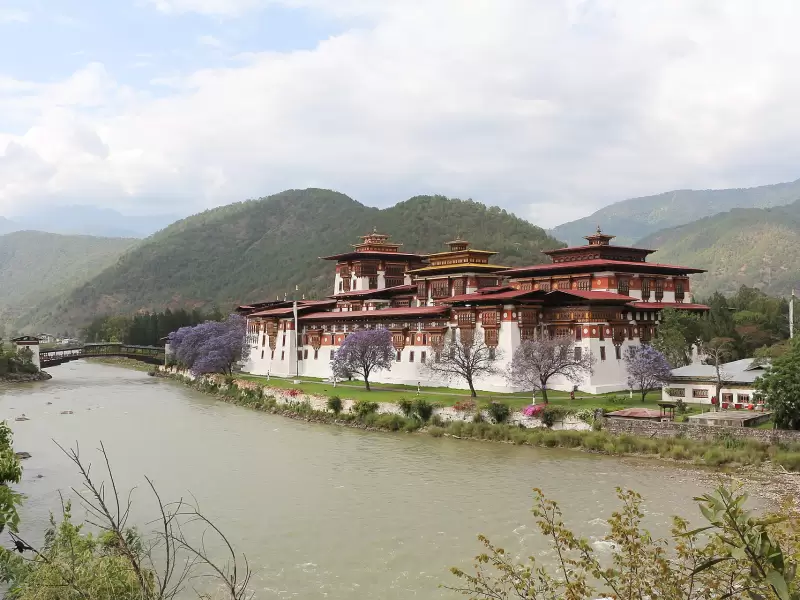
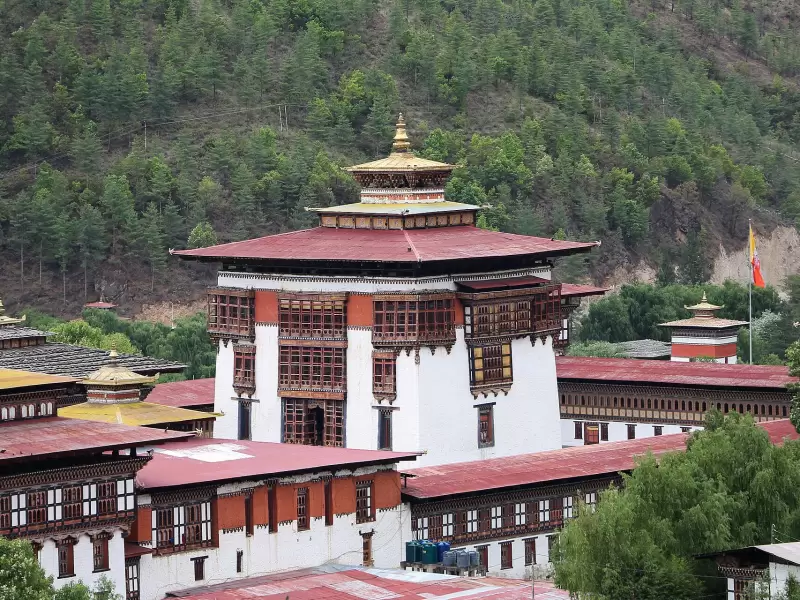
Punakha
The old capital, where two rivers meet
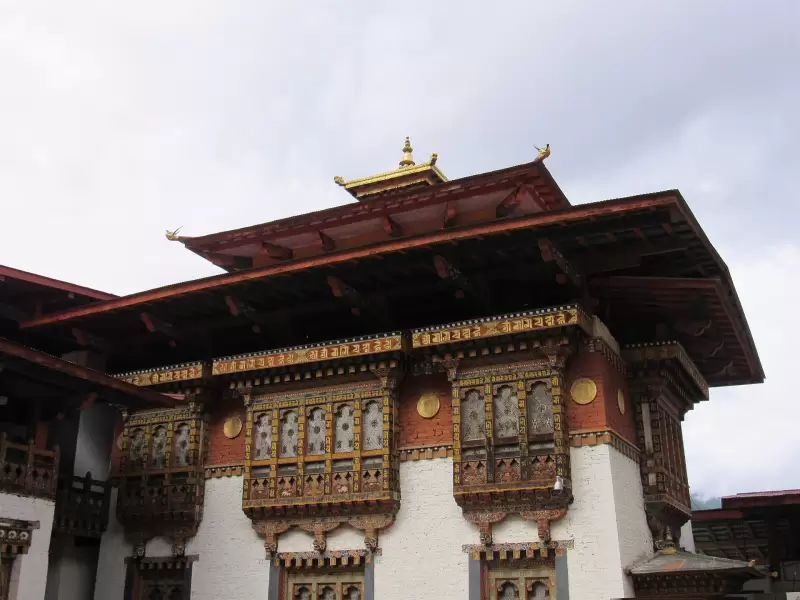
Thimphu
The capital, small enough to walk
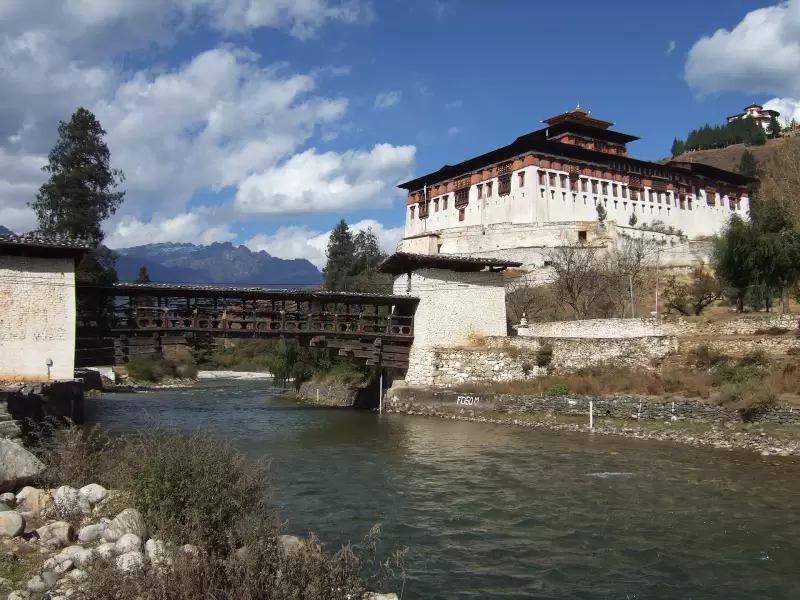
Paro
Tiger's Nest, Rinpung Dzong and the start of the trails
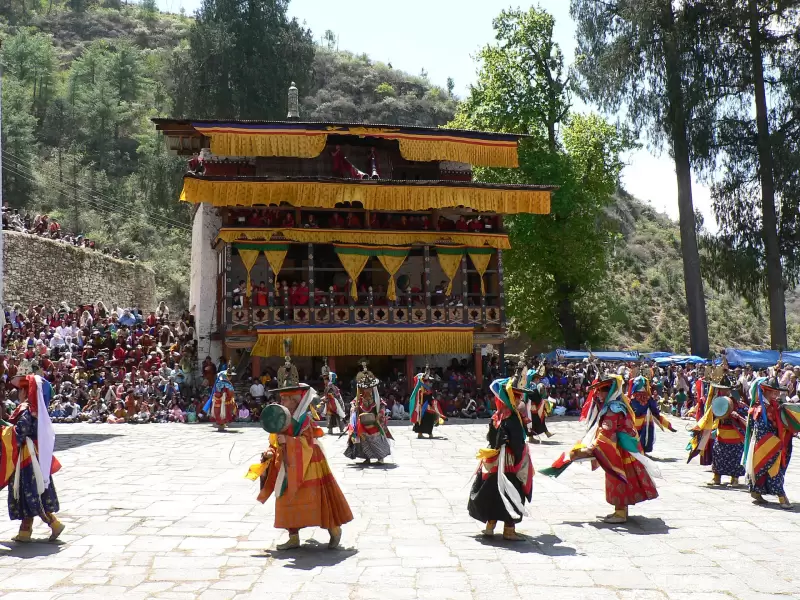
Punakha Drubchen and Tshechu
A battle re-enacted, then three days of masked dances
Compare
Similar trips
Festival tour
Paro Tshechu Festival Tour
Paro, Thimphu, Punakha
Eight days timed to the Paro Tshechu: Thimphu and Punakha first, then two days of masked dances and the thongdrel at dawn.
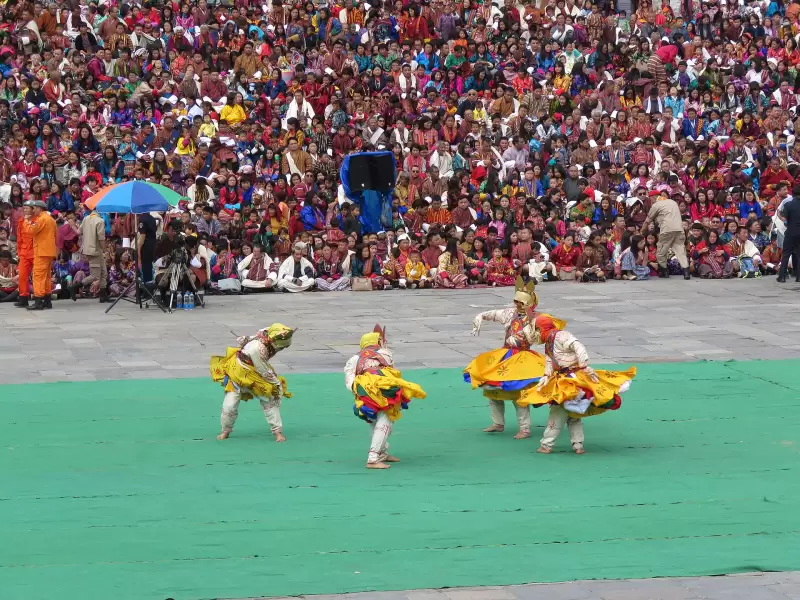
Festival tour
Thimphu Tshechu Festival Tour
Thimphu, Punakha, Phobjikha and 1 more
Eight days in the clear weather of autumn, with the capital's three-day tshechu and, when the dates allow, a village festival in Phobjikha.
Festival tour
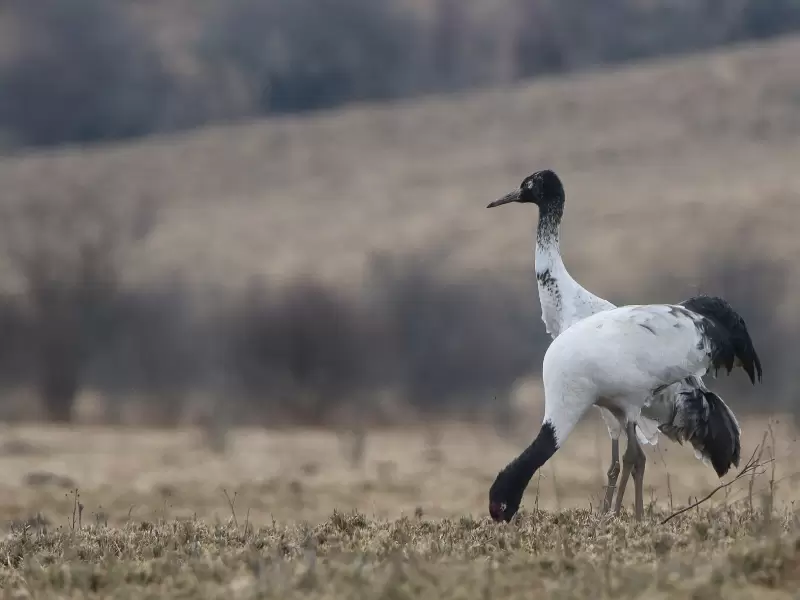
Black-Necked Crane Festival Tour
Phobjikha, Punakha, Thimphu and 1 more
Eight days with two nights in the Phobjikha valley, timed to the crane festival at Gangtey Goenpa on 11 November.
Keep looking
All our tours and treks
Every trip can be changed to fit your dates and pace. Open any of them from here.
Cultural tours
- Bhutan Short Trip 4 days / 3 nights
- Western Valleys Discovery 5 days / 4 nights
- Bhutan Signature Journey 6 days / 5 nights
- Complete Western Bhutan 7 days / 6 nights
- Bhutan Highlands Explorer 8 days / 7 nights
- Heart of the Himalayas 9 days / 8 nights
- Bhutan Grand Cultural Tour 10 days / 9 nights
- Kingdom in Full 11 days / 10 nights
- Bhutan from East to West 17 days / 16 nights
Festival tours
- Paro Tshechu Festival Tour 8 days / 7 nights
- Thimphu Tshechu Festival Tour 8 days / 7 nights
- Punakha Drubchen and Tshechu Festival Tour 7 days / 6 nights
- Jambay Lhakhang Drup Festival Tour 10 days / 9 nights
- Black-Necked Crane Festival Tour 8 days / 7 nights
Luxury and special interest
- Bhutan in Luxury 7 days / 6 nights
- Bhutan Photography Tour 8 days / 7 nights
- Bhutan Honeymoon Tour 10 days / 9 nights
Treks
- Bumdra Trek 7 days / 6 nights
- Tsaluna Trek 9 days / 8 nights
- Druk Path Trek 11 days / 10 nights
- Dagala Thousand Lakes Trek 10 days / 9 nights
- Soi Yaksa Trek 12 days / 11 nights
- Jomolhari Trek 11 days / 10 nights
- Laya–Gasa Trek 18 days / 17 nights
- Snowman Trek 29 days / 28 nights