
Festival
Rhododendron Week
A week in the highlands of the Brokpa
- 3–9 April 2027
- Sheytemi, Merak, Trashigang
The festival
What happens
Merak and Sakteng are two high valleys east of Trashigang, close to the border with Arunachal Pradesh. The people who live there, the Brokpa, are yak herders who move with their animals through the year. They speak their own language, and dress as no one else in Bhutan does: in red wool, with a hat of felted yak hair with five points to carry the rain away. The valleys were opened to visitors in 2010.
The whole area is Sakteng Wildlife Sanctuary. Of the 46 or so kinds of rhododendron that grow in Bhutan, 41 are found here, and in April the slopes are in flower.
The festival
Rhododendron Week is new. It was first held from 3 to 9 April 2025, and again on the same dates in 2026, when the King and Queen came to the opening. It is organised by the Department of Tourism and the district, and held at Sheytemi, in Merak, 27 km by road from the town of Rangjung.
For a week there are the songs and dances of the Brokpa, contests in the sports of the highlands, and stories told round fires at night. Stalls sell what the valleys produce, among it a wine made from rhododendron flowers. By day local guides lead walks through the forest. Red pandas live in it, and people here will tell you that the migoi, the yeti, does too.
Practical notes
- Sheytemi lies at about 2,900 m and the villages above it are higher. April days are cool and nights are cold.
- There are no hotels in Merak. Visitors sleep in village homestays, of which Merak had seven with a licence in 2026, or drive back to a hotel in Trashigang.
- Sheytemi is about 43 km from Trashigang by way of Rangjung: allow two hours. The road is a mountain road, rough in places, and a landslip can close it.
- The east is far from Paro. Most visitors come in by road from Guwahati in India.
- You do not need the whole week. Two days at the festival is enough for most people.
See it for yourself
A trip planned around Rhododendron Week
A private trip, with your own guide and driver, timed so that you are there for the festival. Every day of it can be changed.
- 11 days / 10 nights
- Samdrup Jongkhar to Paro
From US$2,635 per person Enquire about this trip
-
Day 1
Arrive at Samdrup Jongkhar
Guwahati, in Assam, is the nearest airport, about three hours by road from the border. Your guide meets you at the gate at Samdrup Jongkhar, and the evening is free in this small, warm border town.
- Travel
- About 3 hours by road from Guwahati
- Overnight
- Samdrup Jongkhar
- Meals
- Dinner
-
Day 2
Samdrup Jongkhar to Trashigang
A full day on the road north, climbing out of the plains through forest to the ridges of the east. We stop at the weaving centre at Khaling and at Sherubtse College in Kanglung before the road drops to Trashigang.
- Travel
- 180 km, about 7 hours
- Altitude
- Trashigang, 1,160 m
- Overnight
- Trashigang
- Meals
- Breakfast, lunch, dinner
-
Day 3
Trashigang to Merak
We drive east through Rangjung and the weaving villages of Radhi and climb to Sheytemi, in the highlands, arriving for the afternoon at the festival ground.
- Travel
- About 43 km, about 2 hours
- Altitude
- Sheytemi, about 2,900 m
- Overnight
- Merak
- Meals
- Breakfast, lunch, dinner
-
Day 4
Rhododendron Week
In the morning a local guide takes us through the forest above the festival ground to see what is in flower. The afternoon and evening are for the festival: the dances, the sports, and the fire after dark.
- Altitude
- Sheytemi, about 2,900 m
- Overnight
- Merak
- Meals
- Breakfast, lunch, dinner
-
Day 5
Merak to Trashigang
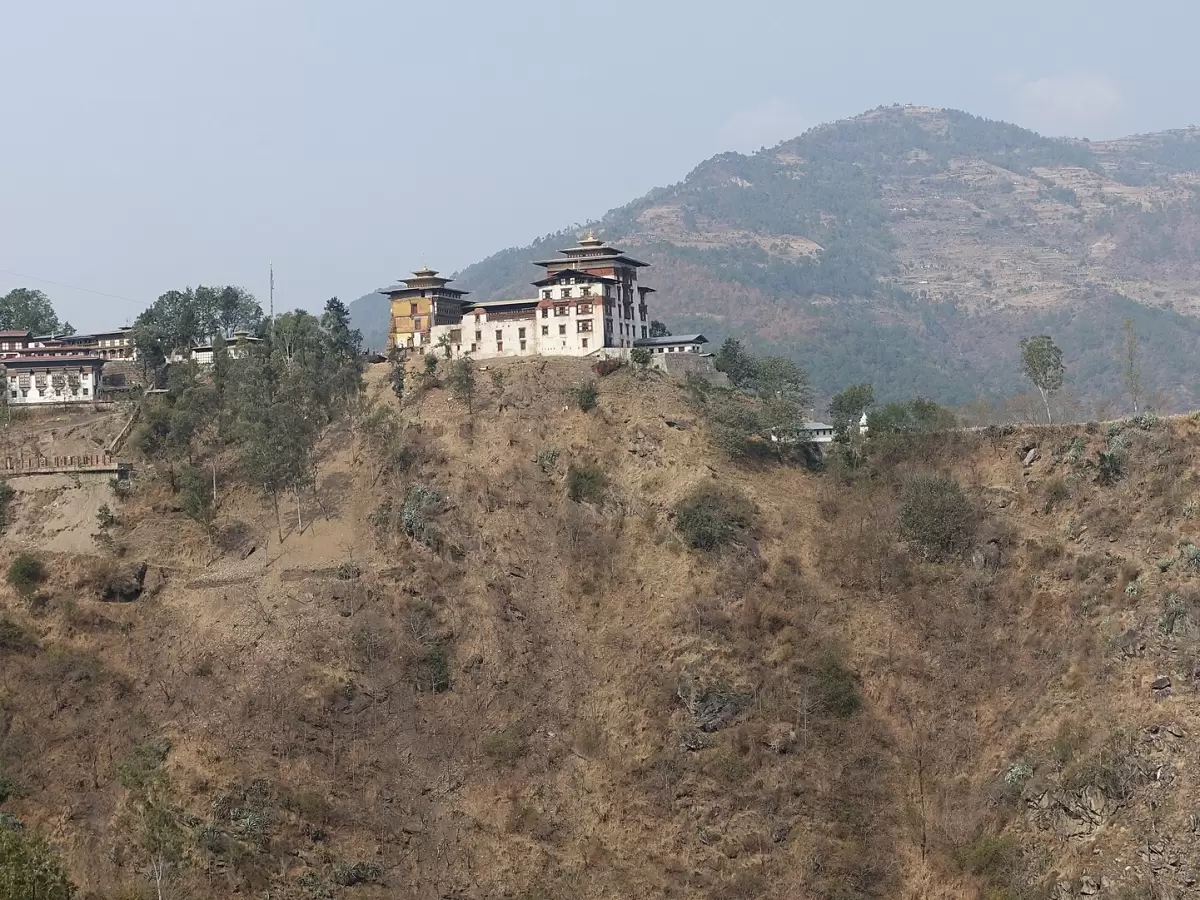
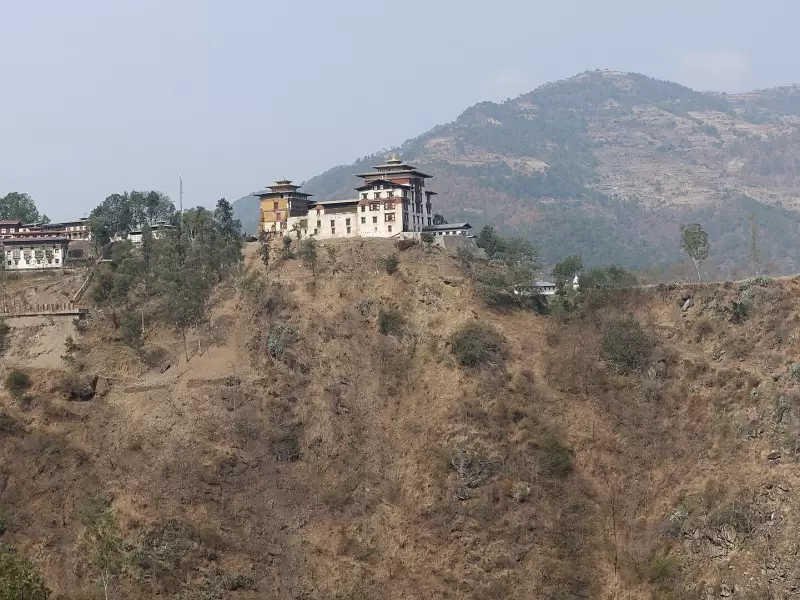
A last morning in the highlands, then down to Trashigang, where we visit the dzong on its spur above the river.
- Travel
- About 43 km, about 2 hours
- Altitude
- Trashigang, 1,160 m
- Overnight
- Trashigang
- Meals
- Breakfast, lunch, dinner
-
Day 6
Trashigang to Mongar
We drive west over Kori La to Mongar, stopping on the way at the turning for Drametse, the monastery where the drum dance seen at every tshechu was first performed.
- Travel
- 90 km, 3 to 4 hours
- Altitude
- Mongar, 1,600 m
- Overnight
- Mongar
- Meals
- Breakfast, lunch, dinner
-
Day 7
Over Thrumshing La to Bumthang
The longest drive of the trip and the finest: down to the Kuri Chhu, then up through cliffs and forest to Thrumshing La, the highest road pass on the highway, and down past Ura into Bumthang.
- Travel
- 198 km, 7 to 8 hours
- Altitude
- Bumthang, 2,600 m
- Overnight
- Bumthang
- Meals
- Breakfast, lunch, dinner
-
Day 8
The temples of Bumthang
We visit Jambay Lhakhang, one of the oldest temples in the country, walk on to Kurjey Lhakhang and cross the river to Tamshing Lhakhang.
- Altitude
- Bumthang, 2,600 m
- Overnight
- Bumthang
- Meals
- Breakfast, lunch, dinner
-
Day 9
Fly to Paro
The flight to Paro takes about 25 minutes. In the afternoon we visit the National Museum and Rinpung Dzong.
- Travel
- Flight of about 25 minutes
- Altitude
- Paro, 2,200 m
- Overnight
- Paro
- Meals
- Breakfast, lunch, dinner
-
Day 10
Hike to Tiger's Nest
We walk up to Taktsang in the morning, with a rest at the teahouse on the way, and visit Kyichu Lhakhang in the afternoon.
- Travel
- About 7 km on foot, 4 to 5 hours
- Altitude
- Tiger's Nest, 3,120 m
- Overnight
- Paro
- Meals
- Breakfast, lunch, dinner
-
Day 11
Depart from Paro
Your guide and driver take you to the airport after breakfast.
- Meals
- Breakfast
Prices
What the trip costs
| Group size | Price in US dollars |
|---|---|
| Solo traveller | US$3,505 |
| 2 travellers | US$2,835 per person |
| 3 or more travellers | US$2,635 per person |
Prices are per person in US dollars and include the Sustainable Development Fee and the visa fee. The domestic flight from Bumthang to Paro is not included: it is charged at the airline's fare.
This trip runs privately, on the dates of the festival. Festival dates are tentative until the year itself, so confirm them with us before you book flights.
Included
- Sustainable Development Fee (US$100 per person per night)
- Bhutan visa fee (US$40) and visa processing
- 3-star hotels, in a twin or double room
- All meals: breakfast, lunch and dinner
- Licensed English-speaking guide throughout
- Private vehicle and driver, including airport transfers
- Bottled water in the vehicle
Not included
- Entry fees for monuments and museums, about US$90 per person
- Flights to and from Paro
- Domestic flight from Bumthang to Paro
- Travel insurance
- Tips for your guide and driver
- Drinks, laundry and personal spending
- Single room supplement, US$35 per room per night
See it for yourself
Other trips that fit this festival
Any of these can be timed to the festival dates. Tell us which days you want to be there.
Cultural tour
Bhutan from East to West
Trashigang and the east, Bumthang, Trongsa and 1 more
Seventeen days across the whole country, out to Trashigang and the weaving villages of the east and back to Paro.
Where
Sheytemi, Merak, Trashigang
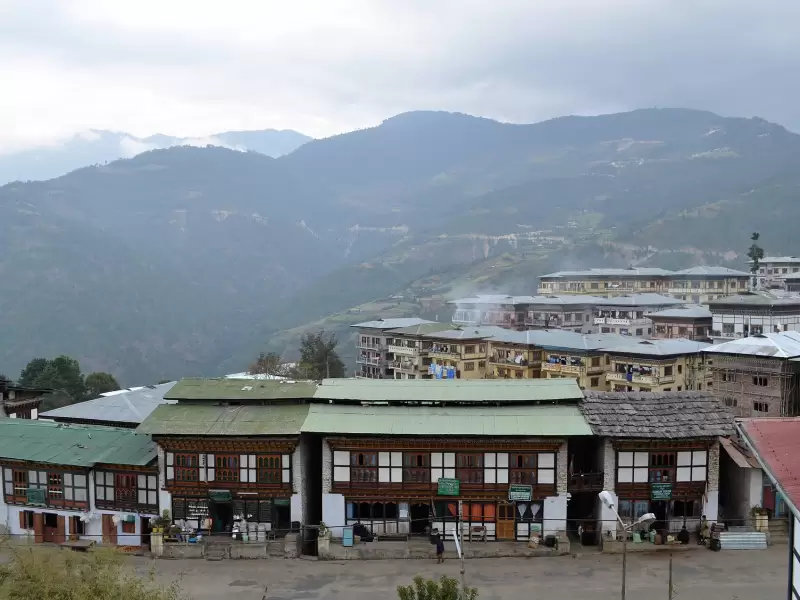
- Trashigang Merak is in the highlands to the east
Trashigang and the east
Weaving villages, pilgrim sites and long roads
Trashiyangtse
Chorten Kora, wintering cranes and wooden bowls
Mongar
Over Thrumshing La into the east
Questions
Asked about this festival
Are festival dates fixed?
Most are not. Bhutan’s festivals follow the lunar calendar, so they fall on different dates each year. The Department of Tourism and the Association of Bhutanese Tour Operators publish a list for each year and label it tentative, because dates can still move.
Our festival calendar shows the official dates and the day we last checked them. Confirm with us before you book flights. The Black-Necked Crane Festival is the exception: it is held on 11 November every year. If you are deciding between festivals, read how to choose a Bhutan festival.
Can I take photographs at a festival?
Yes, in the courtyard or festival ground, from where you are sitting. Do not step into the dance area or block other people’s view, and ask before photographing anyone at close range. Photography is never allowed inside temples and shrines.
A few rituals may not be photographed at all, among them the midnight Tercham at Jambay Lhakhang. Your guide will tell you. Drones are not permitted.
What should I wear to a festival?
A festival is a religious occasion and Bhutanese come in their best clothes. Wear long sleeves and full-length trousers or a long skirt, and take off your hat inside a dzong. You will be sitting on stone for hours, often in strong sun, so bring a cushion, a sun hat for outside the dzong, water and a warm layer for the early morning.
Enquire
Plan a trip around Rhododendron Week
Hotels near festival grounds fill early. Tell us your dates and we will check what is still available.