
Solo travel in Bhutan: what to expect
You can travel to Bhutan alone, and many people do. How it works with a guide, what it costs for one, and what the days and evenings are like.
You can travel to Bhutan on your own, and a good many of our guests do. There is no rule that you must be part of a group. What is different from solo travel elsewhere is that you are not left to yourself: you have a guide and a driver for the whole trip. This is what solo travel in Bhutan is like, and what it costs.
How it works
A trip for one is a private trip like any other. Your guide meets you at Paro airport, and from then until you leave you have your own guide, your own vehicle and driver, and a room to yourself. The route is the one you agreed with us, and you can change the pace as you go: stay longer where you like it, leave early where you do not.
Nobody else is added to your trip, and you are never put in a vehicle with strangers.
What it costs for one
More per person than for two, and it is worth understanding why. The guide, the vehicle and the driver cost the same whether they carry one guest or three, and a room for one costs nearly as much as a room for two. Those costs are shared when you travel with others and fall on you alone when you do not. The nightly Sustainable Development Fee and the visa are per person and do not change.
As an example, our four-day Bhutan Short Trip is US$1,080 for a solo traveller and US$785 each for two. A week in western Bhutan is US$2,125 for one and US$1,715 each for two. Every tour page shows the solo price, so there is nothing to work out. What a trip to Bhutan costs explains where the money goes.
Keeping the cost down
- Bring one friend. The step from one to two is the largest saving there is.
- Choose a shorter trip and fill it well. Five good days are better than eight thin ones.
- Come in winter or summer. Flights and hotels are easier to find, and the country is quieter. See the best time to visit.
- Stay in standard hotels. Comfortable three-star hotels are what our prices are based on. Upgrades add up quickly for one.
Is it lonely?
Less than you might think. A good guide is company as well as a source of knowledge, and over a week you will talk about far more than dzongs. Many solo guests tell us the conversations in the car were what they remember best.
There is also room to be alone. Tell your guide when you would like an hour to yourself in a temple courtyard or on a walk, and you will have it. Evenings are your own. The towns are small and safe, and you can stroll, find a café or simply read.
Ways to meet people
- Come for a festival. At a tshechu you sit among local families all day, and people talk to you.
- Eat in a farmhouse. A meal in someone’s kitchen is the quickest way into the country.
- Ask for local restaurants. Your guide can take you where Bhutanese people eat, in place of the hotel dining room.
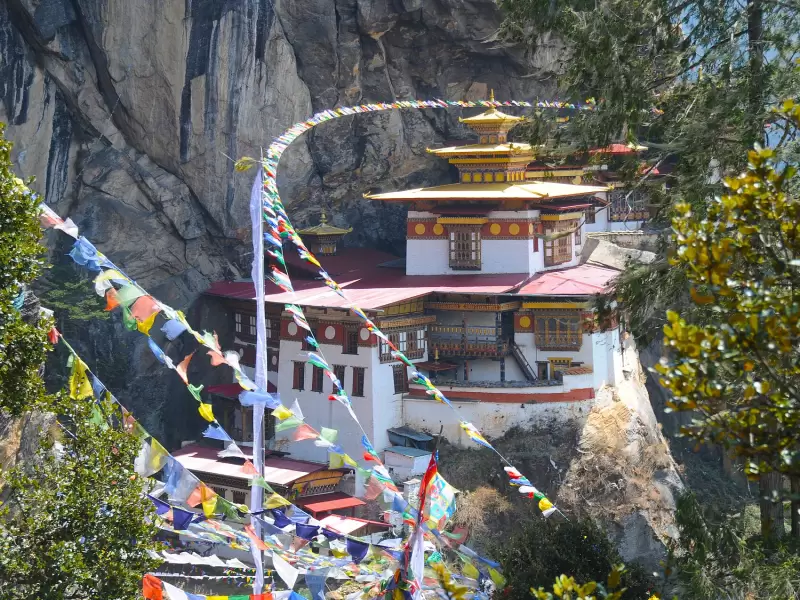
- Walk. On the trail to Tiger’s Nest you fall into step with other travellers and with pilgrims.
Is it safe on your own?
Very. Crime against visitors is rare, and you are with a guide by day. That holds for women travelling alone as much as for men. The real risks are altitude and mountain roads, and they are the same for one person as for ten. Our page Is Bhutan safe? covers them.
Trekking alone
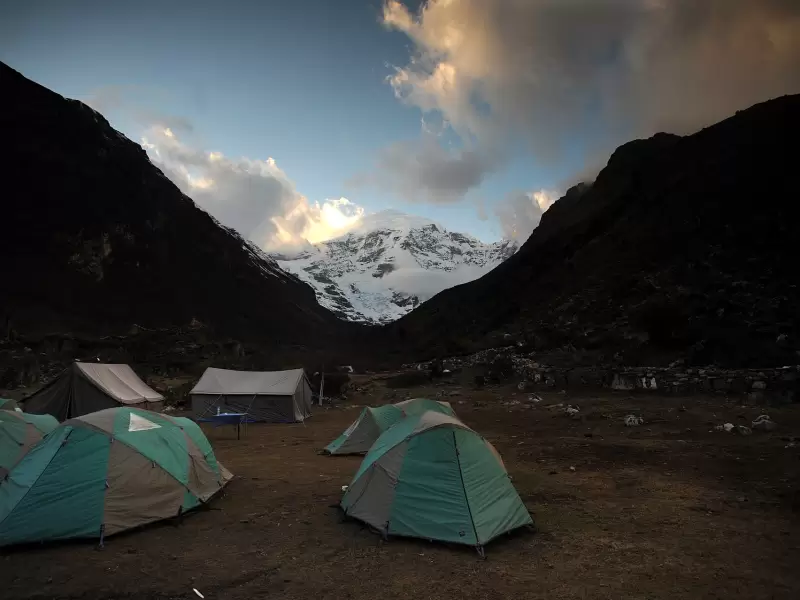
You can trek as a single guest, with a guide, a cook and the crew that every Bhutanese trek has. You will not walk alone on the trail. The price for one is high, because a whole crew goes for a single walker, so for treks especially it pays to bring a companion. The treks compared shows the choices.
Practical points
- Tell us about any medical condition when you book. Your guide is the person who will act if you are unwell.
- Take travel insurance, with medical evacuation.
- You can buy a local SIM card on arrival, and hotels have Wi-Fi, so keeping in touch with home is easy.
- Bring a book, and earplugs for the dogs that bark at night.
Planning a trip for one
Tell us your dates, how much walking you enjoy and what you most want to see. We will send a day-by-day plan and the price for one traveller. Start here, or write to us.