
Is Bhutan safe to visit?
Bhutan is one of the safest countries a traveller can visit. The real risks are altitude, mountain roads and weather, and each is manageable.
Yes. Bhutan is one of the safest countries a traveller can visit. Crime against visitors is rare, the country is politically stable, and you travel with a licensed guide and a driver who know the roads. The risks that do exist are the ordinary ones of a high mountain country, and this page sets them out plainly so that you can prepare.
Crime
Violent crime against visitors is almost unheard of. Petty theft is uncommon, though not unknown in the towns, so take the care you would take anywhere: keep your passport and money on you or in the hotel, and do not leave a camera on a café table. You will not be pestered by touts or hustled in the street. Towns are quiet and safe to walk in the evening.
Altitude
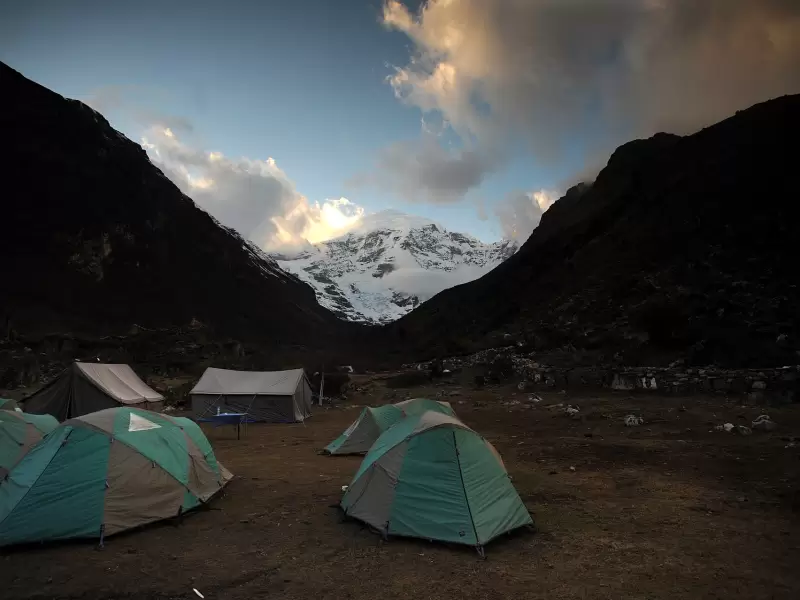
This is the risk that matters most. Paro and Thimphu stand at about 2,200 to 2,300 m, the road passes rise above 3,000 m, and treks go much higher. On a cultural tour most people feel no more than breathlessness on stairs for a day. On a trek, altitude sickness is a real possibility and has to be planned for with rest days and a slow ascent. Read our article on altitude in Bhutan, and speak to your doctor before you travel if you have a heart or lung condition.
Roads
Bhutan’s roads are narrow and wind without rest along the sides of valleys. Journeys are slow, 30 km in an hour is normal, and people who suffer from motion sickness should bring what works for them. In the monsoon, from June to September, landslips can block a road for hours. Your driver does this for a living and knows when to wait. Visitors do not drive themselves.
Weather and flights
Paro airport sits in a deep valley and is used only in daylight and clear weather. Flights are sometimes delayed, occasionally to the next day. It is an inconvenience, not a danger: the rule exists because the airline will not take the risk. Leave a night between your flight out of Paro and any long-haul connection. More in getting to Bhutan.
Dogs
Every town has street dogs. By day they sleep; at night they bark, so light sleepers should pack earplugs. Most are harmless, but do not pet them. Rabies exists in Bhutan, and any bite or scratch needs medical attention the same day. Tell your guide at once.
Food and water
Do not drink water from the tap. Bottled or filtered water is provided throughout a tour. Food in hotels and the restaurants your guide chooses is safe; stomach upsets happen, as they do on any journey, but are not common. The local food is very hot, and you can ask for it mild: see what to eat in Bhutan.
Health care
Thimphu has the national referral hospital, and every district has a hospital for ordinary needs. Outside the capital, facilities are basic, and anything serious means a transfer to Thimphu or evacuation abroad. For that reason we strongly advise travel insurance that covers medical evacuation, and on a trek helicopter rescue. Bring enough of any regular medicine for the whole trip, in its original packaging.
Women travelling alone
Bhutan is among the easiest countries in Asia for a woman on her own. Harassment in the street is rare, women run many of the country’s businesses and households, and you are in the company of a guide by day. More in our piece on solo travel in Bhutan.
LGBTQ+ travellers
Bhutan removed the law against same-sex relations from its penal code in 2021. Society is conservative and reserved in public for everyone: couples of any kind do not show much affection in the street. Visitors report being received with courtesy.
Laws worth knowing
- Smoking is not allowed in public places. Ask your guide where it is permitted.
- Drug laws are strict and are enforced.
- Antiques may not be taken out of the country. Buy new work, and keep the receipt.
- Photography is not allowed inside temples and dzong shrine rooms. Your guide will say where the line is.
- Dress modestly for dzongs and temples: long sleeves, long trousers or skirt. See our page on etiquette and dress.
Natural hazards
Bhutan lies in an earthquake zone, as the whole Himalaya does. Strong earthquakes are rare. In the monsoon, leeches are active in the lower forests, a nuisance for walkers, not a danger. The sun is strong at altitude in every season: wear a hat and sunscreen.
Why a guide makes the difference
Most of what goes wrong on a journey goes wrong because a traveller is alone and does not know the place. In Bhutan you are not alone. Your guide knows which roads are open, which hospital is nearest and whom to call, and is with you from the airport to the airport. That, more than any statistic, is why Bhutan is as safe as it is.
Check your own government’s travel advice before you book, and ask us anything this page has not answered.