

Bhutan is closer to Australia than to most of the countries its visitors come from, and the journey is simpler than it looks on a map: one flight to South-East Asia, a night there, and a morning flight into Paro. This page covers what Australian travellers need to know to plan it.
Getting there from Australia
Only Drukair and Bhutan Airlines fly to Paro. Of the cities they serve, Bangkok and Singapore are the natural connections from Sydney, Melbourne, Brisbane and Perth. Delhi and Kathmandu also have flights to Paro, and Kathmandu is worth a thought if you want Nepal on the same trip. Every city is listed on our page about getting to Bhutan.
Flights to Paro leave early in the day, so you will need a night in Bangkok or Singapore on the way in. Keep a night there on the way back as well: Paro is a daylight-only airport among mountains, and weather sometimes holds a flight until the next morning.
Visa and the nightly fee
Australians need a visa for Bhutan, arranged before travel. It costs US$40, and we apply for it when you book, using a scan of your passport and a photograph. The passport needs six months left after the trip. On top of that is the Sustainable Development Fee: US$100 per adult for each night, US$50 for children aged 6 to 11, nothing for younger children. Our prices are in US dollars and include both. To see where the rest of the money goes, read what a trip to Bhutan costs.
Time difference
Bhutan is four hours behind Sydney and Melbourne, five during daylight saving, and two hours behind Perth. You will wake early for the first day or two, which suits Bhutan: mornings are when the mountains are clear.
Trekking, and when to come
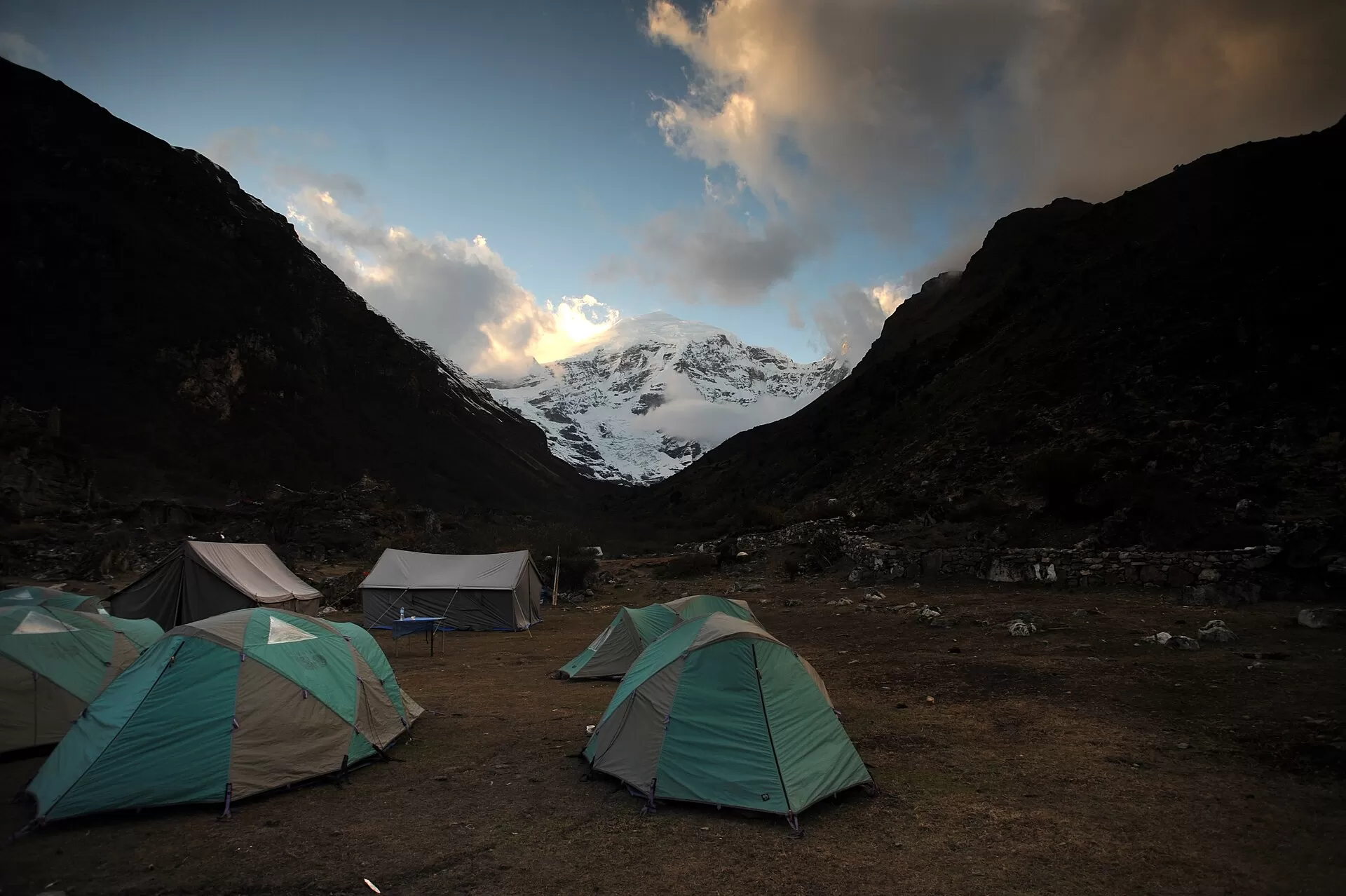
Many of our Australian enquiries are about walking. The trekking seasons are April to early June and late September to November, the opposite of the monsoon. For a first trek the Druk Path is the usual choice; the Jomolhari Trek goes to the foot of a 7,000 m peak and asks more of you. If you live near sea level, read our note on altitude in Bhutan first. The September and October school holidays fall in the best of the autumn, and Easter in the spring.
How long to stay
Seven to twelve days is usual. A week covers the western valleys, as on our 7-day tour; nine days reach the centre of the country on the Heart of the Himalayas journey.
Money and practical things
Change some money into US dollars before you leave, in clean notes: they are the easiest currency to change in Bhutan. Australian plugs do not fit Bhutanese sockets, so bring an adaptor; the voltage is the same as at home. Travel insurance is no longer a visa condition, but for a trek make sure yours covers the altitude and a helicopter evacuation.
Travelling from somewhere else?
We have written the same kind of page for travellers from the USA, the UK, Singapore, Thailand, Malaysia, Germany, France, India and Bangladesh and the Maldives.
Ask us
Tell us your dates and where you are flying from, and we will reply within 24 hours with a route, an outline of the days and a price. Send an enquiry, or start from a tailor-made trip.
Visa and fee checked against the Department of Tourism on 12 October 2026, and the cities with flights to Paro against Drukair on 3 October 2026. Airline timetables change with the season, so check the days before you book.