
Altitude in Bhutan: what to expect and how to prepare
How high Bhutan's valleys, passes and treks are, how altitude is likely to affect you, and the simple rules that keep it from spoiling a trip.
Bhutan is a mountain country, and people often ask whether the altitude will be a problem. On a cultural tour, for most people, it is a minor one: a little breathlessness on the stairs, perhaps a light headache on the first evening. On a trek it needs to be taken seriously. This article sets out the heights involved and what to do about them.
We are a tour operator, not doctors. If you have a heart or lung condition, are pregnant, or have had altitude sickness before, talk to your own doctor before you book.
How high is Bhutan?
| Place | Altitude | Notes |
|---|---|---|
| Punakha | 1,242 m | The lowest valley on most tours |
| Paro | 2,200 m | Where you land |
| Thimphu | 2,334 m | |
| Bumthang | 2,600 m | |
| Phobjikha | 3,000 m | The highest place most tours sleep |
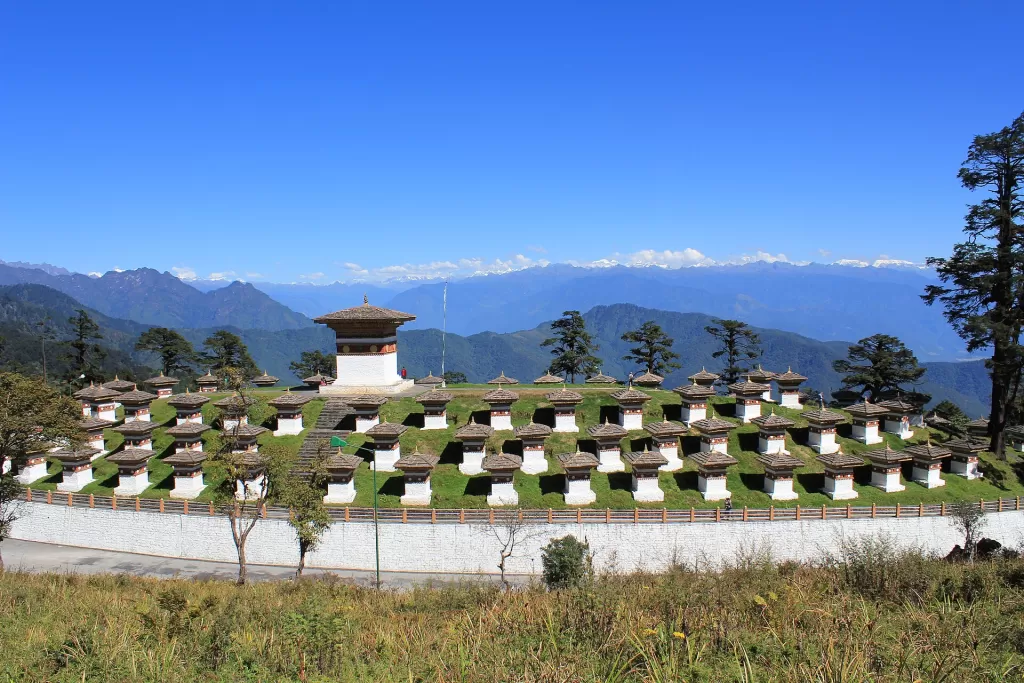
| Dochu La | 3,100 m | Road pass, a short stop |
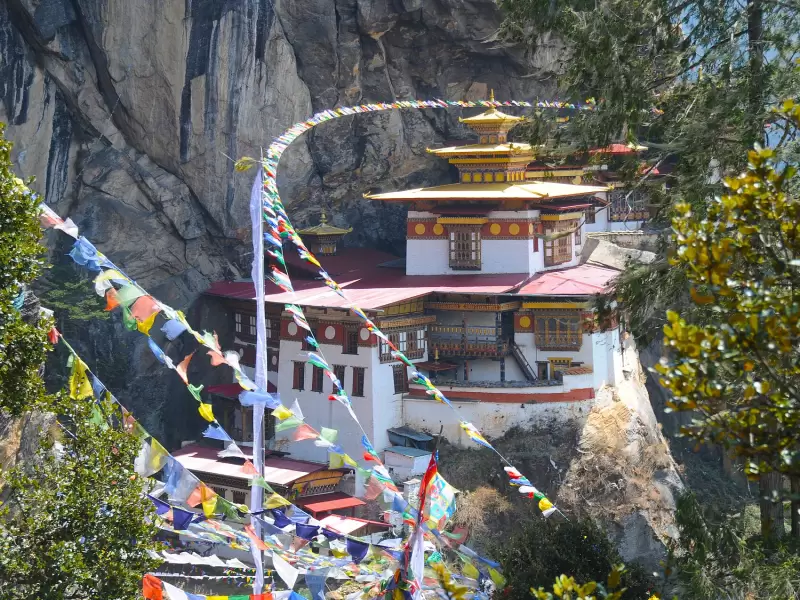
| Tiger’s Nest | 3,120 m | Reached on foot |
| Chele La | 3,988 m | Road pass, a short stop |
| Jomolhari base camp | 4,080 m | |
| Druk Path, highest camp | 4,110 m | |
| Yeli La, Jomolhari trek | 4,930 m | |
| Sinche La, Laya–Gasa trek | 5,005 m |
For comparison, altitude can begin to affect people above about 2,500 m. So the towns you sleep in on a cultural tour sit just below or around the level at which the body starts to notice.
What altitude does
Higher up, each breath contains less oxygen. The body adapts by breathing faster and, over days, by making more red blood cells. While it adapts you may notice:
- Getting out of breath sooner than usual on stairs and hills
- A mild headache
- Poorer sleep for the first night or two
- Less appetite
- Feeling more tired than the day deserves
These are common and usually pass within a day or two. They are not a sign of being unfit. Fitness does not protect against altitude, and nobody can predict who will feel it.
Altitude sickness proper is when those symptoms become stronger: a headache that does not ease, nausea, dizziness, unusual exhaustion. The serious forms, which affect the lungs or the brain, are rare, and the risk lies at trekking altitudes far more than on valley tours. The warning signs are breathlessness when resting, a wet cough, confusion or loss of balance. Anyone showing them must go down at once.
On a cultural tour
You land at 2,200 m, which is a gentle introduction. Our itineraries are arranged so that the first day is easy, and the walk to Tiger’s Nest usually comes at the end, after several days of adjustment. The high road passes are visited for half an hour and left behind.
What helps:
- Take the first day slowly, however well you feel.
- Drink plenty of water, two to three litres a day. The air is dry.
- Go easy on alcohol for the first two days.
- Eat normally, and do not skip meals.
- Walk at a pace at which you can hold a conversation.
- Tell your guide if you have a headache or feel sick. It is useful information, not a complaint.
Phobjikha, at 3,000 m, is where people most often notice a poor night’s sleep. It comes after three or four nights lower down, which is the right order.
On a trek
Trekking altitudes are a different matter, and the rules are stricter.
- Go up slowly. Every trek we run starts with two nights in Paro and a walk to Tiger’s Nest. Longer treks have rest days built in, such as the day at Jomolhari base camp.
- Climb high, sleep low. On a rest day, a walk to a higher point and back helps the body adapt.
- Never go higher with symptoms. If you have a headache and nausea at one camp, you do not climb to the next until they have gone.
- If you are getting worse, go down. Descent is the cure, and a few hundred metres is often enough. Your guide’s decision on this is final.
- Be honest. People hide symptoms because they do not want to hold up the group. On a private trek there is no group to hold up.
Some trekkers take acetazolamide, sold as Diamox, to help them adjust. Whether it is right for you is a question for your doctor, well before you travel.
For any trek, your travel insurance must cover walking at the highest altitude on your route and evacuation by helicopter. On the long northern treks, rescue depends on the weather and can take time.
Children and older travellers
Age by itself is not a barrier at valley altitudes. Older travellers should have a check-up if they have any heart or lung condition. Small children adapt much as adults do, but cannot always say how they feel, so watch for a child who is unusually quiet, off their food or unsettled at night. Ask your doctor before bringing a baby or toddler to altitude.
If you want to stay low
If altitude worries you, it is easy to plan round it. A trip based on Paro, Thimphu and Punakha never sleeps above 2,350 m, and Tiger’s Nest can be seen from the teahouse halfway up, or from the valley floor. Tell us, and we will plan the trip that way. The six-day Bhutan Signature Journey is a good place to start.